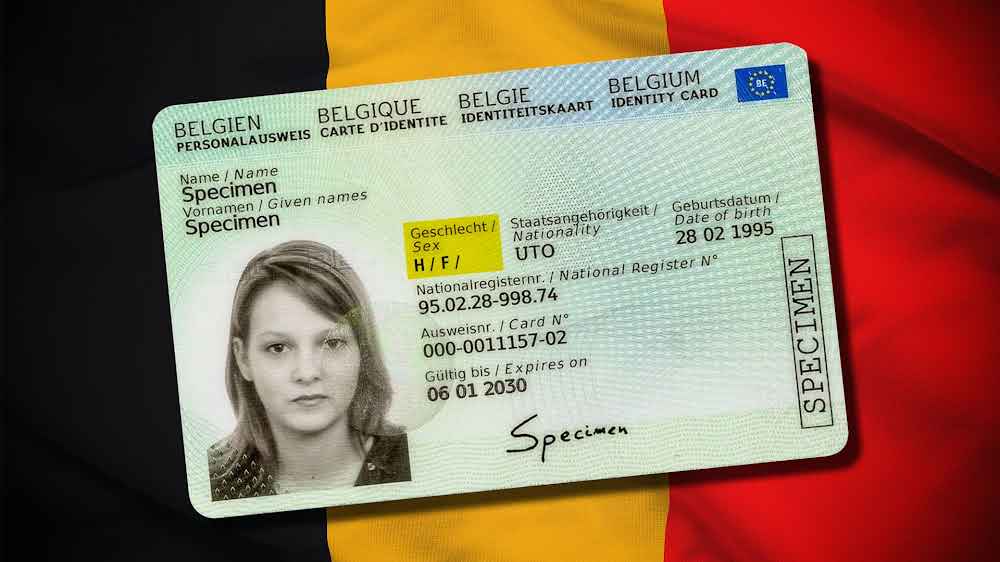
For the first time in Belgium, non-binary individuals will soon be able to request an identity card without any mention of gender. Hailed as a symbolic step forward, the reform is already raising concerns among LGBTQIA+ advocates.
Interior Minister Bernard Quintin (MR) announced the introduction of two types of ID cards. By default, Belgians will receive a card marked “M” or “F”. But upon formal request, it will be possible to obtain a genderless version.
While many see this as a step toward visibility for people outside the binary, LGBTQIA+ organisations remain cautious. “This is not what we asked for,” says Erynn Robert from Prisme, the federation of queer associations in Wallonia. Çavaria, its Flemish counterpart, adds that “nothing changes” for non-binary people, apart from having to “make their gender invisible”.
Critics highlight that the national registry number still reveals the gender assigned at birth, and that the reform could expose non-binary individuals to risks, especially when traveling abroad. Moreover, only offering the neutral card upon request could unintentionally create a new form of outing.
Prisme also regrets the lack of consultation and underlines that this reform falls short of addressing the 2019 Constitutional Court ruling, which challenged the binary-only approach in official documents.
A symbolic breakthrough, yes—but perhaps not yet the structural change many had hoped for.
Vous aimerez aussi
-

Queens of the South: When Nice Turns Carnival into Queer Celebration
On 27 February 2026, Place Masséna in Nice will shimmer a little brighter. Lou Queernaval,
-
Safer on Paper, Not in Reality”: ILGA Warns of Rising Anti-LGBTQIA+ Violence in Belgium
Belgium still ranks among Europe’s most protective countries for LGBTQIA+ people on paper – yet
-

“March Is for the Queers”: Why You Should Put Queer March Ghent 2026 on Your Radar
Every March, Queer March turns Ghent into a month-long celebration of queer life, resistance, and
-
Les Peaux de Minuit: A BIPOC Drag Collective Shaking Up Brussels Nights
Brussels drag is changing — and it’s Black, brown, queer and unapologetic. Founded in January 2023, Les
-

Ramadan, Faith and Queerness: Why This Holy Month Also Belongs to LGBT+ Muslims
When Ramadan begins, much of the media talks about food, fasting and “community values” –
 Français de Belgique
  English
  Nederlands (België)