
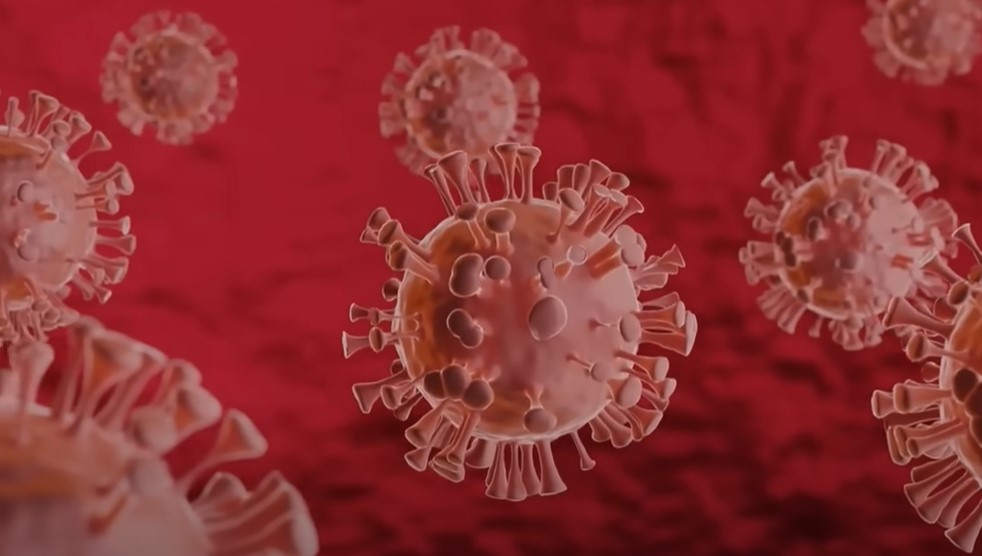
Since the start of the war in Ukraine in February 2022, the Russian army has experienced an unprecedented explosion in the number of HIV/AIDS cases among its soldiers. This public health crisis is explained by the accumulation of risk factors, which are exacerbated by frontline conditions and the Kremlin’s political decisions.
An Exponential Increase in Cases
Several independent reports concur: the number of HIV cases within the Russian military increased thirteen-fold by the end of 2022 and by twenty-fold by the end of 2024—a total rise of 2,000% since the beginning of the conflict. Experts now refer to this as an explosion or an “epidemic wave.”
Aggravating Factors on the Front Lines
- Unprotected Sexual Encounters: The extreme circumstances at the front encourage risky behaviors, including unprotected sexual relations between soldiers or during periods of leave.
- Drug Use and Needle Sharing: Injecting drugs to cope with the violence and stress of war leads to needle sharing, a major cause of transmission.
- Reuse of Medical Equipment: Resource shortages result in the repeated use of syringes and needles in field hospitals, further amplifying the spread.
A Failing Healthcare System
- Limited Access to Treatment: Less than half of HIV-positive individuals receive regular antiretroviral treatment. Shortages have increased due to the war and budget cuts.
- Stigma and Repression: The Kremlin’s ideology, which promotes “traditional values” and represses the LGBTQIA+ community, significantly hinders prevention and sexual health education. The banning of international NGOs and the criminalization of activist groups have worsened the epidemic.
Predictable Consequences
Experts agree that the demographic and economic impact of this HIV/AIDS wave may ultimately surpass the Russian losses on the Ukrainian battlefield. The epidemic affects not only the army but also civilians (through relationships during leave), posing a long-term threat to public health.
A Structural Problem
Even before the war, Russia was among the five countries with the highest annual rates of new HIV infections—over a million people living with the virus, amounting to nearly 1% of the total population. The war has only accelerated an already alarming trend.
In summary, the war in Ukraine has magnified a simmering HIV/AIDS epidemic in Russia. The living conditions of soldiers, lack of resources, and the Kremlin’s repressive policies block prevention and treatment, paving the way for a deep, lasting public health crisis throughout Russian society.
Vous aimerez aussi
-

Queens of the South: When Nice Turns Carnival into Queer Celebration
On 27 February 2026, Place Masséna in Nice will shimmer a little brighter. Lou Queernaval,
-

Cœur de pirate at AB: the runaway pop of a queer icon lands in Brussels
A major figure in Francophone pop and an outspoken voice in the queer community, Cœur de pirate
-
Safer on Paper, Not in Reality”: ILGA Warns of Rising Anti-LGBTQIA+ Violence in Belgium
Belgium still ranks among Europe’s most protective countries for LGBTQIA+ people on paper – yet
-

“March Is for the Queers”: Why You Should Put Queer March Ghent 2026 on Your Radar
Every March, Queer March turns Ghent into a month-long celebration of queer life, resistance, and
-

Six Charming Princes for Three Castles: LGBT Couples Rebuilding France’s Fairy‑Tale Landscape
First, there were princesses in towers waiting for some vaguely straight prince on a horse.
 Français de Belgique
  English
  Nederlands (België)