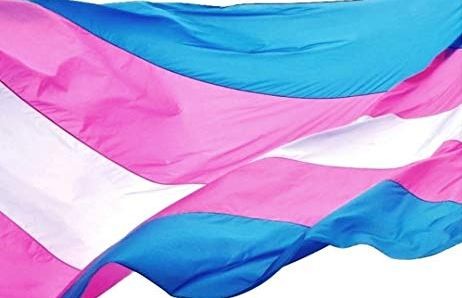
In the United States, the Trump administration’s latest move against trans rights is hitting universities where it hurts most — their funding. A new “Compact for Academic Excellence” demands that schools comply with an ideology that denies the existence of transgender people, defining “male” and “female” solely through “reproductive function and biological processes.” In short: sign away your inclusivity, or lose your money.
At first glance, this might seem like distant news — another episode in the ongoing U.S. culture war. But for queer people everywhere, including here in Brussels, it’s a stark reminder that our rights are never guaranteed. The struggle for visibility, dignity, and self-definition transcends borders. What happens in Washington can ripple through classrooms in Europe, through funding policies, and even through the words we use to describe ourselves.
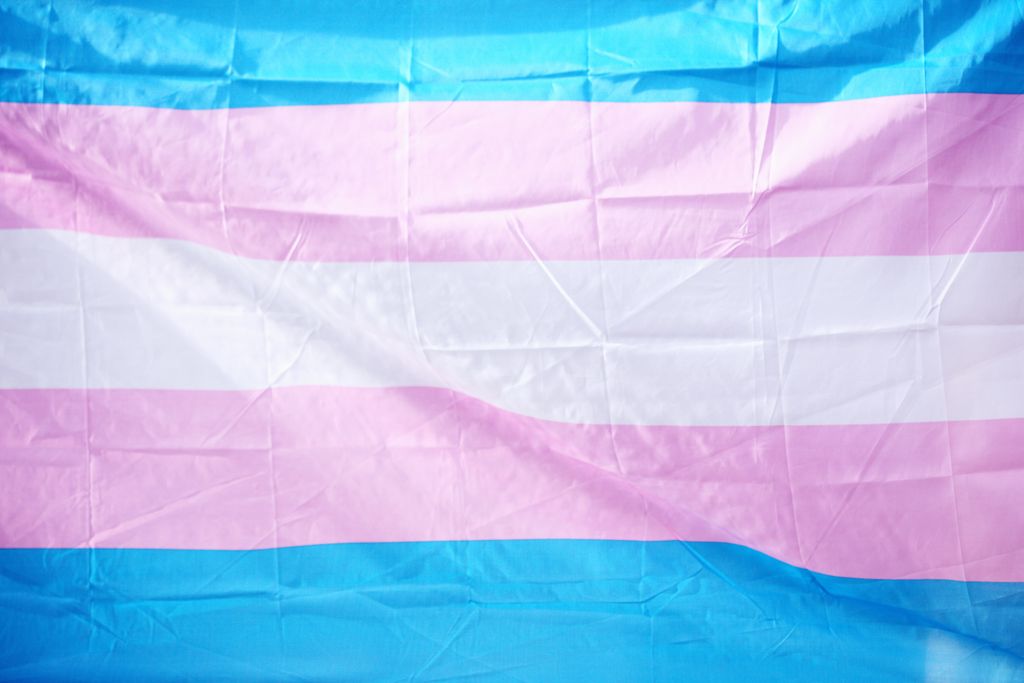
We spoke to Nora, a trans student from Belgium currently studying abroad, who feels the impact deeply. “It’s not just about America,” she says. “When a government says universities should stop recognizing trans students, it sends a message to the world: that trans lives are negotiable. And that’s terrifying.”
Universities — those spaces meant for curiosity, debate, and the celebration of difference — are now finding themselves at the crossroads of ideology and survival. The idea of “academic freedom” is being twisted into a test of obedience. When political power starts deciding who counts as a man or a woman, it stops being about education altogether. It becomes about control — about shrinking the world instead of expanding it.
And yet, amidst the fear, there’s resilience. Across campuses in the U.S. and Europe, students and professors are organizing, building networks of solidarity that defy national borders. “You can’t unlearn humanity,” says Nora with a smile. “We exist — and we’re not going anywhere.”
Vous aimerez aussi
-

Queens of the South: When Nice Turns Carnival into Queer Celebration
On 27 February 2026, Place Masséna in Nice will shimmer a little brighter. Lou Queernaval,
-

Cœur de pirate at AB: the runaway pop of a queer icon lands in Brussels
A major figure in Francophone pop and an outspoken voice in the queer community, Cœur de pirate
-

Safer on Paper, Not in Reality”: ILGA Warns of Rising Anti-LGBTQIA+ Violence in Belgium
Belgium still ranks among Europe’s most protective countries for LGBTQIA+ people on paper – yet
-

“March Is for the Queers”: Why You Should Put Queer March Ghent 2026 on Your Radar
Every March, Queer March turns Ghent into a month-long celebration of queer life, resistance, and
-

Six Charming Princes for Three Castles: LGBT Couples Rebuilding France’s Fairy‑Tale Landscape
First, there were princesses in towers waiting for some vaguely straight prince on a horse.
 Français de Belgique
  English
  Nederlands (België)