
Every June, rainbow flags bloom across office lobbies and corporate LinkedIn feeds. But once Pride month fades, what remains? According to a recent IFOP survey, while 91% of French employees agree that LGBTQ+ people face difficulties of inclusion, only a fraction feel their workplace truly reflects the values displayed in those colourful campaigns.
Conducted among a representative sample of 1,001 private-sector employees, the study reveals a sobering picture: 84% believe LGBTQ+ people still experience exclusion at work, a number that rises to 87% among employees in large companies. For younger workers and those who identify as LGBTQ+ themselves, the feeling is even stronger — nearly one in three say these difficulties occur “often.”
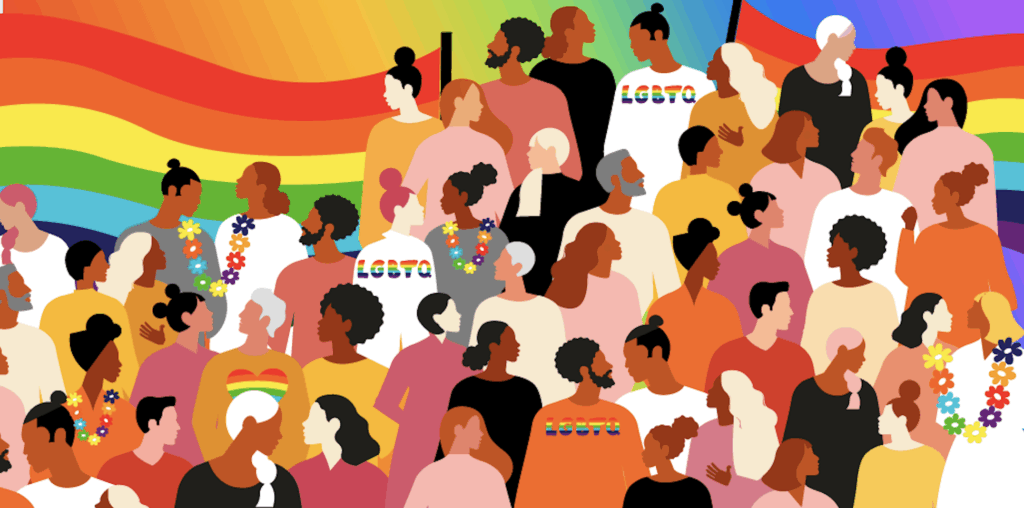
Behind these numbers lies a crucial question: are companies truly creating safer, more inclusive environments, or simply managing their public image? Inclusion cannot stop at visibility. It means building spaces where everyone can exist without fear of judgement, where difference is not tolerated but valued, and where queer people are present at every level of decision-making.
The survey also highlights that change doesn’t rest on companies alone. For 77% of respondents, associations have a key role to play, alongside public institutions and local governments. Still, 70% of all employees — and 78% of LGBTQ+ respondents — believe that companies carry a special responsibility in shaping inclusive cultures.
True progress, then, depends on everyday actions: inclusive language, fair policies, respectful listening, and the courage to challenge bias. Pride doesn’t end in July — it continues in team meetings, recruitment decisions, and coffee breaks where people feel safe to be themselves.
Inclusion isn’t a marketing strategy; it’s a shared promise. When workplaces move beyond symbolic gestures to embrace real diversity, everyone wins — not only LGBTQ+ people, but entire teams that learn to thrive through authenticity and trust. That’s how we turn visibility into belonging.
More info: www.ifop.com
Vous aimerez aussi
-

Queens of the South: When Nice Turns Carnival into Queer Celebration
On 27 February 2026, Place Masséna in Nice will shimmer a little brighter. Lou Queernaval,
-

Cœur de pirate at AB: the runaway pop of a queer icon lands in Brussels
A major figure in Francophone pop and an outspoken voice in the queer community, Cœur de pirate
-
Safer on Paper, Not in Reality”: ILGA Warns of Rising Anti-LGBTQIA+ Violence in Belgium
Belgium still ranks among Europe’s most protective countries for LGBTQIA+ people on paper – yet
-

“March Is for the Queers”: Why You Should Put Queer March Ghent 2026 on Your Radar
Every March, Queer March turns Ghent into a month-long celebration of queer life, resistance, and
-

Six Charming Princes for Three Castles: LGBT Couples Rebuilding France’s Fairy‑Tale Landscape
First, there were princesses in towers waiting for some vaguely straight prince on a horse.
 Français de Belgique
  English
  Nederlands (België)