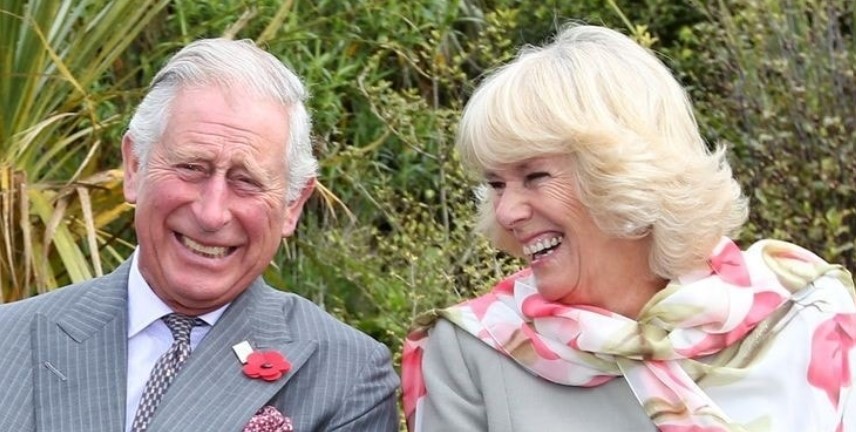
King Charles III, as the ceremonial head of the United Kingdom’s armed forces, inaugurated the country’s first national memorial dedicated to LGBT+ service members on Monday, marking a major milestone in both military and LGBTQ+ history. The bronze monument, named “An Opened Letter,” was unveiled at the National Memorial Arboretum in central England during a ceremony attended by both active personnel and veterans.
Historic Context and Ongoing Discrimination
Same-sex relationships were decriminalized in England and Wales in 1967, yet the ban on gay, bisexual, or transgender individuals serving in the military continued until the start of the millennium. During this period, thousands of service members—whether gay, lesbian, bisexual, or transgender, or simply suspected of being so—faced dismissal, the loss of pensions, the stripping of their medals, imprisonment in some cases, and even forced medical treatment in military hospitals.
The European Court of Human Rights ultimately forced the British government to end the discriminatory policy in 2000. But the scars remained: many affected veterans lived with shame and significant psychological trauma for decades. In 2021, the UK Ministry of Defence launched a program allowing those wronged by the ban to reclaim lost medals.
The “An Opened Letter” Monument
Designed as a crumpled bronze sheet, “An Opened Letter” features inscriptions of sentences drawn from genuine letters—often used historically as incriminating evidence against LGBT+ personnel. King Charles III, wearing a grey suit, laid a wreath at the base of the monument during the dedication, surrounded by serving soldiers, veterans, and campaigners. The project was realized following years of activism and responds directly to recommendations from the independent “Etherton Review,” a comprehensive inquiry into the treatment of LGBT+ veterans and personnel affected by the ban.
Acknowledgment, Apologies, and Reparations
In December 2023, then-Prime Minister Rishi Sunak issued a formal apology in Parliament for the historic ban, calling it “an appalling failure of the British state.” The Etherton Review, published the same year, recommended a public memorial and proposed financial compensation for affected individuals. LGBT+ veterans can now claim up to £70,000 (roughly €80,000) in compensation for the careers and dignity lost to discrimination.
Community Impact and Statements
For many, the inauguration of the memorial represented both recognition and redress. LGBT+ veterans and spokespeople from the charity “Fighting with Pride” described the monument as a profound step in honoring the hardship and service of LGBT+ troops. Brigadier Clare Phillips, herself a gay woman with 30 years in the British Army, stated during the ceremony that her own journey—from secrecy and fear to pride and openness—epitomized the change
Vous aimerez aussi
-
Queens of the South: When Nice Turns Carnival into Queer Celebration
On 27 February 2026, Place Masséna in Nice will shimmer a little brighter. Lou Queernaval,
-

Cœur de pirate at AB: the runaway pop of a queer icon lands in Brussels
A major figure in Francophone pop and an outspoken voice in the queer community, Cœur de pirate
-

When the Unseen History: [IN]VISIBLE Festival Turns KBR into an Augmented Reality Lab
From 25 to 27 March 2026, the Royal Library of Belgium (KBR) hosts [IN]VISIBLE Festival:
-
Safer on Paper, Not in Reality”: ILGA Warns of Rising Anti-LGBTQIA+ Violence in Belgium
Belgium still ranks among Europe’s most protective countries for LGBTQIA+ people on paper – yet
-
“March Is for the Queers”: Why You Should Put Queer March Ghent 2026 on Your Radar
Every March, Queer March turns Ghent into a month-long celebration of queer life, resistance, and
 Français de Belgique
  English
  Nederlands (België)