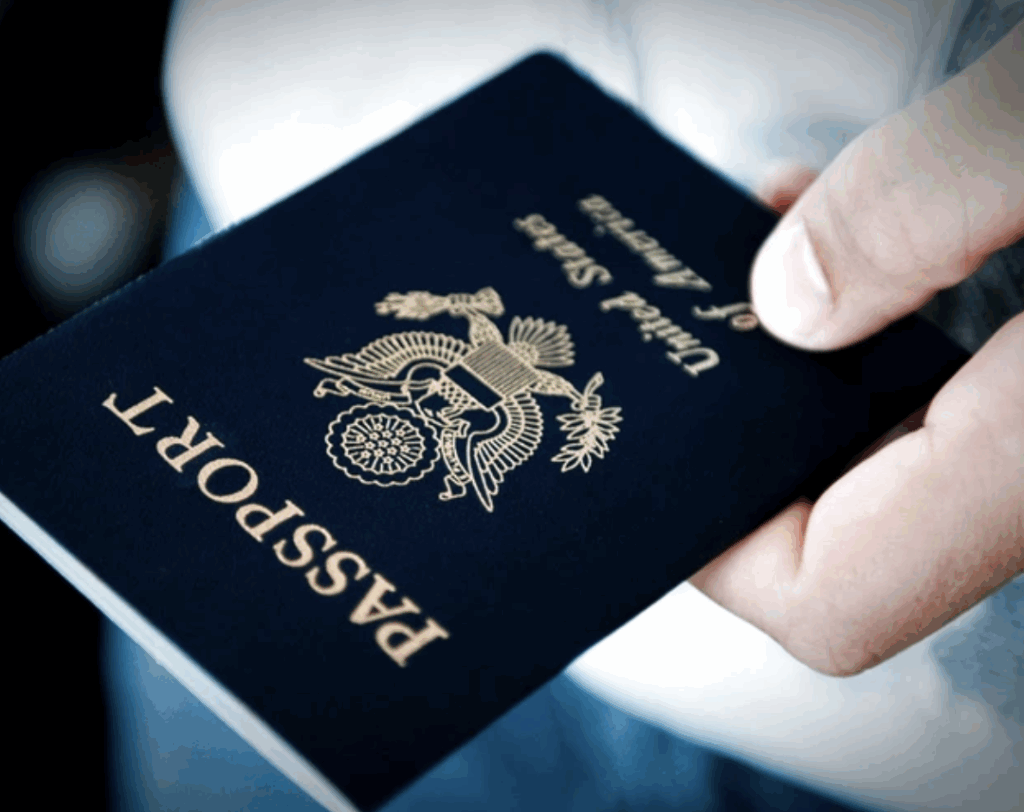
From Brussels, the U.S. can feel both distant and strangely close — especially when decisions there ripple across global queer communities. Last week, one of those ripples hit hard: the U.S. Supreme Court allowed President Trump’s administration to enforce a rule requiring passports to list only the gender assigned at birth.
It’s a temporary decision while Orr v. Trump continues, but its impact is immediate. The ruling overturns lower-court protections and clears the path for what could become a permanent restriction — one that many in Europe thought the U.S. had long moved past.
To understand the stakes, KET spoke with Lea, a Brussels-based American activist who watches these developments from abroad with a mix of worry and déjà vu. "A passport isn’t just a document,” she says. "When the state misgenders you, it follows you across every border you cross. It’s not symbolic — it’s dangerous.”
The Court’s concurring justices insisted the rule merely states a “historical fact,” saying it “no more offends equal protection principles than displaying their country of birth.” Lea doesn’t buy it. "Your birthplace doesn’t get you harassed at airport security,” she says. "But being forcibly outed as trans absolutely can.”
The ACLU, representing seven trans and nonbinary plaintiffs, delivered a clear message: "This decision undermines the freedom of transgender, nonbinary, and intersex people to have our IDs reflect who we are… This fight isn’t over.”
Justice Ketanji Brown Jackson, joined by Justices Kagan and Sotomayor, issued a sharp dissent: "This Court has once again paved the way for the immediate infliction of injury without adequate justification."
For many in Europe — including countries still wrestling with their own ID laws — the ruling is a reminder that progress is never linear. Rights we take for granted can vanish; debates we think resolved can return overnight.
But Lea refuses despair. "Queer people have survived every attempt to erase us,” she says. "A government can change a marker, but it can’t change who we are or how we care for each other.”
From Brussels to the U.S., the message is clear: borders may restrict documents, but not identity.
Vous aimerez aussi
-

Queens of the South: When Nice Turns Carnival into Queer Celebration
On 27 February 2026, Place Masséna in Nice will shimmer a little brighter. Lou Queernaval,
-

Cœur de pirate at AB: the runaway pop of a queer icon lands in Brussels
A major figure in Francophone pop and an outspoken voice in the queer community, Cœur de pirate
-
Safer on Paper, Not in Reality”: ILGA Warns of Rising Anti-LGBTQIA+ Violence in Belgium
Belgium still ranks among Europe’s most protective countries for LGBTQIA+ people on paper – yet
-

“March Is for the Queers”: Why You Should Put Queer March Ghent 2026 on Your Radar
Every March, Queer March turns Ghent into a month-long celebration of queer life, resistance, and
-

Six Charming Princes for Three Castles: LGBT Couples Rebuilding France’s Fairy‑Tale Landscape
First, there were princesses in towers waiting for some vaguely straight prince on a horse.
 Français de Belgique
  English
  Nederlands (België)