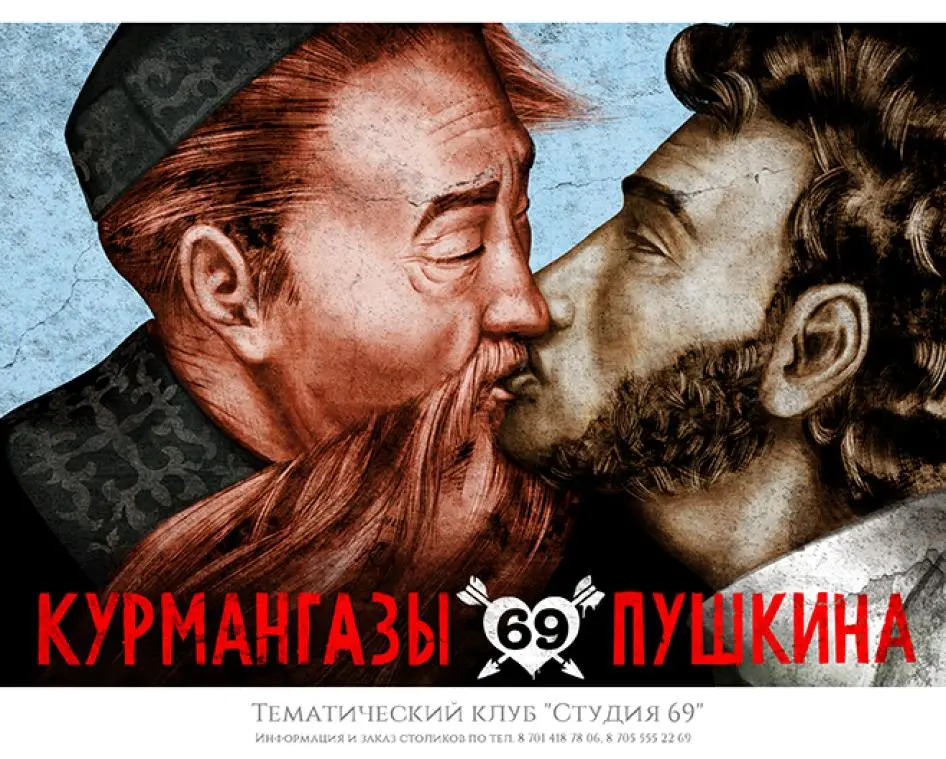
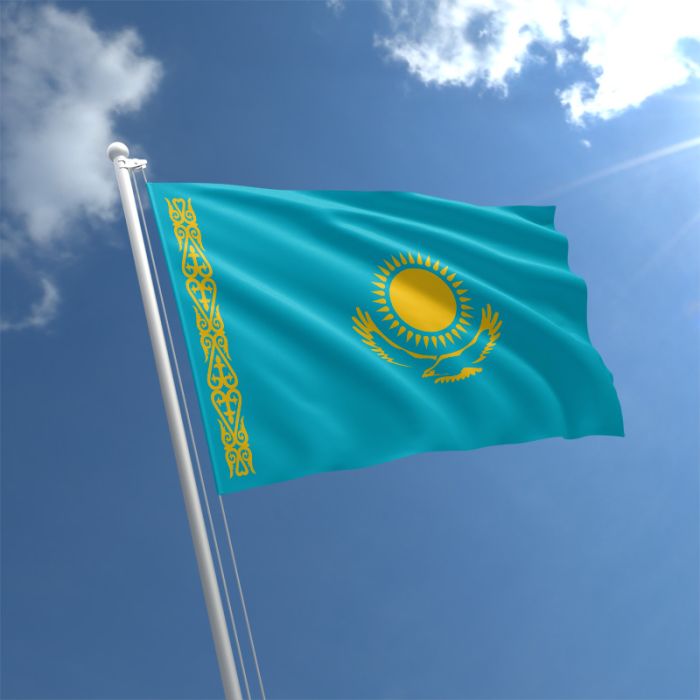
This week, Kazakhstan moved closer to adopting a new law that would restrict what it calls LGBTI propaganda. The Senate has approved amendments that could soon be signed by President Kassym Jomart Tokayev. LGBTQIA+ organisations, including ILGA Europe, are urging him to reject the text, warning that it goes against basic rights guaranteed by the country’s own constitution.
The problem is not only about queer visibility. The proposed law uses vague language and broad definitions. In practice, it could make it illegal to talk positively about LGBTI lives, to offer psychological support, to teach inclusive education, to report in the media, or to share public health information. What is framed as protection opens the door to censorship.
LGBTI people are clearly targeted, but they are not the only ones at risk. Journalists, teachers, doctors, artists and civil society organisations could all face pressure or punishment. This kind of law affects freedom of expression as a whole. When speech is controlled, everyone loses space to breathe.
From Brussels, this situation may feel distant. Yet Europe has seen similar laws before, and their effects are well known. They isolate communities, legitimise hostility and create fear. They also send a message that some lives are less worthy of respect.
ILGA Europe is calling on international partners to respond firmly and to stand with LGBTI people in Kazakhstan. Solidarity can take many forms. Sharing reliable information, supporting human rights organisations, and listening to those directly affected already makes a difference.
Queer communities are connected beyond borders. What happens in Kazakhstan concerns us because dignity and freedom are not local issues. When rights are threatened somewhere, staying silent is never neutral.
Vous aimerez aussi
-
Queens of the South: When Nice Turns Carnival into Queer Celebration
On 27 February 2026, Place Masséna in Nice will shimmer a little brighter. Lou Queernaval,
-

Cœur de pirate at AB: the runaway pop of a queer icon lands in Brussels
A major figure in Francophone pop and an outspoken voice in the queer community, Cœur de pirate
-
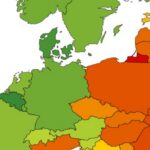
Safer on Paper, Not in Reality”: ILGA Warns of Rising Anti-LGBTQIA+ Violence in Belgium
Belgium still ranks among Europe’s most protective countries for LGBTQIA+ people on paper – yet
-

“March Is for the Queers”: Why You Should Put Queer March Ghent 2026 on Your Radar
Every March, Queer March turns Ghent into a month-long celebration of queer life, resistance, and
-

Six Charming Princes for Three Castles: LGBT Couples Rebuilding France’s Fairy‑Tale Landscape
First, there were princesses in towers waiting for some vaguely straight prince on a horse.
 Français de Belgique
  English
  Nederlands (België)