
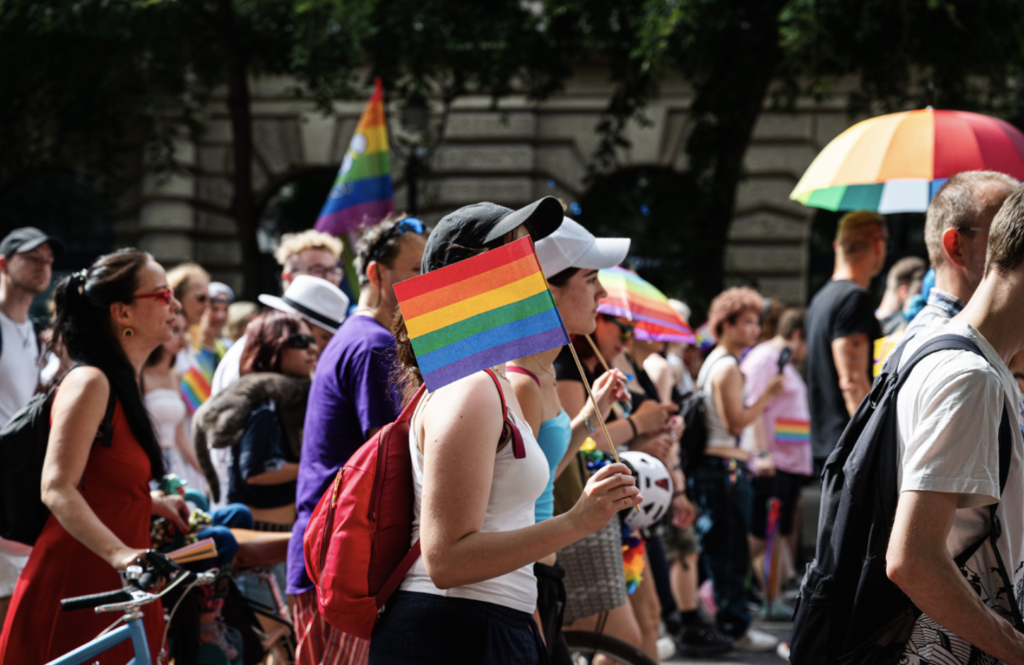
Hungary has officially banned Budapest’s Pride, passing a bill that equates any public display or “promotion” of homosexuality with harm to minors. But the move is not just symbolic—it comes with teeth. Authorities are now empowered to use facial recognition technology to retroactively identify and fine not only organisers but anyone who dares to show up.
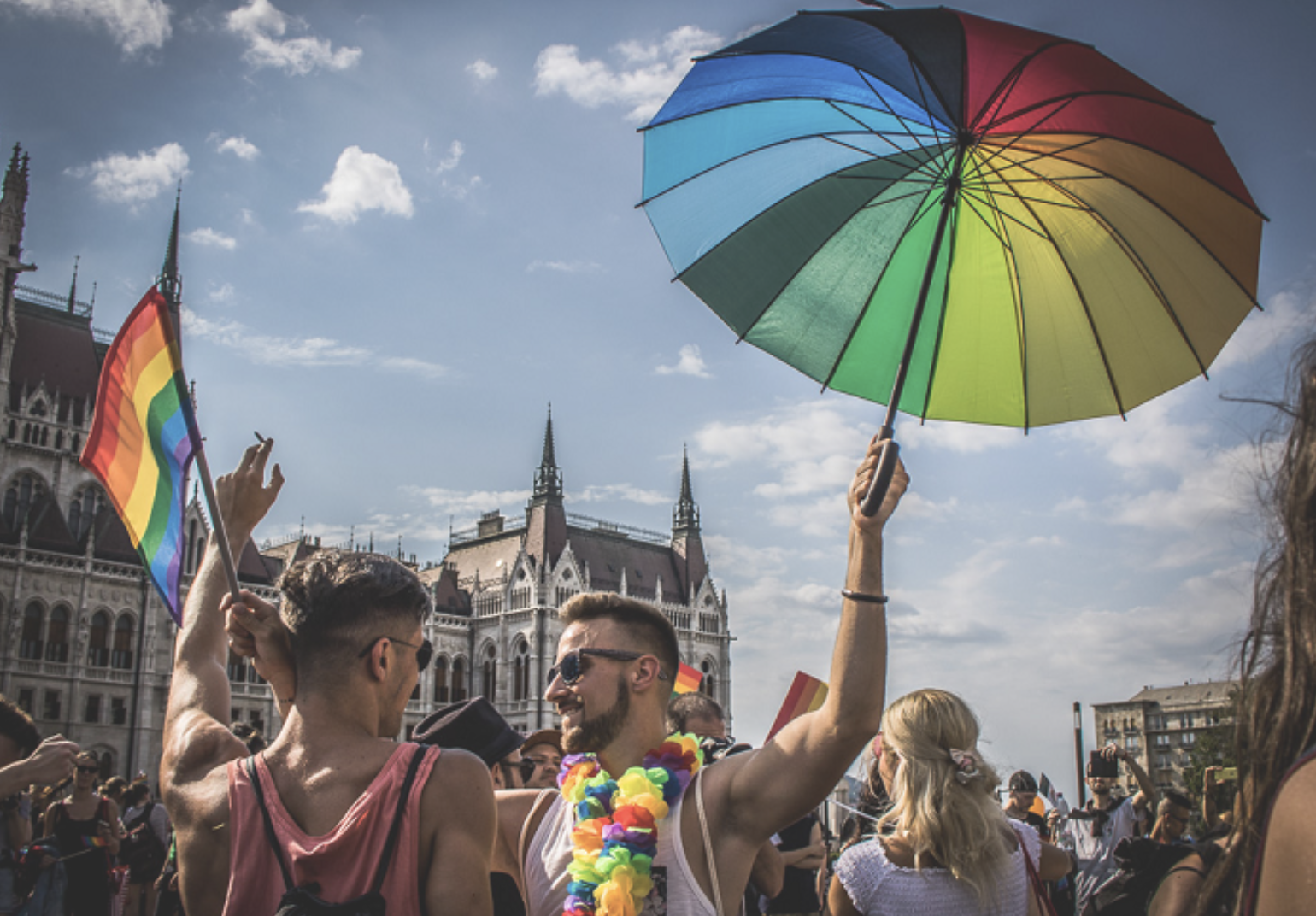
Participation in the now-illegal march could result in penalties of up to 200,000 forints (approx. €500). No on-site police check is required: public surveillance cameras will do the job, scanning crowds and matching faces to Hungary’s national photo registry. What was once a tool for serious crimes can now be used against someone who simply joined a peaceful LGBTQ+ gathering.
This system, initially framed as child protection, is in fact a sweeping expansion of state surveillance. Legal changes now allow this technology to be used for minor infractions—littering, jaywalking, public urination—creating a chilling precedent where basic rights are eroded under the guise of order.
But maybe this is exactly why now is the time to show up. If Hungary wants to intimidate and isolate queer people, what better answer than a pan-European wave of solidarity? Imagine thousands of us marching in Budapest, overwhelming their cameras and turning fear into resistance.
Let them try to scan us all.
You may also like
-

One Last Warm-Up: Brussels Still Has Time to Join the Biggest LGBTQI+ Choir at ING Arena
Brussels has already been singing queer for weeks, and now one of the most open
-
Lille Pride 2026 is back to claim the city in color
Lille Pride returns on Saturday 30 May 2026 with a full day of community, visibility and celebration,
-

Brussels Is About to Sing Queer: Various Voices 2026 Unfolds Across the City
From 24 to 28 June 2026, Brussels will host Various Voices, Europe’s flagship LGBTQI+ choir festival,
-

Brussels Stands with Senegal’s LGBTQIA+ Community as Repression Gets Worse
Senegal has sharply intensified its anti-LGBTQIA+ repression in 2026, with a new law that increases
-
Queer Mess Open Air: 16 Hours of Queer Joy at Circle Park
On 30 May 2026, Queer Mess Open Air takes over Circle Park in Anderlecht for
 English
  Français de Belgique
  Nederlands (België)