
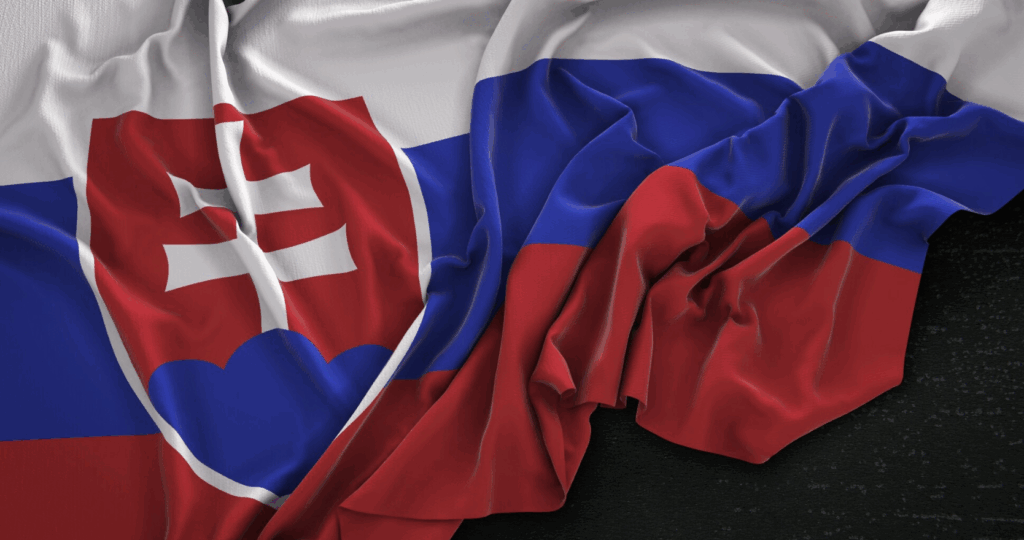
In a move that shocked even seasoned observers, Slovakia’s parliament has voted to amend its constitution, legally recognizing only two sexes — male and female — and restricting adoption exclusively to married heterosexual couples. Surrogacy has also been prohibited.
Prime Minister Robert Fico celebrated the outcome with chilling bravado: “This isn’t a little dam, or just a regular dam — this is a great dam against progressivism.” He had previously described liberal ideology as “spreading like cancer.”
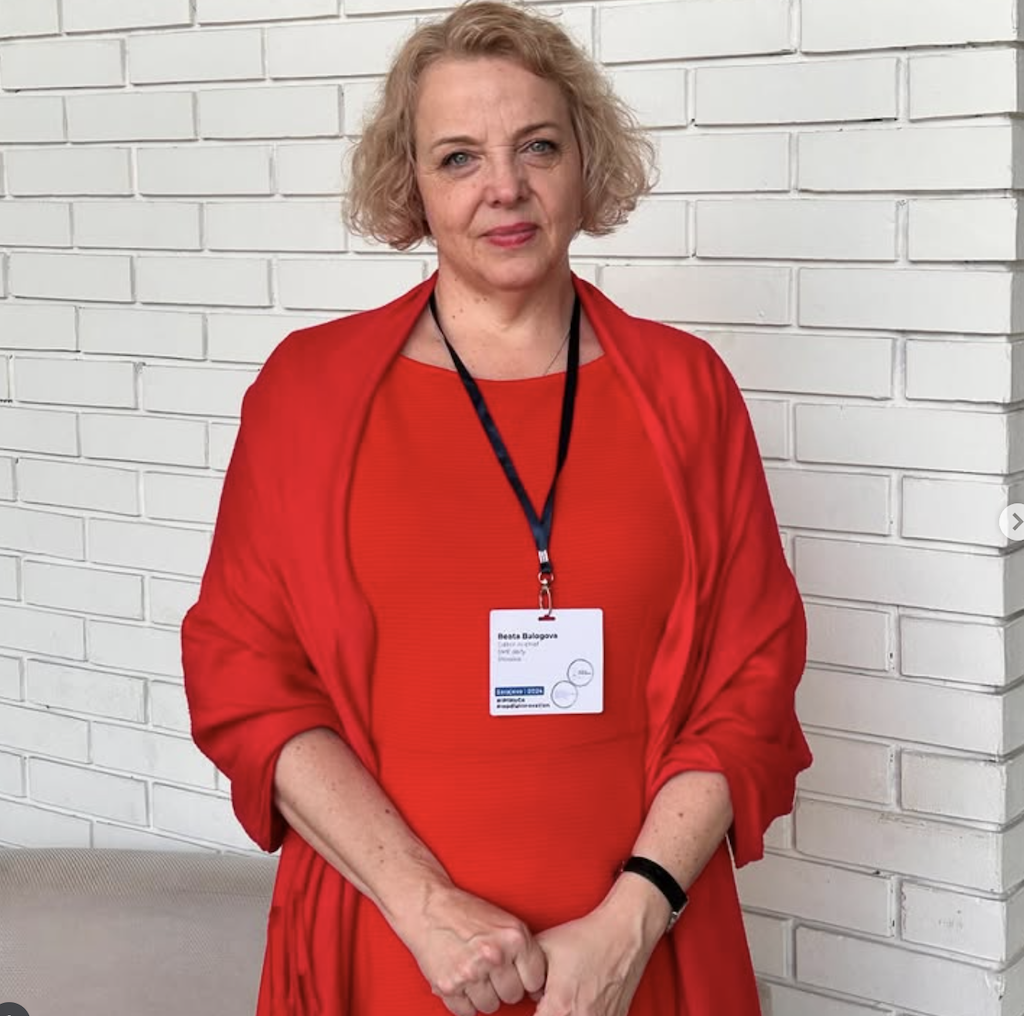
The narrow but decisive vote was made possible when 12 opposition MPs crossed the aisle to join the populist-nationalist government. Critics argue this wasn’t about values at all, but about distraction. As Beata Balagova, editor-in-chief of Slovak daily SME, told the BBC: “The Slovak constitution has fallen victim to Robert Fico’s plan to dismantle the opposition and divert attention from the real problems of society.”
For LGBTQIA+ people in Slovakia, however, the consequences are very real. Amnesty International has warned that the amendment will “make life more difficult for LGBT people” and drag Slovakia closer to the illiberal paths carved out by Hungary and Russia.
What makes this moment especially troubling is the precedent it sets. Legal scholars point out that the amendment enshrines the “primacy” of the Slovak constitution over EU law, a move bound to create confrontation with Brussels. The Slovak government seems willing — even eager — to defy European norms on human rights in order to score short-term political points.
Progressive Slovakia, the country’s strongest opposition force, called the vote a betrayal. Former Prime Minister Igor Matovic even described members of his own movement who backed the amendment as “traitors.”
And yet, amid the anger and disappointment, there is also resilience. Across Europe, queer communities and allies are watching closely. The erosion of rights in one member state is a reminder that equality cannot be taken for granted anywhere. The hard-won progress toward LGBTQIA+ visibility, safety, and family recognition is not irreversible.
At KET, we believe in the power of visibility, solidarity, and joy even when the news is heavy. Slovakia’s queer communities — like those in Hungary, Poland, and beyond — deserve not pity but our connection, our amplification, and our care. As Europe debates, we must remind ourselves: progress is not a straight line, but neither is it so easily dammed.
You may also like
-

One Last Warm-Up: Brussels Still Has Time to Join the Biggest LGBTQI+ Choir at ING Arena
Brussels has already been singing queer for weeks, and now one of the most open
-

Lille Pride 2026 is back to claim the city in color
Lille Pride returns on Saturday 30 May 2026 with a full day of community, visibility and celebration,
-

Brussels Is About to Sing Queer: Various Voices 2026 Unfolds Across the City
From 24 to 28 June 2026, Brussels will host Various Voices, Europe’s flagship LGBTQI+ choir festival,
-

Brussels Stands with Senegal’s LGBTQIA+ Community as Repression Gets Worse
Senegal has sharply intensified its anti-LGBTQIA+ repression in 2026, with a new law that increases
-
Queer Mess Open Air: 16 Hours of Queer Joy at Circle Park
On 30 May 2026, Queer Mess Open Air takes over Circle Park in Anderlecht for
 English
  Français de Belgique
  Nederlands (België)