

While several governments slide toward openly anti-LGBTQ policies, the European Union is making a very different choice. Its new LGBTQI+ Equality Strategy for 2026–2030, published in early October, delivers a clear message: our rights are not up for negotiation. “Equality and non-discrimination are essential to democratic resilience,” the document states in its opening line — a reminder that democracy only works when everyone belongs.
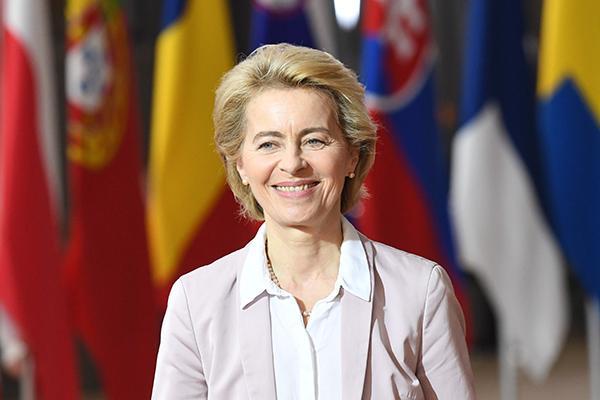
This renewed strategy arrives in a tense moment. From Russia to the U.S., Italy to Hungary, reactionary leaders push agendas targeting queer people. Hungary’s ban on Pride events made headlines across Europe — and Brussels didn’t stay silent. The Commission has referred the case to the Court of Justice of the EU, contesting “national rules that discriminate against people on the basis of their sexual orientation and gender identity.” Ursula von der Leyen adds a firm warning: “The right to peaceful assembly is enshrined in the Charter of Fundamental Rights, and the Commission […] is determined to defend it at all times."
Behind the political language lies a stark reality: 37% of LGBTQI+ people in Europe report having experienced discrimination. In response, the strategy proposes stronger protection for Pride marches, EU-funded vulnerability assessments for high-risk queer events, and action against “anti-LGBTQI+ extremism” within upcoming counter-terrorism programs.
On family rights, the EU sends another strong signal. As some governments try to erase same-sex parenthood, the Commission calls for automatic cross-border recognition of parental ties in all member states. The same clarity applies to trans rights: it supports “gender-recognition procedures based on self-determination and free of age restrictions.”
And at a time when some world powers retreat from global health commitments, Europe promises to continue supporting the WHO’s strategies on HIV and related infections. LGBTQI+ equality also becomes a diplomatic priority, especially in promoting the decriminalisation of same-sex relationships worldwide.
Here in Brussels — and across the continent — this strategy reminds us of something vital: even in a moment of backlash, our lives and freedoms still matter. Europe isn’t perfect, but right now, it’s choosing to stand with us.
You may also like
-

One Last Warm-Up: Brussels Still Has Time to Join the Biggest LGBTQI+ Choir at ING Arena
Brussels has already been singing queer for weeks, and now one of the most open
-

Lille Pride 2026 is back to claim the city in color
Lille Pride returns on Saturday 30 May 2026 with a full day of community, visibility and celebration,
-

Brussels Is About to Sing Queer: Various Voices 2026 Unfolds Across the City
From 24 to 28 June 2026, Brussels will host Various Voices, Europe’s flagship LGBTQI+ choir festival,
-

Brussels Stands with Senegal’s LGBTQIA+ Community as Repression Gets Worse
Senegal has sharply intensified its anti-LGBTQIA+ repression in 2026, with a new law that increases
-

Various Voices 2026: Brussels becomes a queer choir city
In just a few weeks, Various Voices 2026 will finally land in Brussels. After years of preparation,
 Français de Belgique
  English
  Nederlands (België)