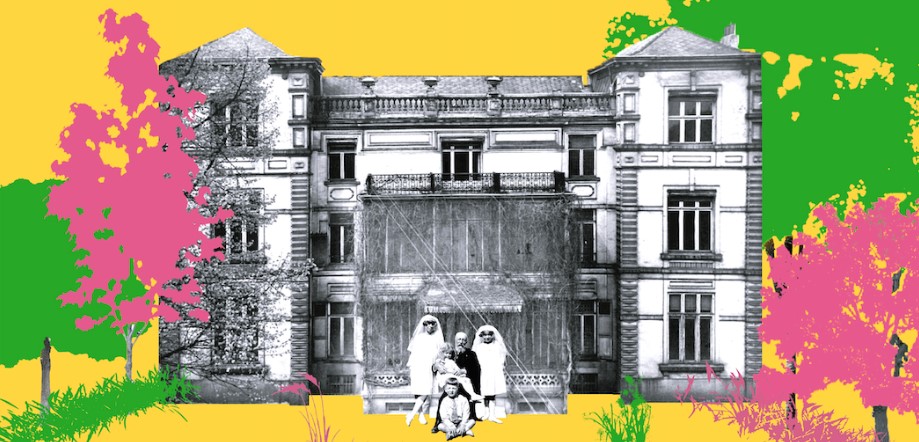
In 2026, La Maison des Arts in Schaerbeek celebrates its 200th anniversary with a year‑long programme of exhibitions under the shared theme of “inhabiting”. Once a bourgeois family home nestled in a hidden garden, the house has become a key venue for contemporary art in Brussels – and now turns its own walls, rooms and memories into material for artists to explore.
Built in 1826 as a country house for a family of drapers, the building has witnessed four generations of the Eenens and Terlinden families, along with their everyday lives, festivities, wars and mourning. In 1950, the commune of Schaerbeek bought the property and gradually transformed it into La Maison des Arts, opening its salons and its secret garden to a wider public. Today, the house is fully listed and recognised as a heritage site, but also as a living space for contemporary creation.
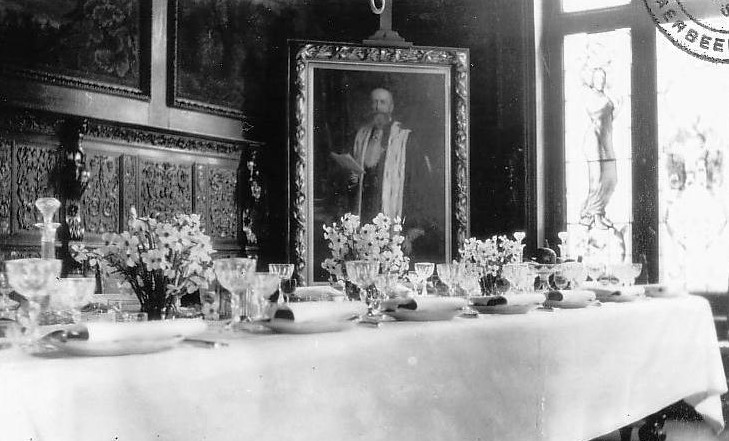
To mark its bicentennial, La Maison des Arts structures the year around three exhibitions that each activate a different part of the building: “Habiter la maison” on the ground floor, “À l’abri des regards” upstairs, and “Au jardin” in the autumn. Together, they turn the house into a kind of living archive, where domestic history, social hierarchies and intimate rituals meet contemporary artistic practices. The question running through the whole programme is deceptively simple: what does it mean to inhabit a house – and to be inhabited by it in return?
From 7 March to 24 May, “Habiter la maison” takes over the ground‑floor reception rooms, traditionally dedicated to guests, social life and display. Contemporary works by artists including Sébastien Alouf, Benoit Bastin, Priscilla Beccari, Frédéric Biesmans, Jan De Vliegher, Myriam Hornard, Louise Limontas, Antoine Moulinard, Patrimoine à Roulettes and the Board Game Campus & Art dans l’Espace Public (ARBA‑ESA) enter into dialogue with the existing architecture and memories. Scavenged furniture – armchairs, carpets, consoles – is woven into the scenography, so that visitors move through a space that is at once exhibition, salon and re‑imagined bourgeois interior.
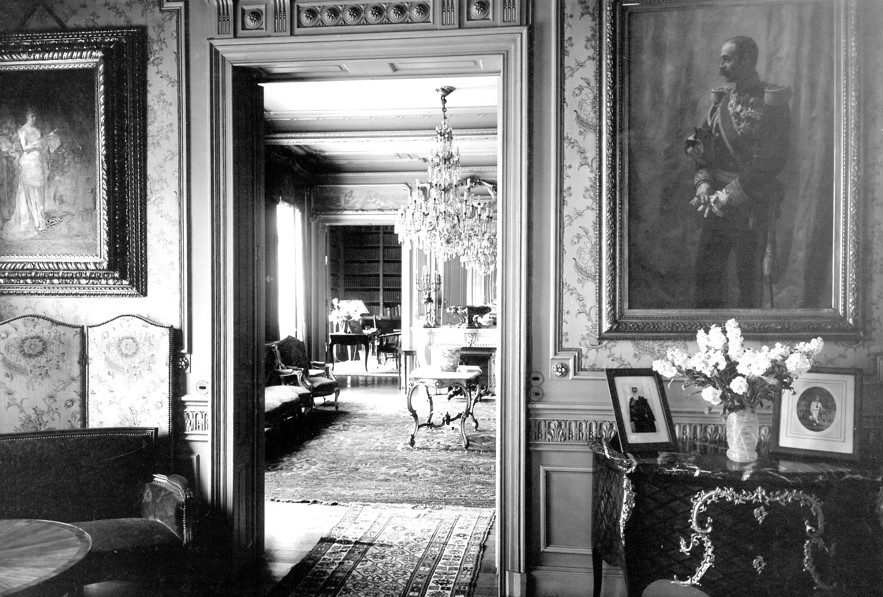
The works on show dissect the idea of “home” far beyond bricks and mortar. Sculptures, installations, ceramics, paintings and textiles address class codes, gendered spaces, family rituals and the emotional charge of domestic objects. From whimsical re‑readings of the bourgeois salon to pieces that highlight invisible labour and the traces of past inhabitants, “Habiter la maison” invites visitors to ask themselves how they feel at home – and who, historically, has had the privilege to feel that way in such a house.
At the same time, the upstairs rooms host “À l’abri des regards”, an exhibition devoted to the hidden, intimate side of the building. Bedrooms, bathrooms, service staircases and former servants’ quarters become the stage for works by artists such as Priscilla Beccari, Paul Gérard, Aurélien Goubau, Myriam Hornard, Romane Iskaria, Louise Limontas and Anne Sedel. Here, the focus shifts to intimacy, domesticity, discretion and sleep, but also to the social relations that structure who is seen and who remains in the shadows.
The exhibition brings to light the often invisible people and tasks associated with keeping a “well‑kept” house: cleaning, laundry, maintenance, care. In some works, linen spills out of a washing machine or furniture seems to trap or objectify bodies, suggesting the weight of repetitive gestures and gendered expectations. Other pieces evoke the world of maids’ rooms, service doors and backstairs, pulling back the curtain on a domestic architecture that separated “front stage” from “backstage”.
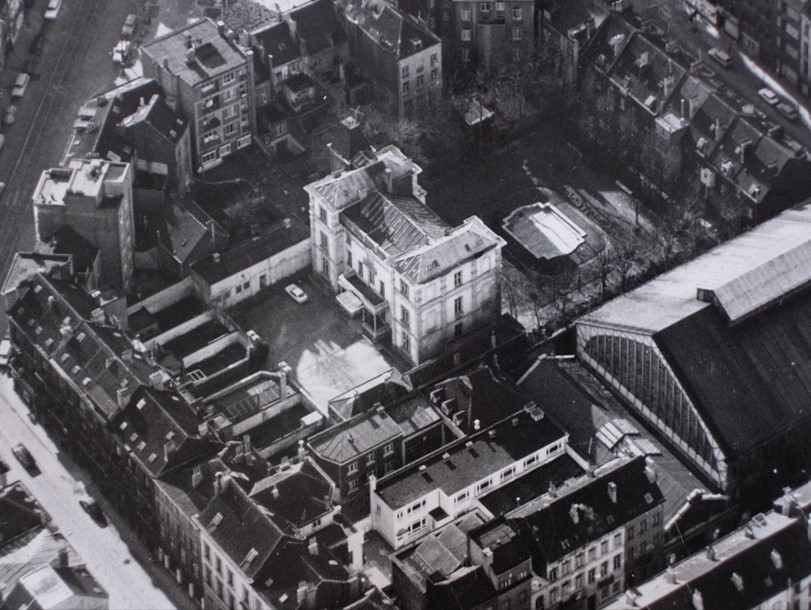
In September, the anniversary programme expands to include “Au jardin”, a third exhibition inspired by the house’s former family garden, now a public green space. Installed upstairs, the works in this final chapter explore the dialogue between inside and outside, between built architecture and living matter. Plants, trees and other non‑human presences become protagonists, reminding visitors that the house has always been part of a larger ecosystem – one that has also evolved over two centuries of urban change.
Throughout the year, La Maison des Arts complements the exhibitions with festive moments, guided tours, workshops and activities for different audiences. The aim is not just to celebrate a birthday, but to activate the house as a place where past and present, private and public, art and everyday life intersect. For neighbours and visitors alike, it is a chance to experience the building not as a static monument, but as a home that continues to transform with the people who live in it, work in it and walk through it.
Useful links
Practical info (opening hours, access, tickets, activities): (commune of Schaerbeek / 1030.be and La Maison des Arts)
KET Magazine is a community‑driven, non‑profit magazine run by volunteers based in Brussels. Get in touch to share your thoughts or tell us about your activities. You can also promote your events on our website or support our work with a donation. Contact us at Info@ket.brussels.
Vous aimerez aussi
-

Ocean Vuong at Bozar: When the Luminous and the Broken Meet
On 14 March 2026, Vietnamese American writer and poet Ocean Vuong comes to Bozar for
-

Decolonising the Dancefloor: When the Party Becomes Political
With “Décoloniser le dancefloor”, performer, activist and voguer Habibitch turns the club and the stage
-
Discover the Art and Aesthetics of BDSM at an Exclusive Event near Brussels
Far from stereotypes, BDSM is revealing its elegant, artistic, and deeply human side. An upcoming
-

Pillion: A Dark Ride Through Desire and Self-Discovery
In Pillion, a lonely traffic warden’s mundane life takes a thrilling turn when he meets a
-

Art Deco Radiance: Val Saint-Lambert at the Glass Museum of Charleroi
To mark the bicentenary of the Val Saint‑Lambert crystal works, the Glass Museum of Charleroi
 Français de Belgique
  English
  Nederlands (België)