

The European Commission’s recent decision to withdraw the Equal Treatment Directive has sparked outrage among civil society organisations across Europe. The directive aimed to close significant legal gaps in EU anti-discrimination laws, ensuring equal protection for all, regardless of gender, sexual orientation, disability, religion, age, or ethnic background. By scrapping this proposal without an alternative, the Commission is effectively abandoning its commitment to a Union of Equality at a time when marginalised communities need protection the most.

Currently, EU anti-discrimination laws create a hierarchy of protection, where some forms of discrimination are more effectively addressed than others. The Equal Treatment Directive sought to harmonise these protections, ensuring that LGBTIQ+ individuals, people with disabilities, religious minorities, older persons, and young people are safeguarded when accessing goods, services, housing, healthcare, and education. Its withdrawal leaves these groups vulnerable, reinforcing systemic inequalities.
The decision has been widely condemned by ILGA-Europe, TGEU, IGLYO, the European Disability Forum, and other key civil society organisations. Their concerns are clear: at a time when the far right is gaining ground across Europe, scrapping this directive is a dangerous political gamble. Instead of reinforcing human rights, the Commission is sending a message that discrimination will go unchecked.
Advocates are now demanding that the Polish EU Presidency and the European Parliament take urgent action. The Commission must either reinstate the directive or propose a stronger, intersectional alternative. The EU has a responsibility to protect its citizens—now is not the time to backtrack on equality.
Misschien wilt u ook
-

Queens of the South: When Nice Turns Carnival into Queer Celebration
On 27 February 2026, Place Masséna in Nice will shimmer a little brighter. Lou Queernaval,
-

Cœur de pirate at AB: the runaway pop of a queer icon lands in Brussels
A major figure in Francophone pop and an outspoken voice in the queer community, Cœur de pirate
-
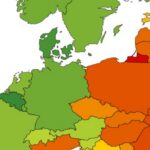
Safer on Paper, Not in Reality”: ILGA Warns of Rising Anti-LGBTQIA+ Violence in Belgium
Belgium still ranks among Europe’s most protective countries for LGBTQIA+ people on paper – yet
-

“March Is for the Queers”: Why You Should Put Queer March Ghent 2026 on Your Radar
Every March, Queer March turns Ghent into a month-long celebration of queer life, resistance, and
-

Six Charming Princes for Three Castles: LGBT Couples Rebuilding France’s Fairy‑Tale Landscape
First, there were princesses in towers waiting for some vaguely straight prince on a horse.
 Nederlands (België)
  English
  Français de Belgique