

Brussels is quickly establishing itself as one of Europe’s most inclusive cities for LGBTQIA+ travelers, thanks in large part to the growing adoption of the Queer Destinations certification across its hospitality and entertainment sectors. This official label, recognized internationally, is awarded to hotels, venues, and even casinos whose staff have completed specialized training and who commit to providing a genuinely inclusive and welcoming environment for all guests, regardless of sexual orientation or gender identity.
What Is the Queer Destinations Certification?
The Queer Destinations certification is more than just a logo on a hotel’s website. To earn the label, an establishment’s entire staff must complete the “Hospitality Meets Diversity” training program. This comprehensive course covers LGBTQIA+ history, best practices for inclusive service, and real-world scenarios to ensure employees are equipped to create a safe, respectful, and welcoming atmosphere for everyone. The training is available in multiple languages and includes interactive modules, case studies, and updated data on the needs and expectations of LGBTQIA+ travelers.
Once certified, venues display a QR code that allows guests to provide real-time feedback on inclusivity, helping properties continuously improve their approach.

Brussels: A Pioneer in Inclusive Hospitality
Brussels stands out as a European frontrunner in embracing this certification. The Brussels-Capital Region has actively supported and funded the Queer Destinations program, encouraging hotels, event spaces, and even the city’s casino to participate. This initiative is part of a broader strategy to make Brussels one of the most LGBTQIA+-friendly destinations in Europe.
Major hotels like the Marriott Brussels Grand Place, nHow Brussels Bloom, First Euroflat Hotel, MEININGER Hotel Bruxelles City Center, and Martin’s Brussels EU are among those proudly displaying the Queer Destinations label. The movement isn’t limited to accommodation—venues and the iconic Brussels casino have also joined, ensuring that inclusive hospitality extends to nightlife and entertainment.
Why Does It Matter?
For LGBTQIA+ travelers, the assurance of a welcoming and safe environment is crucial. The Queer Destinations label offers peace of mind, signaling that staff are not only trained but genuinely committed to inclusion and respect. This is especially important given that many LGBTQIA+ individuals still face uncomfortable or even hostile situations when traveling.
Brussels on the Global Stage
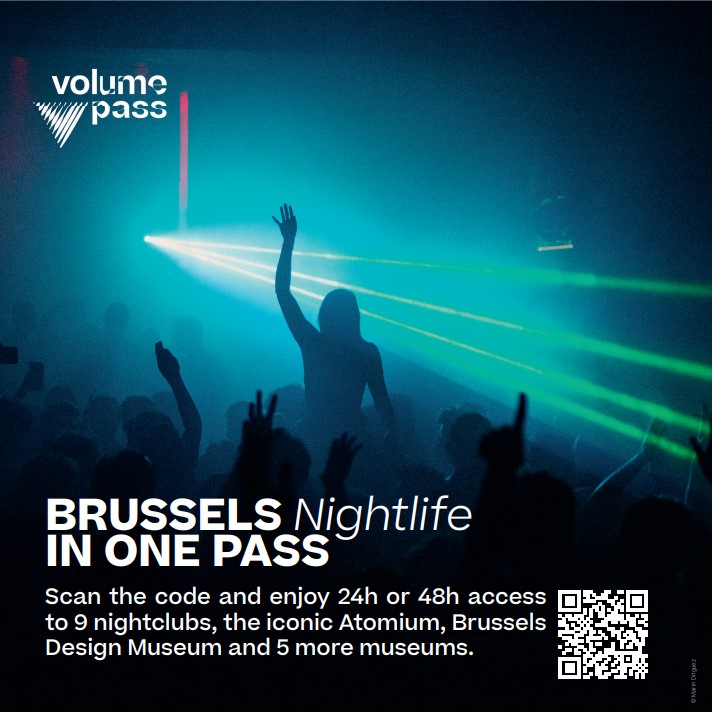
Brussels’ commitment is paying off: the city has been ranked among the best in Europe for LGBTQ+ dating and nightlife, with a perfect anti-discrimination score and a vibrant queer scene. By certifying not just hotels but a wide range of venues, Brussels is setting a new standard for inclusive tourism and sending a clear message—everyone is welcome here.
In Summary
With its proactive adoption of the Queer Destinations certification across hotels, venues, and even its casino, Brussels is at the forefront of LGBTQIA+ inclusivity in tourism. The city’s approach ensures that every visitor can feel safe, respected, and truly at home—making Brussels a model for other destinations worldwide.
Need some informations about Queer Destination in Brussels : f.boutry@visit.brussels
You may also like
-

Queer Paris in Your Pocket: A New Guide to the City’s LGBTQIA+ Memory and Momentum
Released on 4 June by First, Queer Paris is a new pocket guide that maps out the French capital through
-

Love, Law and Queer Futures: Why LGBTQ+ Couples Should Still Visit Their Notary
In Belgium, same-sex marriage has been legal for over 20 years, and yet many LGBTQ+
-

One Last Warm-Up: Brussels Still Has Time to Join the Biggest LGBTQI+ Choir at ING Arena
Brussels has already been singing queer for weeks, and now one of the most open
-
Sky High, Queer Wide: Brussels Rooftops for Your Summer Nights
When the sun finally shows up in Brussels, the city opens up from above: cocktails,
-

Lille Pride 2026 is back to claim the city in color
Lille Pride returns on Saturday 30 May 2026 with a full day of community, visibility and celebration,
 English
  Français de Belgique
  Nederlands (België)