
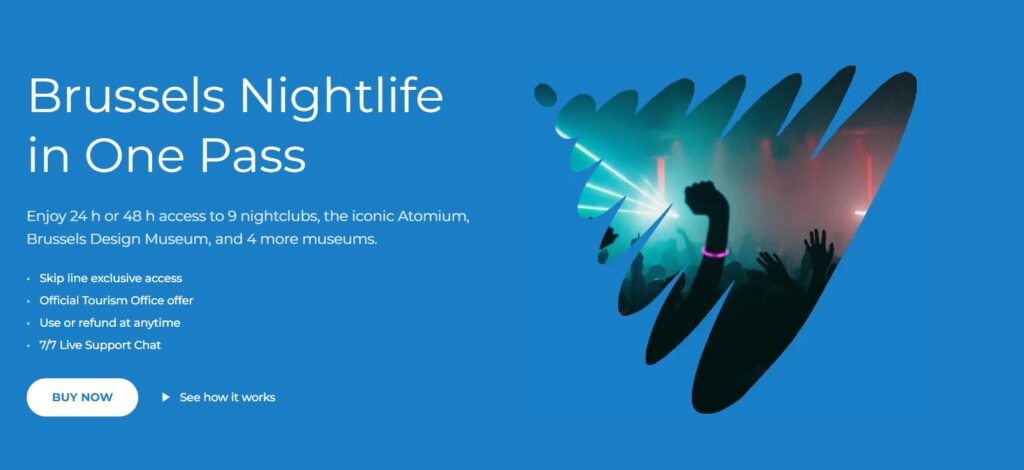
Brussels has long sold itself as a city of contrasts, and Volume Brussels pushes that idea into the nightlife itself. The concept is a one- or two-night pass that unlocks access to major clubs, selected museums and iconic attractions, turning a weekend in the capital into something closer to a curated queer city break.
That matters in Brussels, where queer nightlife has always been more than just a list of venues: it is a social map, a network of rooms, bars, parties and communities that shape how the city is experienced after dark. Volume Brussels taps into that ecosystem by making clubbing feel less isolated and more connected to the wider city.
A nightlife pass with a wider frame
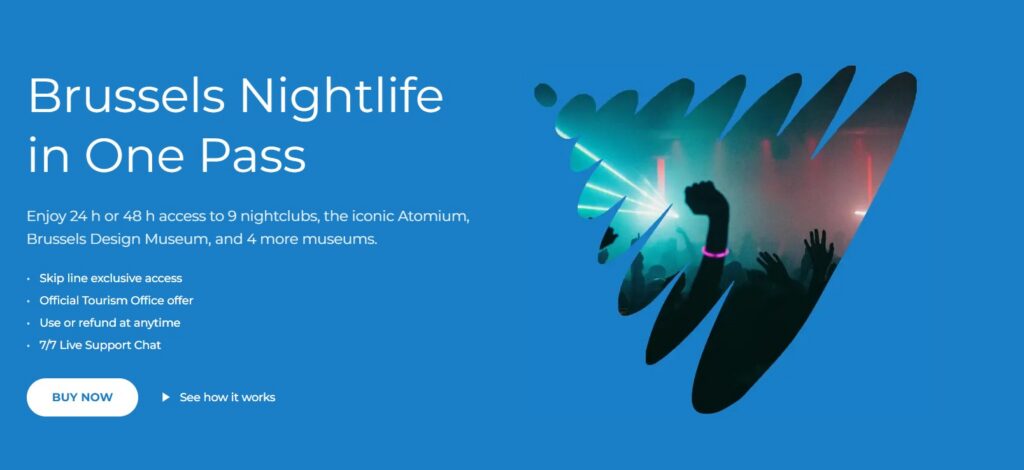
The pass currently offers access to nine clubs, including names that will be familiar to many Brussels clubbers such as Zekering, C12, Mirano, Spirito, Madame Moustache, Chez Ginette, UMI, Jalousy en Bloody Louis. It also includes cultural stops like the Atomium, Brussels Design Museum, GardeRobe MannekenPis, Sewer Museum, Fashion & Lace Museum en La Maison du Roi.
For queer visitors, that mix is interesting because it reflects how Brussels nightlife often works in practice: you do not need to choose between culture and clubbing, and you certainly do not need to flatten the city into a single scene. The whole proposition feels like an invitation to move fluidly between spaces, identities and moods over the course of a weekend.
Why queer readers may care
Brussels has a dense and visible queer nightlife culture, with venues and parties ranging from bars around the Marché au Charbon to spaces like De Agenda, which presents itself as Brussels’ official headquarters for queer nightlife. In that context, Volume Brussels reads less like a generic tourism product and more like an attempt to package the city’s nocturnal diversity for people who already understand nightlife as a community experience.
That could make the pass especially appealing to queer travelers, couples, friend groups and Pride-season visitors looking for a frictionless way to experience the city. The promise is not only convenience, but access to a nightlife circuit that can stretch from club floors to cultural landmarks without losing its urban identity.
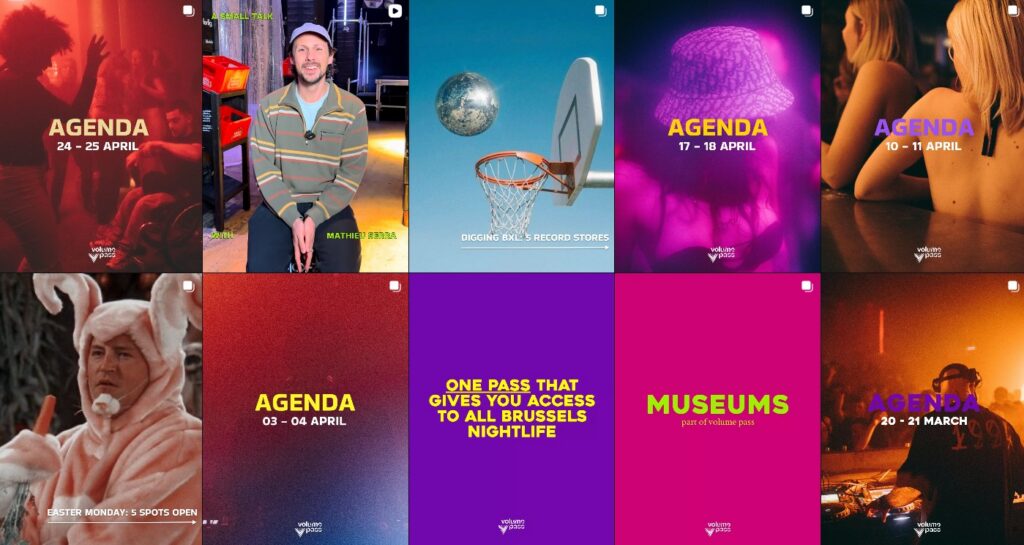
A city break after dark
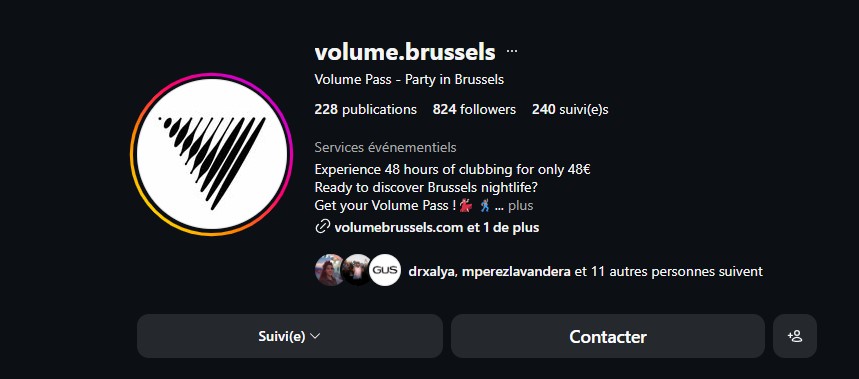
The official messaging leans heavily on simplicity: 24h or 48h access, skip-the-line entry, live support and a refund-or-use-later model. The price points are straightforward too, with the Night Pass at €29 en de Weekend Pass at €48, which positions the offer as both a party tool and a tourism hook.
In queer terms, that makes the product more interesting than a standard city pass. It treats nightlife as a legitimate way of reading Brussels, not a side activity, and it acknowledges that club culture can be part of how a city welcomes people in, especially visitors who move through it with a queer lens.
Links
KET Magazine is a community‑driven, non‑profit magazine run by volunteers based in Brussels. Get in touch to share your thoughts or tell us about your activities. You can also promote your events on our website or support our work with a donation. Contact us at Info@ket.brussels.
You may also like
-
Queer Paris in Your Pocket: A New Guide to the City’s LGBTQIA+ Memory and Momentum
Released on 4 June by First, Queer Paris is a new pocket guide that maps out the French capital through
-

Love, Law and Queer Futures: Why LGBTQ+ Couples Should Still Visit Their Notary
In Belgium, same-sex marriage has been legal for over 20 years, and yet many LGBTQ+
-
Sky High, Queer Wide: Brussels Rooftops for Your Summer Nights
When the sun finally shows up in Brussels, the city opens up from above: cocktails,
-
Lille Pride 2026 is back to claim the city in color
Lille Pride returns on Saturday 30 May 2026 with a full day of community, visibility and celebration,
-

Mullet Festival 2026: business in the front, queer joy in the back
Sun on the neck, hair in the wind, zero shame in sight: Belgium just hosted
 Nederlands (België)
  English
  Français de Belgique