
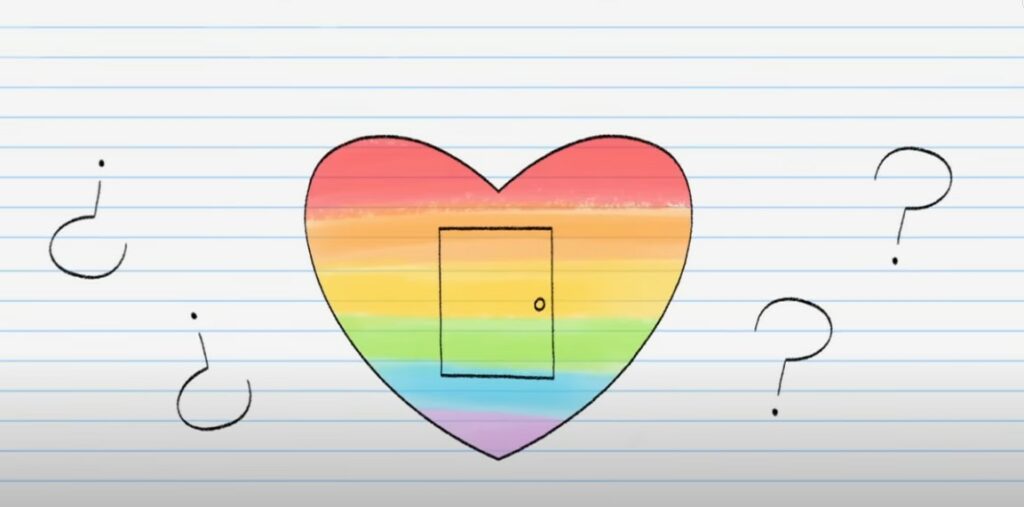
The U.S. Supreme Court on Tuesday appeared receptive to arguments from opponents of Colorado’s ban on so-called conversion therapy for LGBT+ minors — a controversial practice that purports to change a person’s sexual orientation or gender identity. This is the first sensitive social issue addressed by the Court’s conservative majority in its new annual session.
Colorado’s 2019 law, similar to legislation in about 20 other U.S. states, prohibits licensed practitioners from conducting conversion therapy on minors. State officials argue the practice is both ineffective and harmful, citing increased risks of depression, anxiety, suicidal thoughts, and suicide attempts among those exposed to it.
The Case Before the Court
Kaley Chiles, a licensed counselor in Colorado, is challenging the ban, claiming it violates her First Amendment right to free speech. Represented by attorney James Campbell from the conservative Alliance Defending Freedom (ADF), Chiles asserts that her work consists only of encouraging clients to reach their personal goals and discussing identity and attraction — not coercive or harmful interventions.
Campbell argued that the state’s scientific evidence fails to distinguish between consensual conversations and extreme, discredited methods like electroshock therapy.
“Ms. Chiles is censored. Children and families who want the kind of help she can offer are left without any support,” Campbell said.
Colorado’s Position
Colorado’s Solicitor General Shannon Stevenson countered that Chiles has provided no credible research supporting conversion therapy, while there is “a mountain of proof” of its harm.
“Telling a young person they can change this innate aspect of themselves, watching them fail, and witnessing the shame and depression that follows — that’s what makes this practice harmful,” Stevenson told the Court.
She emphasized the state’s right to regulate medical practices, even those involving speech. Chief Justice John Roberts questioned whether speech in therapeutic settings could still merit constitutional protection.
Broader Political Context
The case arrives in a shifting legal and political landscape under President Donald Trump, who since returning to office in January declared that authorities will only recognize “two sexes” assigned at birth, and ended public funding for gender transition care for minors.
Earlier this year, the Supreme Court allowed Tennessee to ban access to gender transition treatments for minors, and it is expected to rule in coming months on the participation of transgender women in female sports — a major issue in Trump’s re-election campaign.
International Stance
Conversion therapy is partially or fully banned in many countries, with strong opposition from health bodies including the American Psychological Association, American Medical Association, and the UK’s Royal College of Psychiatrists. The United Nations has called for a global ban, labeling the practice discriminatory, degrading, and a violation of bodily integrity.
Full details on the Colorado case can be followed via the U.S. Supreme Court Docket: Supreme Court of the United States and background on the state’s legislation from the Colorado General Assembly: Colorado Laws.
You may also like
-
One Last Warm-Up: Brussels Still Has Time to Join the Biggest LGBTQI+ Choir at ING Arena
Brussels has already been singing queer for weeks, and now one of the most open
-

Lille Pride 2026 is back to claim the city in color
Lille Pride returns on Saturday 30 May 2026 with a full day of community, visibility and celebration,
-

Brussels Is About to Sing Queer: Various Voices 2026 Unfolds Across the City
From 24 to 28 June 2026, Brussels will host Various Voices, Europe’s flagship LGBTQI+ choir festival,
-

Brussels Stands with Senegal’s LGBTQIA+ Community as Repression Gets Worse
Senegal has sharply intensified its anti-LGBTQIA+ repression in 2026, with a new law that increases
-
Queer Mess Open Air: 16 Hours of Queer Joy at Circle Park
On 30 May 2026, Queer Mess Open Air takes over Circle Park in Anderlecht for
 Nederlands (België)
  English
  Français de Belgique