
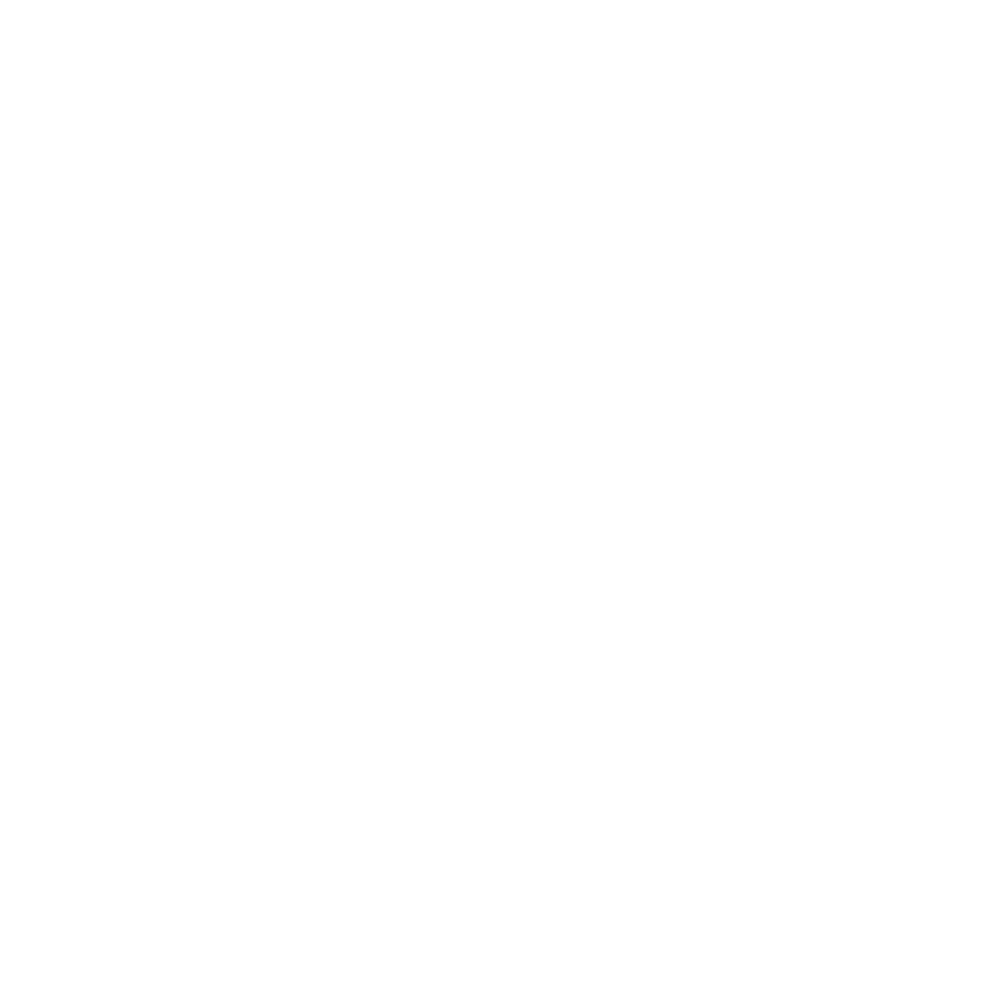

Fatsabbats is a collective operating to support racialized LGBTQIA+ communities. It consists of racialized women and non-binary people who collaborate to create inclusive cultural spaces, share knowledge, and build mutual aid networks. Through their efforts, they aim to foster community solutions, offering resources, practices, and safe spaces.

“FATSABBATS has existed since 2019, initially as a self-managed physical space in central Brussels, created by Ophélie Mac to provide a safe meeting platform for marginalized communities. The vision was a self-sustained, donation-based 80m² space where these communities could connect, support each other, and share skills. Although COVID led to the space’s closure, the project transformed into a collective format with its rebirth at the FATSABBACK festival hosted by L’Atelier 210, showcasing workshops, performances, and more.”
“Now, FATSABBATS operates as a volunteer-based collective of 4-10 racialized LGBTQIA+ members who collaborate with cultural spaces to create inclusive, mobile spaces that address issues unique to these communities, especially around nightlife, artist representation, and support networks. Their work extends beyond events, fostering real social impact through initiatives like FATSHARE (mental health support groups), FATALKS (for transnational adoptees), and FATMAMAS (for lesbian mothers and queer parents). FATSABBATS encourages community empowerment and activism, aiming to cultivate healing, support, and self-care within marginalized groups.”
“Currently in residence at KAAI Studio, FATSABBATS runs the FATSABBIR program, offering daily workshops (like voguing, writing, DJing, and meditation) tailored to their community. They are preparing a final major event on December 31 to mark a milestone.”
“FATSABBATS emphasizes the need for equitable access to financial resources, pointing out how complex applications and bureaucratic language limit opportunities. They advocate for a system that genuinely supports diverse community projects, recognizing that the daily struggles of racialized queer individuals often exceed typical constraints. They call for dismantling these barriers, passing on knowledge, and enabling new projects to thrive without compromising authenticity. Supporting alternative skills and methods without expecting returns is more crucial now than ever. Despite the need, few initiatives like FATSABBATS have the longevity and resources to continue this vital work.”
You may also like
-
Protection for Everybody: a digital statement for safer, more inclusive spaces
Protection for Everybody presents itself as a clear, purpose-driven initiative focused on protection and safety for
-

From the United States comes another alarming blow for LGBTQ+ rights
The latest news from the United States is deeply worrying for LGBTQ+ people and their
-

RainbowHouse opens call for projects for Brussels Pride Week 2026
RainbowHouse Brussels has launched its call for projects for Brussels Pride Week 2026, inviting associations, collectives, artists
-
Matrimiel: an Ixelles festival celebrating women’s know-how and intergenerational transmission
From 8 to 10 May 2026, the Abbaye de la Cambre in Ixelles will host Matrimiel,
-
Mothers and Daughters: calling for memories, building a collective queer archive
Mothers and Daughters, Brussels’ beloved lesbian & trans bar and art space, is looking back on