
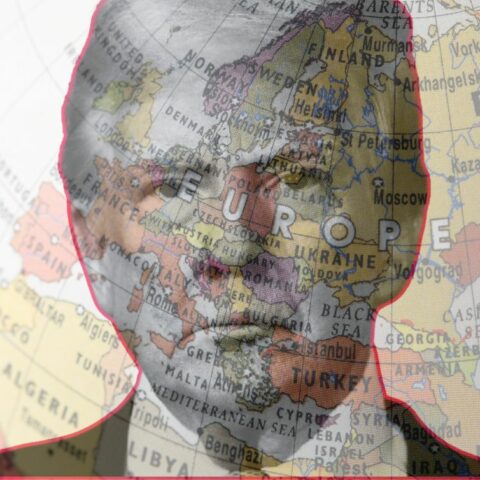
It’s often said that when America sneezes, the rest of the world catches a cold. But for queer people in Central and Eastern Europe, what’s blowing in from Washington feels more like a storm. The return of Donald Trump to global relevance — whether through campaign rallies or backchannel diplomacy — is already echoing across borders. And for LGBTQIA+ communities in places like Hungary, that echo sounds a lot like danger.
“Trump is back, and so is the hate,” says Nikoletta Bogadi, a mother of four from rural Hungary. Her life turned upside down when one child came out as gay, and another as trans. Moving to Budapest offered a sliver of safety, but even the capital is feeling the chill. “We weren’t strong enough before to face the hurricane of protests. Now, with Trump rising again, the winds in Washington are emboldening the worst here.”
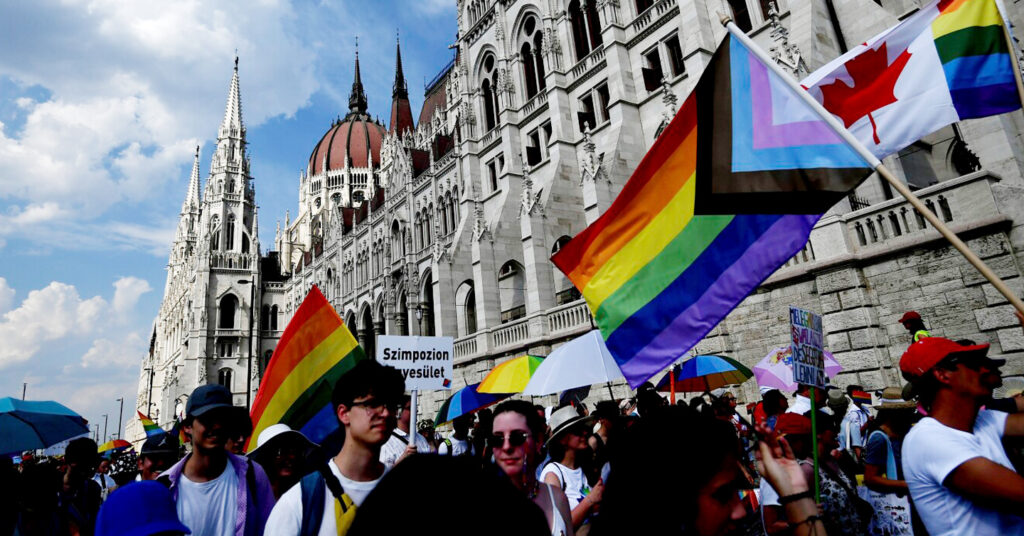
Hungary’s parliament recently passed a law to ban Budapest Pride, backed by a constitutional amendment and a growing far-right alliance. Orbán’s government has long borrowed the anti-LGBTQIA+ playbook from U.S. conservatives: family values rhetoric, anti-“gender ideology” campaigns, and media propaganda. With Trump openly aligning himself with such ideologies, it’s no surprise that Orbán and his allies feel bolder than ever.
The effects are deeply personal. Bogadi’s trans son is preparing to leave Hungary for Germany. “He can’t even go to the bank or take an exam without pretending to be someone he’s not,” she says. “It broke my heart when he told me he had to leave.”
Other queer Hungarians, like trans software engineer Nikolett Bernadett Hollosy, are staying put — but with growing anxiety. “There’s a creeping dictatorship here,” she says. “And the world looks away.”
For queer communities across Europe, Trump is not a distant problem. His influence fans the flames of policies that threaten our lives, our bodies, our families. If we want to keep our freedoms, we have to see the connections clearly — and stand together to resist.
Because what happens in America doesn’t stay in America. And what we do in Brussels can still make a difference.
Written by Vasilis Thanopoulos (ANTIVIRUS, Greece)
This article was made possible thanks to ANTIVIRUS and the collaboration between LGBTQIA+ publications across Europe.
KET.brussels is a proud member of the European LGBTQIA Media Association.*
You may also like
-
US – A blue wave, new faces — and a gay man heading to the Senate
Democrats have won back control of the US House and Senate in the 3 November
-
Brussels Rainbow Village: More Than a Night Out
Just steps from Brussels’ Grand Place, the Saint Jacques neighbourhood is a place to meet,
-

Thirty-seven and still dancing: La Demence opens its birthday weekend at Fuse
La Demence turns 37 with three nights in Brussels, beginning at Fuse on Friday 30
-
Pleasure, care and no lectures: a pocket guide to gay sexual health
Sexual health is about more than a test result. In Le Petit Guide de la
-

Mideterms Elections in US – The Closetocracy: when the closet becomes a question of power
The Closetocracy, now available on YouTube through The Young Turks, puts secrecy, sexuality and political