

Money talks, and the LGBTQ+ community knows how to make it count. Our global spending power is estimated at over $3.9 trillion—a force that goes beyond consumption and into activism. We don’t just buy products; we invest in values. And we notice when brands pull back on their commitments.
A recent U.S. analysis by Collage Group confirms a broader trend: when companies reduce their inclusion efforts, consumers react. In the U.S., 38% of shoppers adjust their purchasing based on a brand’s social stance, with an even greater impact among LGBTQ+ individuals. Cases like Bud Light and Target, which faced backlash after caving to conservative pressure, highlight the risks of performative allyship.
And this isn’t just an American reality. European brands, too, are under scrutiny. In Brussels, in Berlin, in Barcelona—queer consumers expect more than Pride Month campaigns. We demand long-term commitment, fair representation, and tangible support. Brands that waver risk losing more than just queer customers; they lose credibility in an era where authenticity is everything.

The queer community has always had to fight for visibility. Now, with our wallets, we hold brands accountable. Inclusion isn’t a seasonal trend—it’s a non-negotiable. And companies that fail to understand that? They’ll pay the price.
You may also like
-
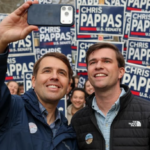
US – A blue wave, new faces — and a gay man heading to the Senate
Democrats have won back control of the US House and Senate in the 3 November
-
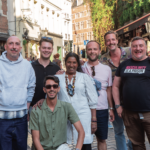
Brussels Rainbow Village: More Than a Night Out
Just steps from Brussels’ Grand Place, the Saint Jacques neighbourhood is a place to meet,
-
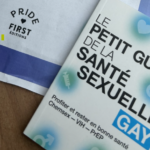
Pleasure, care and no lectures: a pocket guide to gay sexual health
Sexual health is about more than a test result. In Le Petit Guide de la
-

Mideterms Elections in US – The Closetocracy: when the closet becomes a question of power
The Closetocracy, now available on YouTube through The Young Turks, puts secrecy, sexuality and political
-

Beyond the rent rant: Bruscope puts Brussels life under the lens
Why does finding a home in Brussels feel so complicated? Who does the work that