
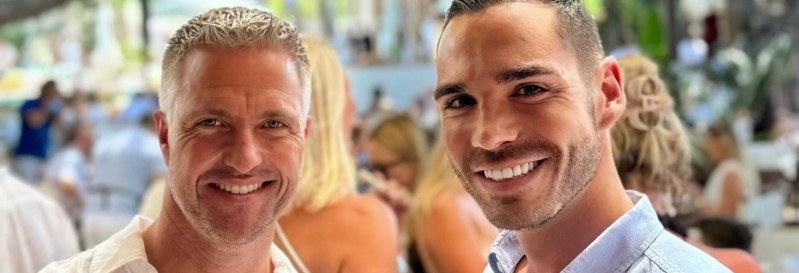
Former Formula 1 driver Ralf Schumacher is getting married to his partner, French politician Étienne Bousquet‑Cassagne – and he’s doing it just as the 2026 F1 season roars back to life. For queer motorsport fans in Brussels and beyond, it’s a rare moment where one of the sport’s big family names openly embodies LGBTQIA+ visibility in a discipline still dominated by macho branding and silence around queerness.
From closeted paddock to Insta coming‑out
Ralf Schumacher, younger brother of seven‑time world champion Michael Schumacher, raced in F1 between 1997 and 2007, winning six Grands Prix and becoming a familiar face in the paddock before moving into punditry for Sky Sports Germany. In July 2024, he quietly came out on Instagram, posting a sunset picture with Étienne and captioning it with a line about the beauty of finding the right partner to share life with.
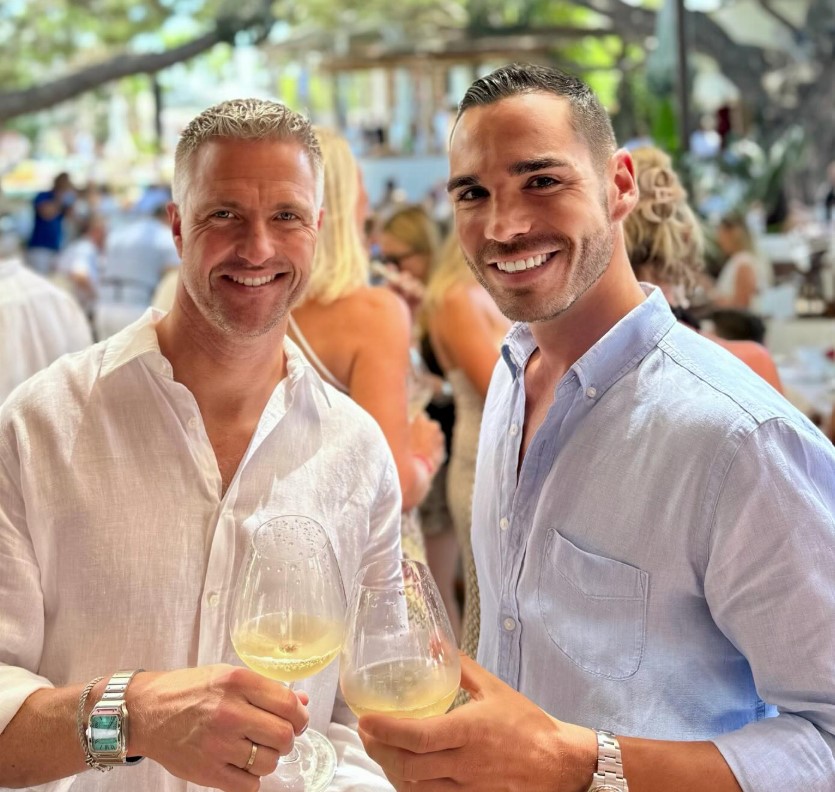
The reaction was mixed: queer fans and many in the media welcomed the gesture, while his ex‑wife Cora publicly called the coming‑out “a stab in the heart” and claimed she felt “used”, comments Ralf later dismissed as hurtful and misleading. Still, he did not walk back his post; instead, he kept appearing with Étienne in public, including trips to Saint‑Tropez where the couple were photographed together.
A three‑day gay wedding on the Riviera
In February 2026, multiple outlets confirmed that Ralf and Étienne are now officially engaged and preparing to marry later this year. Their joint Instagram statement reads: “We are pleased to confirm that Ralf Schumacher and his partner Étienne Bousquet‑Cassagne will be getting married. Both are delighted by the many kind congratulations they have received,” before asking for privacy.
German media report that the wedding will be a three‑day celebration in Saint‑Tropez in May 2026 – a very F1‑coded choice of location, mixing luxury, the Mediterranean and a certain old‑school glamour. For a man who once embodied a straight, married, hyper‑sponsored version of masculinity, publicly planning a big gay wedding with another man is more than a personal milestone; it is a cultural signal inside a sport that has struggled with queer visibility.
Useful reads on Ralf Schumacher’s engagement:
- Out Magazine: https://www.out.com/gay-athletes/ralf-schumacher-engaged-etienne-bousquet-cassagne
- PinkNews: https://www.thepinknews.com/2026/02/10/f1-icon-ralf-schumacher-to-marry-boyfriend-after-coming-out-as-gay
F1 2026: a new era on track
While Ralf prepares to walk down the aisle, the 2026 Formula 1 season is about to launch with a packed 24‑race calendar and new technical regulations that are supposed to make cars more sustainable and racing more competitive. Australia keeps the opening slot: the season starts in Melbourne on 8 March, followed by China, Japan and a Middle Eastern swing in Bahrain and Saudi Arabia.
The rest of the year brings the now‑classic mix of old circuits and new politics:
- A North American block with Miami and an earlier‑than‑usual Canadian Grand Prix in May, meant to make the calendar slightly more “sustainable”.
- A European summer with Monaco, Barcelona, Silverstone, Spa, Zandvoort and Monza still on the map, plus a new race in Madrid closing the European leg in September.
- A late‑season run of triple‑headers in the Americas and the Gulf, ending again in Las Vegas, Qatar and Abu Dhabi.
Full 2026 F1 calendar and start times:
- Official overview: https://racingnews365.com/formula-1-calendar-2026
- Sky Sports schedule breakdown: https://www.skysports.com/f1/news/12433/13381219
Why this story hits different for LGBTQIA+ fans
F1 has recently leaned into “We Race As One” branding and rainbow logos during Pride Month, but the paddock itself still has almost no openly queer male drivers, past or present. That’s what makes Ralf Schumacher’s journey significant:
- He is not a fringe figure but part of the Schumacher dynasty, with a long on‑track career and ongoing visibility as a TV commentator.
- His coming‑out and engagement rewrite the usual narrative of the retired straight family man into something openly queer, with a husband‑to‑be who is himself a public figure from French politics.
- His story arrives while a new generation of fans – younger, more diverse, very present on TikTok and in queer communities – is reshaping F1 fandom far from its traditional “boys and engines” image.
For LGBTQIA+ people who love motorsport, the message is simple: you don’t have to choose between being a F1 nerd and being out. The sport’s history is changing, slowly, and queerness is now part of that story.
Watching, cheering and queering F1 from Brussels
From Brussels, it’s easy to follow both the season and Ralf’s personal news:
- Official F1 site (news, standings, live timing):
https://www.formula1.com - Race calendar and results:
https://racingnews365.com/formula-1-calendar-2026 - Queer‑friendly coverage of Ralf Schumacher’s engagement:
Out Magazine – https://www.out.com
PinkNews – https://www.thepinknews.com
If you’re planning watch parties in Brussels – in queer bars, at RainbowHouse or in your shared living room – Ralf’s wedding year is a perfect excuse to make F1 a bit more gay. You can follow qualifying with one eye on lap times and the other on how long it takes before another driver, team member or media figure feels safe enough to come out too.
Contact us : info@ket.brussels
You may also like
-

Queer bodies, softcore and hardcore: Alban Ovanessian’s hardcore tours Liège, Lausanne and Horst
Queer choreographer Alban Ovanessian brings their intense, utopian performance hardcore to Lausanne and Liège this March, before
-

Kongi: Ancestry in Motion
Born in Kinshasa in a lively multigenerational home, they migrated first to Paris, then to
-

BREAKING FREE: Trans Icon Johan Jenny Ehrenberg Comes to Brussels
When a voice like Johan Jenny Ehrenberg’s reaches Brussels, it’s more than an event —
-
Ricky Corazon: Creating Latin Queer Space in Brussels
DJ and event producer Rodrigo Aranda, aka Ricky Corazón, takes us into his journey of
-

Antoine Delie: Turning Hate Into Harmony
There’s a moment, somewhere between the cracked voice and the held note, when Antoine Delie
