

Hungary has recognized registered partnerships for same-sex couples since 2010. While these partnerships stop short of full equality with marriage—particularly when it comes to adoption—they offer a way for LGBTQ+ couples to formalize their relationships in a country where legal and social acceptance remains limited.

Adrián and Peti, a Hungarian couple, illustrate the complexities of navigating this framework. Their relationship began like many others—a message on a dating app that led to late-night conversations and, eventually, a shared life. They built a home together in Hungary, balancing personal commitments with professional ambitions.
When Adrián was offered a job in Austria, the move presented new opportunities but also uncertainties. Austria’s recognition of same-sex marriage, however, allowed them to take a significant step in solidifying their partnership. The decision to marry wasn’t just personal; it simplified legal and financial matters, giving them a more secure foundation for the future.
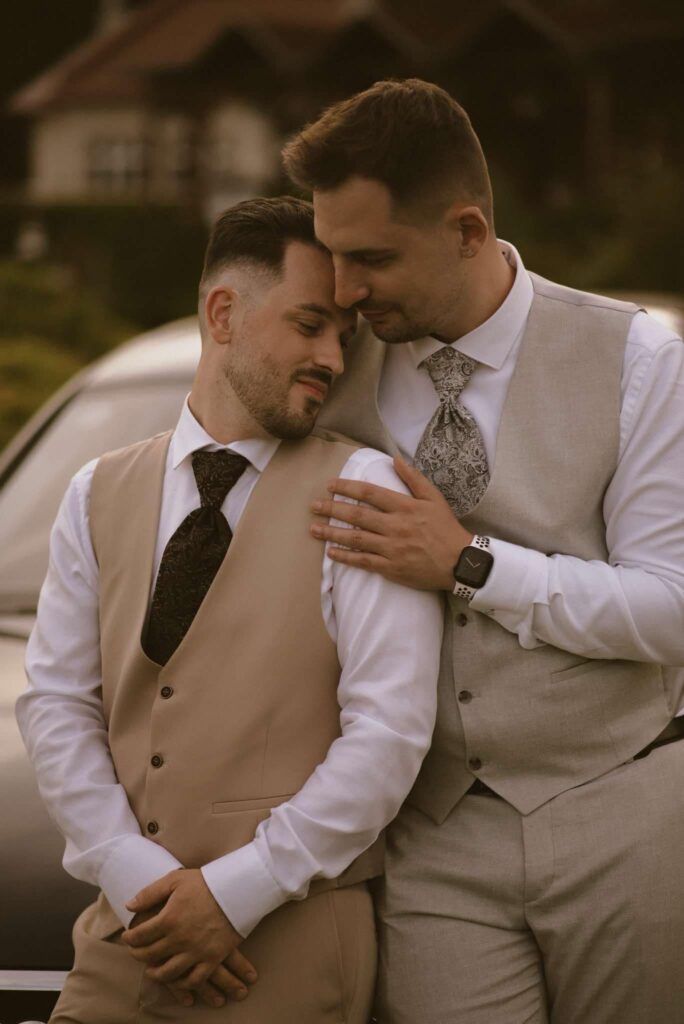
The wedding in Austria was a low-key affair, reflecting the straightforward administrative process for same-sex unions there. Back in Hungary, the couple hosted a larger celebration, where the mix of acceptance and unfamiliarity among guests highlighted the uneven social landscape LGBTQ+ people navigate in the country.
While their union has brought personal and practical stability, it also underscores broader disparities. Hungary’s refusal to recognize same-sex marriages performed abroad, for instance, complicates matters for couples like Adrián and Peti. Despite these challenges, they are focused on their next goal: opening a patisserie in Austria and building a life without the constant negotiation of legal and cultural barriers.
Their experience is a reminder that progress isn’t evenly distributed. While registered partnerships provide a foothold, full equality remains out of reach in Hungary. For same-sex couples, each step forward involves navigating a patchwork of rights, protections, and societal attitudes that vary widely—even within Europe.
By sharing their story, Adrián and Peti highlight both the gains and the gaps in LGBTQ+ rights. In doing so, they contribute to a broader conversation about what equality truly means and how far we still have to go.
This article was inspired by a story originally published on Humen Online, a leading platform highlighting LGBTQ+ experiences and perspectives in Hungary. Pictures of Adrián and Peti by Sipák Sára
You may also like
-
Pleasure, care and no lectures: a pocket guide to gay sexual health
Sexual health is about more than a test result. In Le Petit Guide de la
-

Mideterms Elections in US – The Closetocracy: when the closet becomes a question of power
The Closetocracy, now available on YouTube through The Young Turks, puts secrecy, sexuality and political
-

Beyond the rent rant: Bruscope puts Brussels life under the lens
Why does finding a home in Brussels feel so complicated? Who does the work that
-

At Liège’s Queer Families Festival, Every Family Has a Story
The third edition of the Queer Families Festival takes place on 11 October at the
-

“After”: Listening to LGBTQIA+ Survivors Speak About Intimate Partner Violence
On 8 October, Tels Quels invites people to Les Grands Carmes in central Brussels for