
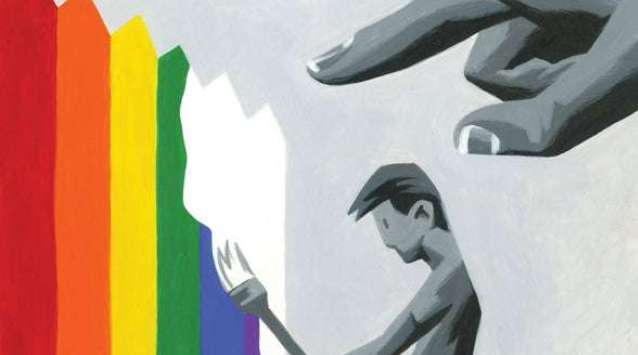
The Netherlands is taking a significant step towards banning harmful practices aimed at changing someone’s sexual orientation or gender identity. On January 28th, a petition with over 7,500 signatures was presented to the Dutch Parliament, calling for an end to conversion therapy. The initiative is led by Jacques Zonne, a survivor of such practices, alongside COC Nederland and eight other organizations.
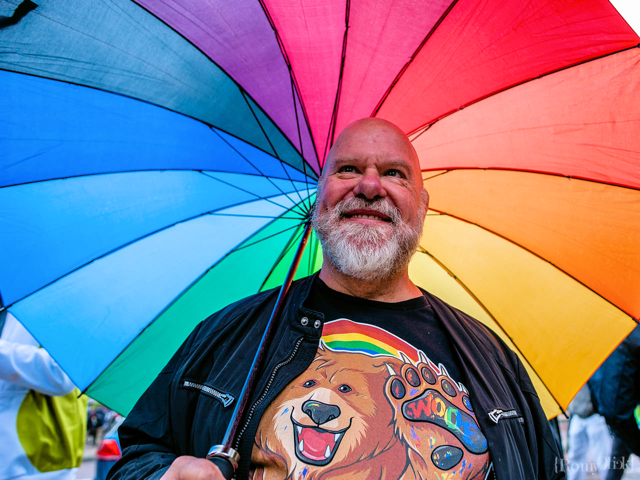
“Conversion therapy is a harmful myth,” says COC Chair Astrid Oosenbrug. “You are perfect as you are. These so-called therapies break people without changing who they are.”
A proposed law to ban conversion therapy will be discussed in February, supported by parties including D66, VVD, and GroenLinks. Similar bans already exist in countries like Germany, France, Canada, and New Zealand. Organizations such as the UN, the Council of Europe, and the European Parliament strongly advocate for this prohibition, which is also backed by the Dutch Psychiatric Association, citing severe mental health consequences for victims.
In the Netherlands, there are still around 15 active providers of conversion therapy, often rooted in conservative religious communities. Research shows these practices cause significant trauma, including depression, self-hatred, and suicidal thoughts. Survivors like Jacques Zonne emphasize the lifelong scars: “Your identity is torn apart. That trauma never fades.”
Belgium, France, and Germany have already banned conversion therapy, showing a growing European consensus to end these damaging practices. France’s law, passed in early 2022, imposes fines and jail sentences for practitioners. Germany has similarly outlawed conversion therapy for minors, while in Belgium, a 2023 law introduced severe penalties, including imprisonment and professional bans for offenders. Other European countries like Ireland, Finland, and Norway are working on similar legislation.
The Netherlands now has an opportunity to join these nations in protecting LGBTQ+ individuals from harm. It’s a reminder that everyone deserves to live as they are—free from coercion and discrimination.
This article was inspired by a story originally published on winq.nl, the dutch LGBTQIA+ magazine
You may also like
-
At Liège’s Queer Families Festival, Every Family Has a Story
The third edition of the Queer Families Festival takes place on 11 October at the
-
Türkiye’s LGBTQIA+ Community Faces a New Wave of Pressure
LGBTQIA+ people in Türkiye are living through a sharp escalation in state pressure: Pride events
-
Fiji Declares a National HIV Emergency — and the World Must Pay Attention
Fiji has declared a national HIV emergency after a dramatic rise in diagnoses: 2,016 people
-
“After”: Listening to LGBTQIA+ Survivors Speak About Intimate Partner Violence
On 8 October, Tels Quels invites people to Les Grands Carmes in central Brussels for
-

Balkan Trafik! Turns Brussels’ Bourse into a Three-Day Balkan Universe
After a year away, Balkan Trafik! returns to Brussels from 19 to 21 November 2026