


In a troubling turn, Amazon has quietly removed several of its public commitments to equity for Black employees and LGBTQ+ rights. These changes, made without fanfare, include scrapping pledges to support gender-affirming care and protections for transgender workers, as well as policies addressing systemic racism.
Previously, Amazon highlighted its efforts to combat racial bias and support anti-discrimination legislation. It also provided detailed outlines of transgender health care benefits. These pages have now vanished, replaced by vague language around “inclusive experiences and technology.”
A company spokesperson explained the updates as routine, but this shift mirrors a growing trend among U.S. corporations. In the past year, companies like Meta, McDonald’s, and Ford have scaled back Diversity, Equity, and Inclusion (DEI) programs under pressure from conservative voices.
For many in the queer and Black communities, these rollbacks feel like erasures of hard-won progress. Amazon, a frequent participant in Pride events, now risks alienating marginalized workers and allies by stepping away from its previous commitments.
As conservative forces continue to push back on equity initiatives, the question remains: how will companies like Amazon rebuild trust with the communities they claim to serve?
You may also like
-
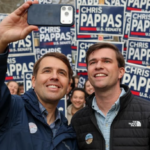
US – A blue wave, new faces — and a gay man heading to the Senate
Democrats have won back control of the US House and Senate in the 3 November
-

A berth, not a boarding gate: European Sleeper’s €40 escape plan
An end-of-year getaway does not have to begin at the airport. European Sleeper is advertising
-

Thirty-seven and still dancing: La Demence opens its birthday weekend at Fuse
La Demence turns 37 with three nights in Brussels, beginning at Fuse on Friday 30
-

Türkiye’s LGBTQIA+ Community Faces a New Wave of Pressure
LGBTQIA+ people in Türkiye are living through a sharp escalation in state pressure: Pride events
-

Fiji Declares a National HIV Emergency — and the World Must Pay Attention
Fiji has declared a national HIV emergency after a dramatic rise in diagnoses: 2,016 people