

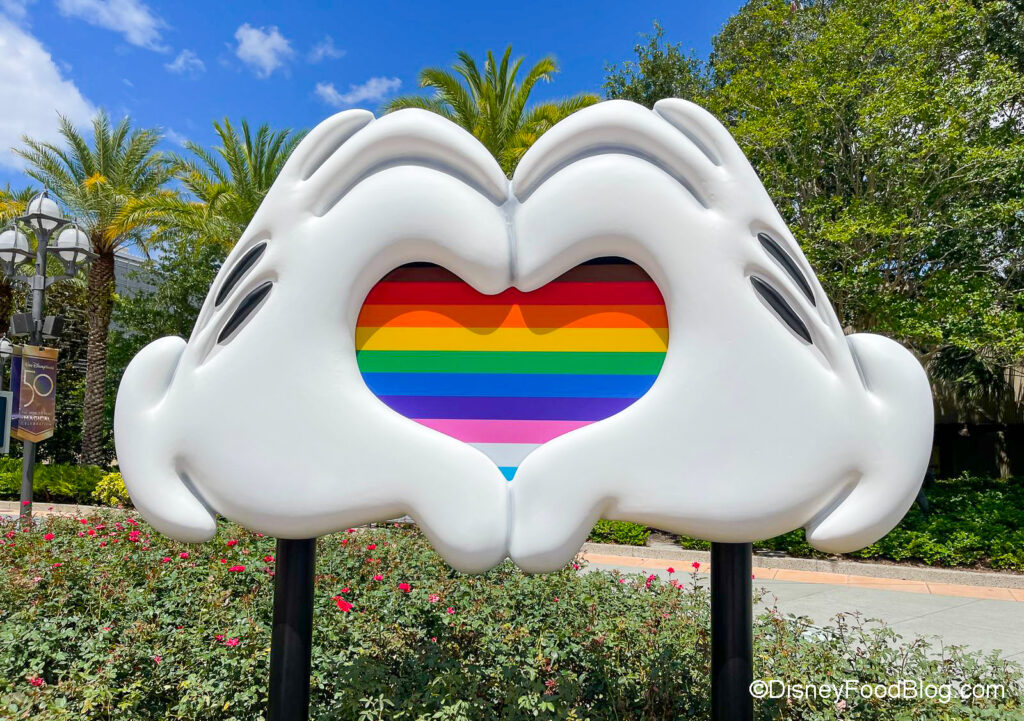
Disney appears to be pulling back from its Diversity, Equity, and Inclusion (DEI) commitments. In its latest annual SEC filing for the fiscal year ending September 30, 2024, the company removed two key DEI programs from its report.
One of them is “Reimagine Tomorrow”, Disney’s platform designed to amplify underrepresented voices. While the website remains online, its omission from the official filing raises questions about its future.
Also dropped are the “Disney Look” appearance guidelines, which were updated in 2023 to promote inclusivity and allow employees to express their identities more freely. Their removal suggests a shift away from these efforts.

This move follows a broader trend of companies scaling back DEI initiatives, amid political pressure and shifting corporate priorities. With Disney facing declining streaming subscriptions and economic challenges, the company may be prioritizing investor confidence over inclusivity.
For a brand that has long championed diversity, this rollback could have significant implications—especially for its LGBTQIA+ audience, which has looked to Disney for representation both on and off screen. Will Disney continue to stand for inclusion, or is this the start of a retreat?
You may also like
-

Protection for Everybody: a digital statement for safer, more inclusive spaces
Protection for Everybody presents itself as a clear, purpose-driven initiative focused on protection and safety for
-

State-sponsored discos? Lithuania’s cheeky bid to boost the birth rate
Lithuania is taking an unusually nightlife-friendly approach to its demographic crisis, floating the idea of
-

Colombia: Catholic Leader Washes Trans Sex Workers’ Feet in Historic Act of Inclusion
In Colombia, a powerful moment unfolded that reached far beyond church walls. The country’s highest
-

Ignacio Lago makes history in Argentina: Colón winger becomes the first active male pro to come out
Argentine winger Ignacio “Nacho” Lago has made history by becoming the first active professional male footballer in Argentina to
-

From the United States comes another alarming blow for LGBTQ+ rights
The latest news from the United States is deeply worrying for LGBTQ+ people and their