
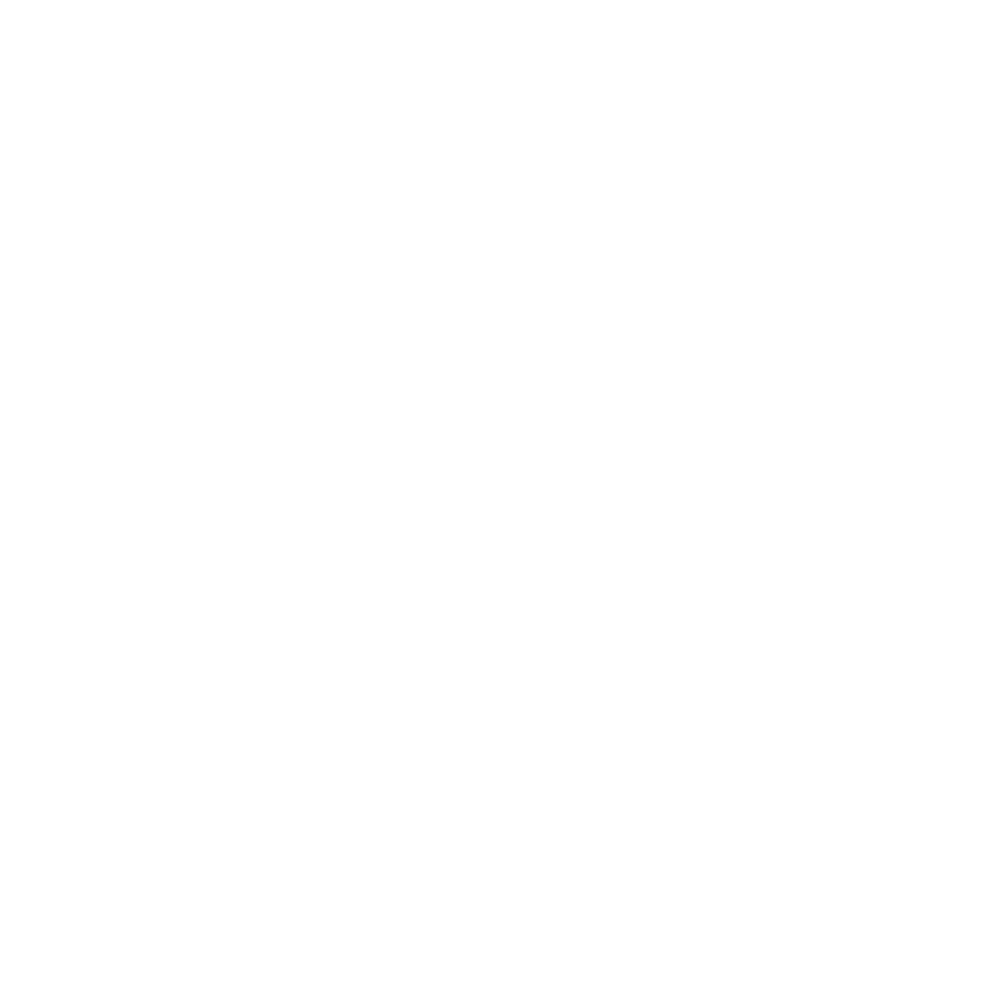

Every June, rainbow flags bloom across office lobbies and corporate LinkedIn feeds. But once Pride month fades, what remains? According to a recent IFOP survey, while 91% of French employees agree that LGBTQ+ people face difficulties of inclusion, only a fraction feel their workplace truly reflects the values displayed in those colourful campaigns.
Conducted among a representative sample of 1,001 private-sector employees, the study reveals a sobering picture: 84% believe LGBTQ+ people still experience exclusion at work, a number that rises to 87% among employees in large companies. For younger workers and those who identify as LGBTQ+ themselves, the feeling is even stronger — nearly one in three say these difficulties occur “often.”
Behind these numbers lies a crucial question: are companies truly creating safer, more inclusive environments, or simply managing their public image? Inclusion cannot stop at visibility. It means building spaces where everyone can exist without fear of judgement, where difference is not tolerated but valued, and where queer people are present at every level of decision-making.
The survey also highlights that change doesn’t rest on companies alone. For 77% of respondents, associations have a key role to play, alongside public institutions and local governments. Still, 70% of all employees — and 78% of LGBTQ+ respondents — believe that companies carry a special responsibility in shaping inclusive cultures.
True progress, then, depends on everyday actions: inclusive language, fair policies, respectful listening, and the courage to challenge bias. Pride doesn’t end in July — it continues in team meetings, recruitment decisions, and coffee breaks where people feel safe to be themselves.
Inclusion isn’t a marketing strategy; it’s a shared promise. When workplaces move beyond symbolic gestures to embrace real diversity, everyone wins — not only LGBTQ+ people, but entire teams that learn to thrive through authenticity and trust. That’s how we turn visibility into belonging.
More info: www.ifop.com
You may also like
-
Protection for Everybody: a digital statement for safer, more inclusive spaces
Protection for Everybody presents itself as a clear, purpose-driven initiative focused on protection and safety for
-

State-sponsored discos? Lithuania’s cheeky bid to boost the birth rate
Lithuania is taking an unusually nightlife-friendly approach to its demographic crisis, floating the idea of
-
Colombia: Catholic Leader Washes Trans Sex Workers’ Feet in Historic Act of Inclusion
In Colombia, a powerful moment unfolded that reached far beyond church walls. The country’s highest
-

Ignacio Lago makes history in Argentina: Colón winger becomes the first active male pro to come out
Argentine winger Ignacio “Nacho” Lago has made history by becoming the first active professional male footballer in Argentina to
-

From the United States comes another alarming blow for LGBTQ+ rights
The latest news from the United States is deeply worrying for LGBTQ+ people and their