
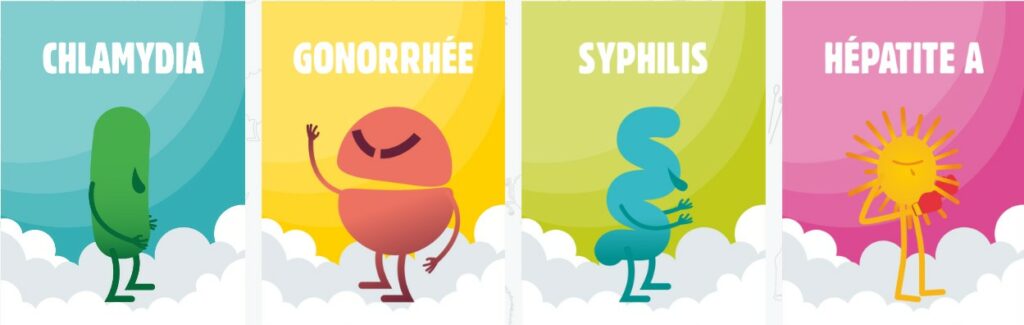
From November 17 to 24, residents of Wallonia and Brussels can access free testing for sexually transmitted infections (STIs) during the European Testing Week—a public health initiative designed to encourage widespread and regular screening. The campaign is organized with the support of prominent organizations like O’Yes asbl, which works in health education and prevention.
What Is Testing Week?
Testing Week is part of the annual European initiative to promote awareness, screening, and prevention of STIs, including HIV, chlamydia, syphilis, and gonorrhea. These infections are on the rise in Belgium both among heterosexual populations and men who have sex with men (MSM), as reported by Sciensano, Belgium’s public health institute.
Why Participate?
- Many STIs can show no symptoms; regular testing helps protect your own health and that of your partners.
- Using prevention, such as condoms, significantly reduces risk, yet no single method is 100% effective.
- Latest surveys show that 38% of those aged 20-29 do not consistently use condoms, making it vital to encourage regular screening—especially among young people, who are especially affected.
- Without prompt diagnosis and adequate care, STIs can lead to serious health complications.
When and Where?
Free testing is available at multiple locations—from community organizations to health centers—across Wallonia and Brussels. Many centers extend their testing services beyond the official dates.
- Complete list of testing sites and times
- Brussels sites
- Brabant Wallon
- Hainaut
- Namur
- Liège
- Luxembourg
You can also request screenings year-round from family doctors, sexual health clinics, and specialist HIV/STI centers:
Key Resources & Partners
Associations like exaequo, plateforme prévention sida, aide info sida and more are offering additional free testing events throughout the region.
- Official information on STIs and screenings
- Read more: How RTBF selects information
- O’Yes asbl
- Sciensano STI report
- Young people & STI awareness
Why STI Testing Matters
The European Testing Week is a chance to talk about HIV and other STIs, get tested if you haven’t done so recently, and share information with friends and health professionals. Even if you always use protection and have no symptoms, it’s possible to carry an STI without knowing it. Regular testing is a crucial component of a comprehensive prevention strategy—protecting not only yourself but also your wider community.

You may also like
-

Mothers and Daughters: calling for memories, building a collective queer archive
Mothers and Daughters, Brussels’ beloved lesbian & trans bar and art space, is looking back on
-

“The LGBT Lobby” Is a Lie: Why This Old Fantasist Myth Still Fuels Real Violence
For decades, anti-LGBT+ voices have recycled the same tired story: that queer people form a
-

Say cheese! Rainbowfriends hosts a cozy Wine & Cheese Night this April
Looking for a chill evening filled with flavour and friendship? On April 26, 2026, the LGBTQ+ community
-

Portugal set to roll back trans self-determination law: what’s at stake?
Portugal, long seen as a frontrunner on trans rights in Europe, is on the verge
-

Ten Years After the Brussels Attacks, a City – and Its Queer Community – Still Carry the Shock
Ten years after the 22 March 2016 bombings at Brussels Airport and Maelbeek metro station,
