

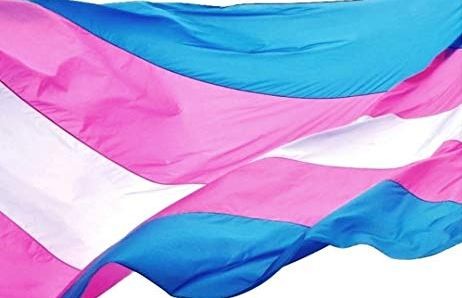
Transgender and non-binary people in Belgium continue to face significant levels of discrimination because of their gender identity, according to a new study by the Institute for the Equality of Women and Men (IEFH). Released on Thursday to mark the International Transgender Day of Remembrance, the report highlights persistent barriers in healthcare, employment, and everyday life.
The study—IEFH’s third major survey on the situation of trans people in Belgium—gathered responses from 975 participants, 38.8% of whom identified as non-binary. More than eight in ten respondents said they had faced discrimination in the past two years. The most frequent settings included online spaces (51.4%), healthcare (39.4%), and job-seeking (36.6%).
Health outcomes are also a major concern: only 55% of respondents described their health as good or very good, compared with 77% in the general population, based on Belgium’s 2018 national health survey.
Barriers in Healthcare
Experiences of discrimination in healthcare are widespread and often distressing. The most frequently cited issues include being misgendered (56%), intrusive curiosity about one’s identity or body (30%), and administrative difficulties such as inappropriate documentation (24%).
The report finds that certain groups are especially vulnerable—people living in the Brussels-Capital Region, those with disabilities, those under financial stress, and members of ethnic or cultural minorities. Access to gender-related healthcare remains hampered by long waiting lists, high costs, and fear of negative reactions from providers or institutions.
Low Reporting of Discrimination
Despite the high rate of discrimination, only 8.6% of those who experienced mistreatment reported filing an official complaint. “These results underscore the urgent need to take action to ensure equality of rights and access to appropriate care,” said IEFH director Michel Pasteel in a press statement.
The study follows earlier national surveys published in 2012 and 2017 and serves as an updated snapshot of the daily challenges faced by Belgium’s trans and non-binary communities. The IEFH calls for concrete policy measures—including better training for healthcare professionals, improved access to gender-affirming care, and stronger protections against discrimination in employment and digital spaces.
Useful links
UN Free & Equal campaign on trans rights: https://unfe.org
Institute for the Equality of Women and Men (IEFH): https://igvm-iefh.belgium.be/en
Full report (in French and Dutch): IEFH study on transgender people 2025
Transgender Day of Remembrance Belgium: https://tdor.transgender.eu
You may also like
-

Protection for Everybody: a digital statement for safer, more inclusive spaces
Protection for Everybody presents itself as a clear, purpose-driven initiative focused on protection and safety for
-

From the United States comes another alarming blow for LGBTQ+ rights
The latest news from the United States is deeply worrying for LGBTQ+ people and their
-

RainbowHouse opens call for projects for Brussels Pride Week 2026
RainbowHouse Brussels has launched its call for projects for Brussels Pride Week 2026, inviting associations, collectives, artists
-

Matrimiel: an Ixelles festival celebrating women’s know-how and intergenerational transmission
From 8 to 10 May 2026, the Abbaye de la Cambre in Ixelles will host Matrimiel,
-

Mothers and Daughters: calling for memories, building a collective queer archive
Mothers and Daughters, Brussels’ beloved lesbian & trans bar and art space, is looking back on