Hungary’s LGBTQIA+ community is once again at the centre of a political storm. Hungarian police have proposed charges against Budapest’s mayor, Gergely Karácsony, over his role in organising this year’s Pride march — an event officially banned under a new “child protection” law.
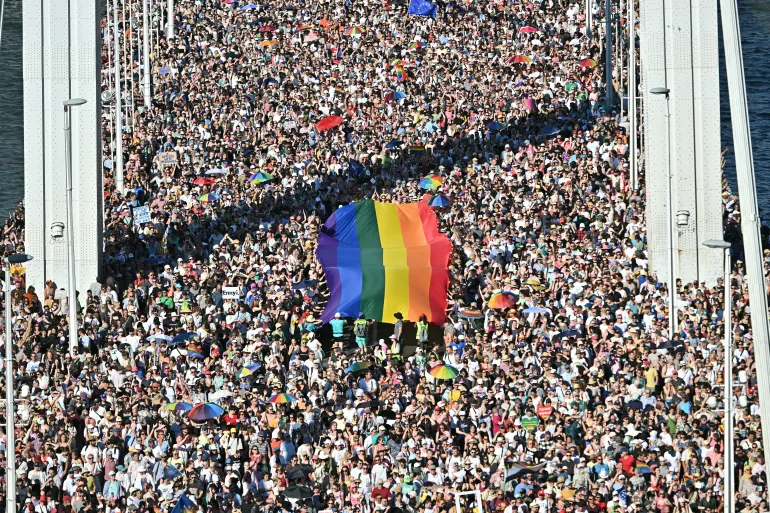
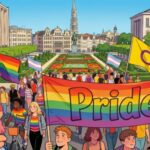
Despite the ban, tens of thousands of people marched through Budapest on June 28 after Karácsony declared Pride a municipal event, arguing it did not require police authorisation. The march remained peaceful and quickly grew into one of the largest public demonstrations Hungary has seen in years, blending queer visibility with broader calls for democratic freedom.
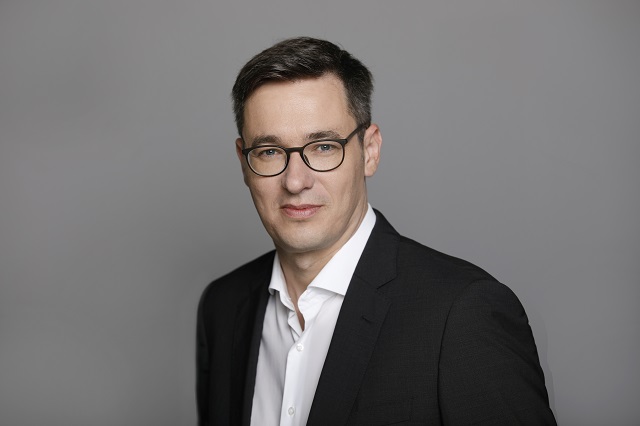
If prosecutors move forward, Karácsony could face up to a year in prison for enabling and encouraging participation in the march. He has responded defiantly, saying he is proud to have taken political risks for the freedom of his city and its people.
Human rights groups, including ILGA-Europe, warn that the case signals a dangerous misuse of assembly laws and a shrinking space for peaceful protest, not only for LGBTQIA+ people, but for anyone who challenges the government. Hungary has dropped further on Europe’s Rainbow Map, reflecting growing legal and social pressure on queer communities.
For LGBTQIA+ people across Europe, the message is clear: Pride remains a powerful act of visibility and, in some places, an act of resistance. What happened in Budapest is not just Hungarian news. It’s a reminder that the right to gather, celebrate, and exist openly can never be taken for granted.
You may also like
-

Sing It Queer: open your home (and your city) to 4,000 LGBTQI+ voices
From 24 to 28 June 2026, Various Voices Brussels 2026 will turn the capital into
-

Poland’s Supreme Administrative Court Recognises Same-Sex Marriages from Other EU Countries
A major step for LGBTQ+ rights in Eastern Europe: on Friday, Poland’s Supreme Administrative Court (NSA)
-

The Cruise 2027: Ready to Sail into Queer Paradise?
From July 15th to 24th, 2027, The Cruise is back on board the spectacular Celebrity Equinox for
-
Ten Years After the Brussels Attacks, a City – and Its Queer Community – Still Carry the Shock
Ten years after the 22 March 2016 bombings at Brussels Airport and Maelbeek metro station,
-
Brussels Pride: from Gay Pride to Belgian Pride to a city that owns its colors
In 30 years, Brussels has gone from a small “Gay Pride” marched by a few
