
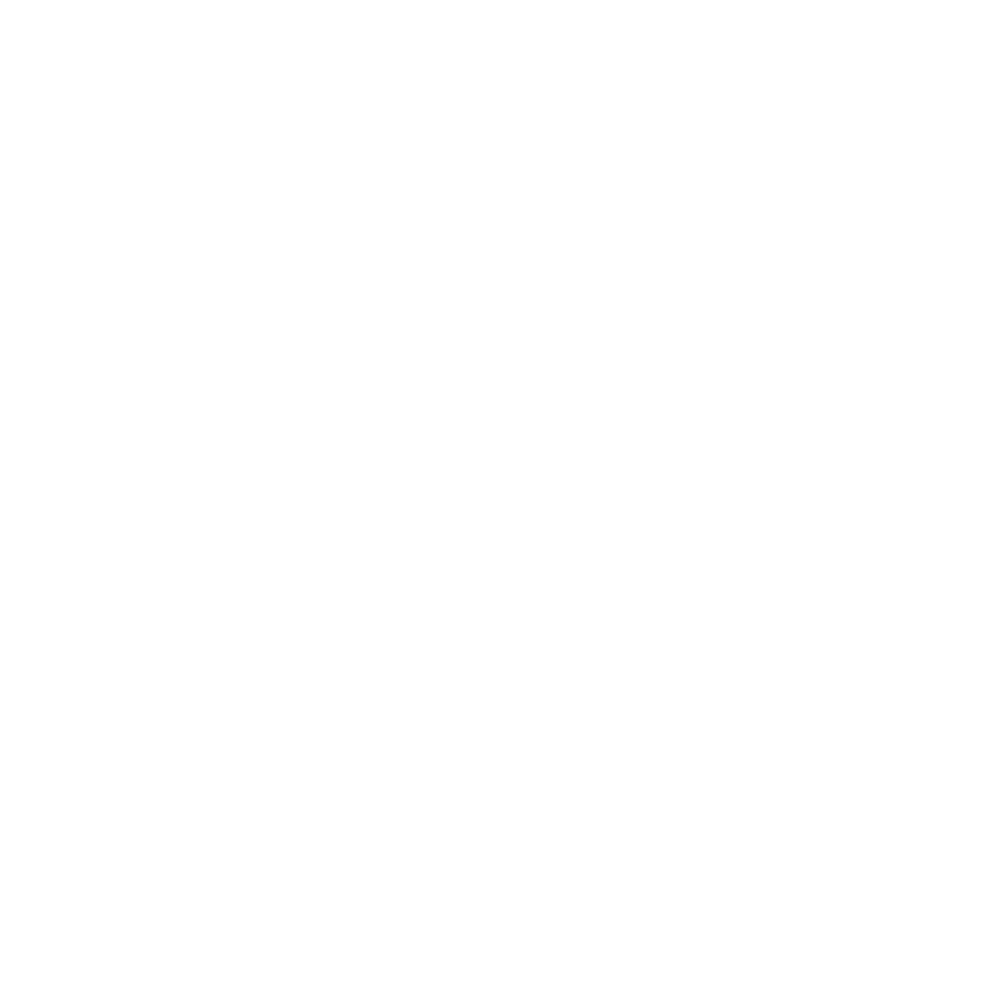
From 3 to 6 April, BRDCST 2026 takes over Ancienne Belgique and spills into Cinema Palace and the Vanhaerents Art Collection, with nearly 50 artists and three new spaces opening ahead of AB’s full reopening. Curated in part by Ichiko Aoba, Keeley Forsyth and Stephen O’Malley (Sunn O))))), the festival doubles down on its core promise: no algorithms, no trends – just music that pushes boundaries, including plenty that resonates with queer, experimental and diasporic communities.
BRDCST describes itself as AB’s annual indoor festival “where musical boundaries are left behind”, and the 2026 edition takes that mission seriously. Across four days, the programme pulls together artists from Iceland, South Korea, Japan, Ireland, Iran, Kenya, Bolivia, Morocco, South Africa and beyond, creating a soundmap that feels much closer to a global underground than to a typical European spring festival. Events are spread across AB’s different rooms, a freshly upgraded AB Salon, the new AB Antenna, arthouse Cinema Palace and the industrial‑chic Vanhaerents Art Collection, temporarily turning the city centre into a dense network of listening rooms.
This year, three artists act as curators: Japanese songwriter Ichiko Aoba, British multidisciplinary performer Keeley Forsyth and drone legend Stephen O’Malley from Sunn O))))). Each of them invites their own constellation of guests, from Icelandic theremin player Hekla to Galician bagpiper Carme López, Irish violinist Ultan O’Brien and Belgian outfit Klinck Trio, who bring their debut album My Hair Is Everywhere. It is an approach that trusts artists’ communities more than marketing categories: if you come for one name, you are almost guaranteed to fall in love with two or three others you had never heard of.
For queer and queer‑adjacent audiences, a key focal point is Los Thuthanaka, closing BRDCST 2026 with what AB calls one of the most radical records of recent years. The project of American‑Bolivian artist Chuquimamani‑Condori (also known as Elysia Crampton) and Joshua Chuquimia Crampton, Los Thuthanaka fuses electronic experimentation with Andean folklore, indigenous Bolivian heritage and unapologetic queer celebration. Their self‑titled debut skipped the usual streaming platforms, yet still ended up as Pitchfork’s Album of the Year, with Resident Advisor calling it “a fucking trip… One that might forecast the future of electronic music”. Seeing that future close a festival like BRDCST, in a city like Brussels, feels significant.
Elsewhere on the line‑up, BRDCST leans into artists whose work blurs intimacy, noise, club pressure and experimental pop in ways that will speak to many LGBTQI+ listeners. james K presents her critically acclaimed album with a live band for the first time in Belgium, bringing a slow‑burn mix of trip‑hop, shoegaze, art‑pop and experimental electronics often compared to Caroline Polachek pushed into stranger territories. There is also a special residency by Fenne Kuppens (Whispering Sons), who develops new solo material over five days and premieres it at the festival – another sign that BRDCST is less about booking tours and more about giving artists room to experiment.
Beyond the concert halls, the choice of locations is part of the experience. AB Salon and AB Antenna, temporarily opened ahead of AB’s full relaunch, offer intimate settings with carefully tuned sound and small capacities, ideal for fragile sets, drones and deep listening sessions. At Vanhaerents Art Collection, audiences move between performances and works by Damien Hirst, Cindy Sherman, David Hockney, Jeff Koons and more, blurring the line between exhibition visit and festival night. It is an environment where queerness might not always be explicit, but where weird, non‑normative aesthetics and bodies of work feel very much at home.
For Brussels‑based queers used to club nights, drag shows and pop parties, BRDCST offers something different: four days to listen more slowly, sit with uncomfortable sounds, and explore line‑ups where queer, trans and racialised artists are not ghettoised in “LGBT corners” but woven into the festival’s core narrative. In a cultural landscape increasingly driven by algorithm‑friendly bookings, there is something quietly radical about a festival that still uses “our heartbeat” as its only benchmark and treats risk as a feature, not a bug.
All practical information and tickets are available via the visit.brussels agenda page and the festival’s own website:
Event page (dates, venues, access):
https://www.visit.brussels/fr/visiteurs/agenda/event-detail.BRDCST-2026.587034
Official site & full line‑up:
https://www.brdcstfestival.be
KET Magazine is a community‑driven, non‑profit magazine run by volunteers based in Brussels. Get in touch to share your thoughts or tell us about your activities. You can also promote your events on our website or support our work with a donation. Contact us at Info@ket.brussels.
You may also like
-
Endless Summer Camp: Scout Rules Meet Queer Desire at Balsamine
Summer might be over, but Sophie Guisset has other plans. From 19 to 28 November
-
Escher in Brussels: Who Said Reality Had to Behave?
Staircases refuse to play by the rules, birds become fish, and two hands draw each
-
When Nuns Go Pirate: A Queer Sacred Thriller at Varia
What happens when lesbian love, religious memory and horror theatre enter a locked convent—and refuse
-
KET in Paris — Le Hasard Ludique, Where the Tracks Lead to Music
For this stop in our KET in Paris series, we visited Le Hasard Ludique, a
-

Eli Is Bringing Her Colourful Pop Universe to Brussels
American singer-songwriter Eli is heading to Brussels this autumn for an intimate show at the