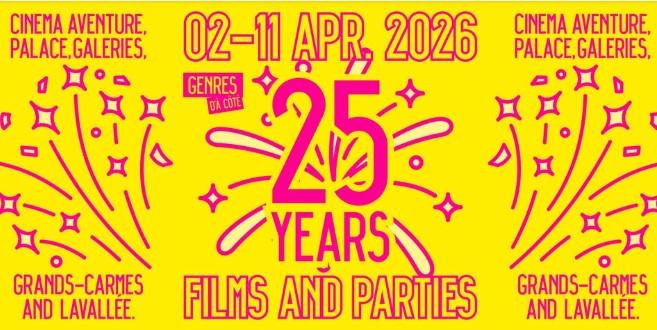
For more than two decades, Brussels’ Pink Screens Film Festival has been twisting cinema into a playground for queer, feminist and trans stories that don’t fit the norm. Run by the volunteer‑powered collective Genres d’à côté, this unapologetically alternative festival turns the big screen into a space to explore non‑normative sexualities and genders – and to joyfully dismantle the usual binaries along the way.
Queer cinema as a monthly ritual
At the heart of Genres d’à côté’s work is a long‑running cine‑club, hosted every first Thursday of the month at Cinéma Aventure, in the Galerie du Centre in downtown Brussels. The idea is simple and radical at the same time: fill a commercial cinema with “drôles de genres” – gay, lesbian, queer, trans, feminist – and use film as a tool to explore minoritised sexualities and ways of living.
Instead of re‑playing the same classics, the team focuses on very recent titles, often unreleased or barely shown in Belgium, with a taste for surprise, risk‑taking and formal experimentation. Screenings sometimes travel beyond Aventure through decentralised events, carrying the Pink Screens energy into other venues and neighbourhoods.
Ten days of Pink Screens every year
One film a month wasn’t enough, so Genres d’à côté launched the Pink Screens Film Festival: ten days each year of full‑on queer cinema, exhibitions and parties, including the now‑legendary closing Pink Night. Each edition takes over the iconic alternative venue Cinéma Nova, which literally dresses up in festival colours and offers the technical freedom needed for an anything‑goes programme, from micro‑budget shorts to wild experimental formats.
Pink Screens is all about cracking open binaries: woman/man, masculine/feminine, straight/queer, “gouines/pédés”, trans/cis. Across shorts and features, fiction, documentary and experimental works from Belgium and beyond, the festival deliberately mixes high production values with disorienting, cheeky, low‑budget gems that refuse to play nice with dominant narratives.
More than a festival: debates, bars and “gueulantes”
Genres d’à côté doesn’t disappear between festival editions. Throughout the year, the collective extends conversations sparked by films through “gueulantes” – open, horizontal café‑debates where the floor belongs to the public. A facilitator simply gets things started; then it’s the room, with all its moods, bad faith, tenderness and identities, that shapes the discussion, under a basic rule: respect and good vibes.
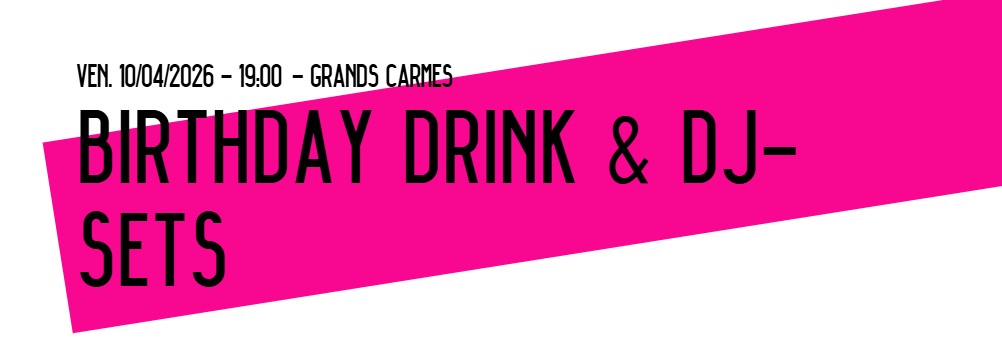
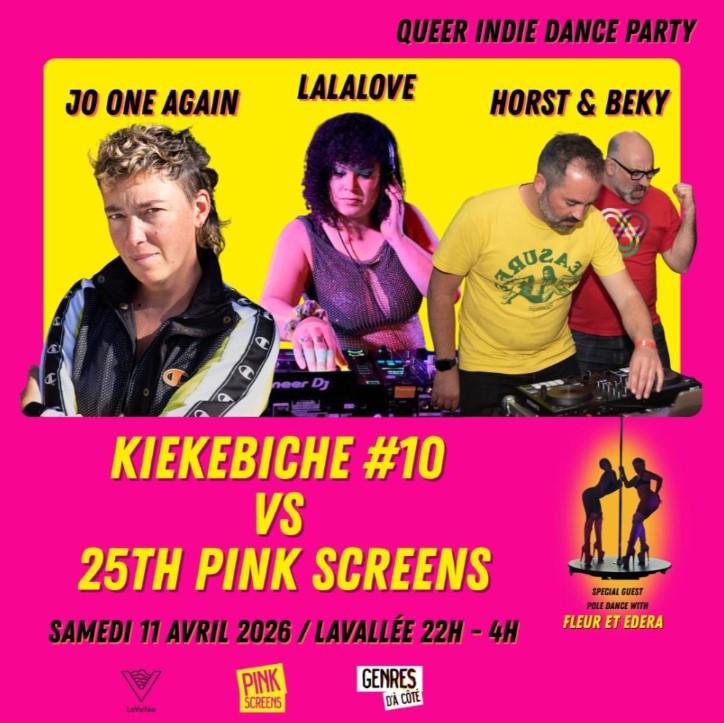
On the second Saturday of each month, the association also runs its own bar at Maison Arc‑en‑Ciel de Bruxelles, offering drinks in a rotating musical atmosphere – from alternative pop‑rock and italodisco to hip‑hop and riot grrrl vibes. Behind all this is a 100% volunteer team from very diverse backgrounds, whose contagious energy is part of what makes Pink Screens feel less like a “programmed event” and more like a living, evolving queer community project.
KET Magazine is a community‑driven, non‑profit magazine run by volunteers based in Brussels. Get in touch to share your thoughts or tell us about your activities. You can also promote your events on our website or support our work with a donation. Contact us at Info@ket.brussels.
You may also like
-

FLB 2026: Brussels’ book festival brings Amélie Nothomb, Sapkowski, Maïa Mazaurette & more to Tour & Taxis
FLB – la Foire du Livre de Bruxelles – is getting ready to turn Tour
-

The Tunnels 2026: Brussels goes fully underground with Listen Festival & Hangar
Brussels is about to turn one of its busiest traffic arteries into a massive rave
-

My Own Private Idaho: the queer road movie that changed everything (and came with a dream cast)
Long before “mainstream” cinema dared to centre queer hustlers, chosen family and unrequited love between
-

BRDCST 2026: Brussels’ most genre‑fluid festival turns listening into a political act
From 3 to 6 April, BRDCST 2026 takes over Ancienne Belgique and spills into Cinema
-

Brussels Pride: from Gay Pride to Belgian Pride to a city that owns its colors
In 30 years, Brussels has gone from a small “Gay Pride” marched by a few
