
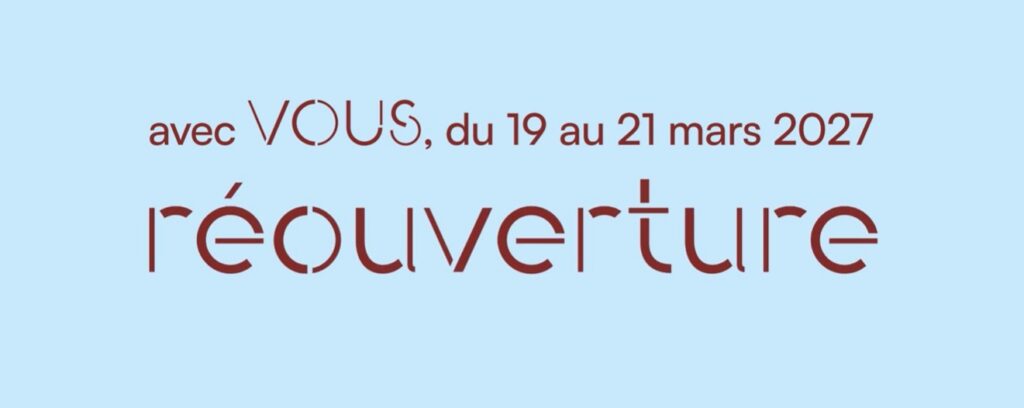
After years wrapped in scaffolding and anticipation, the Musée d’Ixelles / Ixelles Museum is finally reopening its doors with a festive weekend from 19 to 21 March 2027. The renovated museum promises more space, better energy performance and a refreshed vision that connects its historic collection to today’s Brussels and its diverse communities.
A 135‑year‑old love story with Belgian art
Founded almost 135 years ago, the Ixelles Museum holds one of the most important collections dedicated to Belgian art from the 19th century to today. With nearly 15,000 works – paintings, sculptures, drawings, prints, posters, photographs, videos and installations – the museum offers a sweeping view of more than two centuries of artistic experimentation, with Belgian modernity as its main thread.
The reopening is not just about showing masterpieces again; it’s about re‑reading them. The museum explicitly wants to treat its collection as a living space for dialogue and reinterpretation, where heritage can meet contemporary practices, new narratives and underrepresented perspectives.
Reopening as reconnecting
“Reopening means reconnecting” could be the motto of this new chapter. The museum intends to bridge:
- a rich past with a shifting present
- a recognised public collection with living, contemporary practices
- a strong local anchoring in Ixelles with national and international perspectives.
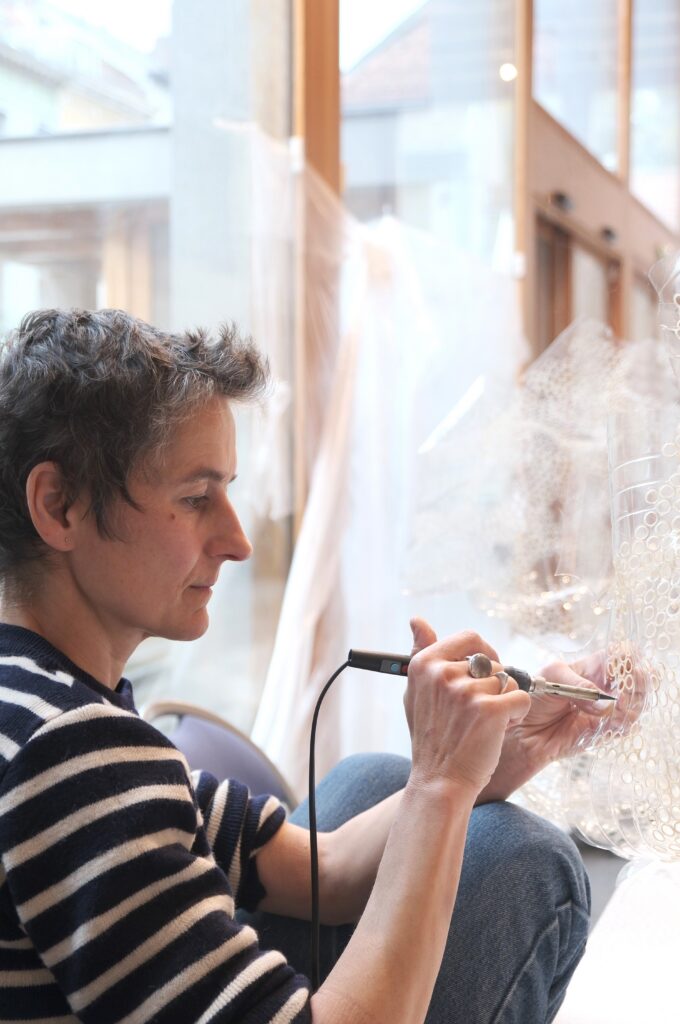
Tatiana Wolska (c) Musée d’Ixelles
Upcoming exhibitions will mix collection displays, thematic shows and invitations to contemporary artists, aiming to make older works resonate with today’s aesthetic and social questions – from how we look at gender and bodies to how we think about communities and public space.
Read also : Ixelles Artists’ Trail: A Celebration Of Culture And Creativity
A human‑scale, accessible museum
The Ixelles Museum has always been known as a human‑scale institution, close to artists and audiences. With the reopening, it doubles down on that approach: careful welcome, tailored mediation for different publics, and a stronger focus on accessibility and plurality of viewpoints.
This means more than ramps and captions: it’s about recognising that not everyone enters a museum with the same cultural codes, language, or sense of belonging – and actively working to make the space feel like a shared, welcoming environment, including for Brussels’ LGBTQIA+ communities and other often‑ignored audiences.
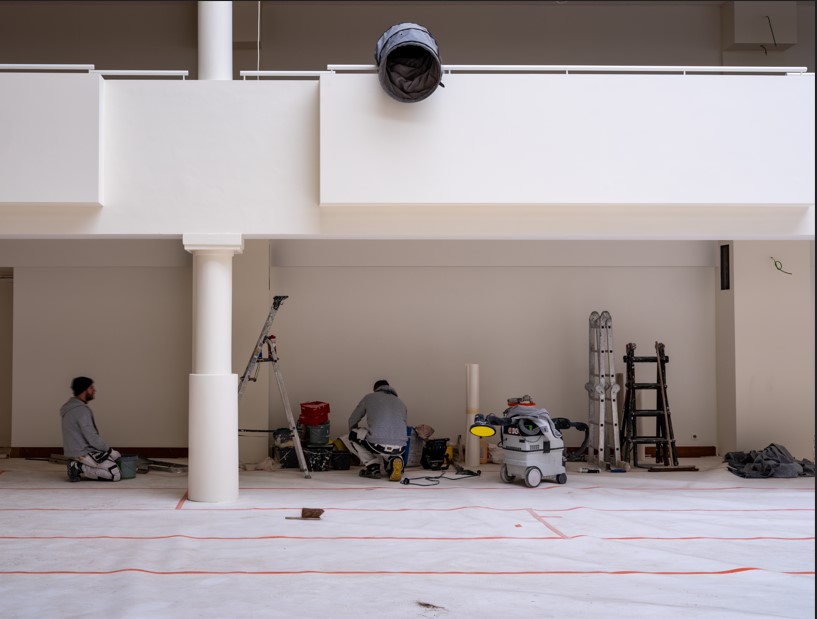
Photo : Vincent Everarts
A public institution with a clear stance
Through this reopening, the Musée d’Ixelles renews its social contract: it positions itself as a public institution that is proud of its collection, engaged with contemporary creation and attentive to the social issues that shape Brussels today.
In a city where many queer, feminist and decolonial voices are pushing big institutions to question their stories, the new Ixelles Museum wants to be a place where discovering art also means feeling, questioning and sharing collectively. A living, human, accessible museum – right in the heart of 1050.
Practical info
Ixelles Museum / Musée d’Ixelles
Rue Jean Van Volsem 71, 1050 Brussels
Reopening weekend: 19–21 March 2027
More info: museedixelles.be
KET Magazine is a community‑driven, non‑profit magazine run by volunteers based in Brussels. Get in touch to share your thoughts or tell us about your activities. You can also promote your events on our website or support our work with a donation. Contact us at Info@ket.brussels.
You may also like
-

Vigilante: When Justice Turns Into a Trap
What happens when someone loses faith in the institutions meant to protect us — and
-

Can You Prove You’re in Love?
What happens when a queer relationship becomes an administrative test? In Dansen met mijn ex
-

Dolly Parton: The Rhinestone Queen Who Made Space for Us
Dolly Parton has died at the age of 80, leaving behind an immense catalogue of
-

John & Jen: A Small Musical With a Devastating Emotional Punch
At Festival Bruxellons!, John & Jen turns a two-person cast and an intimate barn stage
-
From Humanitarian Frontlines to a Brussels Gallery Wall: Meet the Artist Behind Made by Baya
Barbara Kralovicova spent five years advocating for children’s rights in some of the world’s toughest