
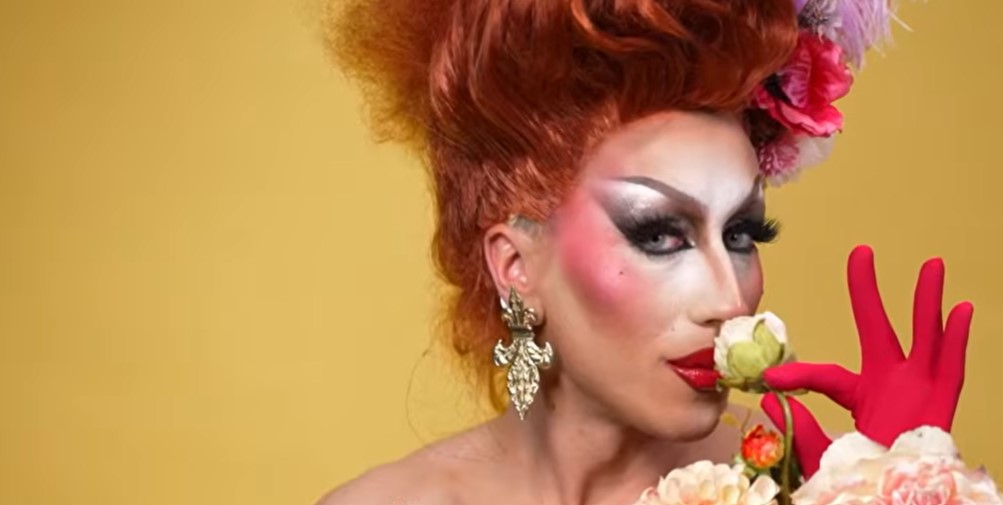
Drag is transformation. It is the art of turning yourself into a larger‑than‑life character, exaggerating every line and contour to entertain, seduce and disrupt. It is also a way of wriggling out of the gender roles society tries to pin on us, of playing with codes until they crack. In the documentary “Sous les paillettes, la rage: une histoire du drag”, that tension between sparkle and fury becomes the starting point for a powerful journey through queer history in France and the United States.
Guided by Paloma, the first winner of Drag Race France, the film traces a line from William Dorsey Swann – an emancipated slave often described as the first known drag queen – to RuPaul, Nicky Doll and the era of mainstream drag on television. Along the way, it keeps asking the same question: what happens when those who were never meant to be seen decide to take the spotlight anyway?
Read also : Barakakings: The Drag King Collective Powering a New Wave in Brussels
Drag as a living, shifting language
One of the strengths of the documentary is that it treats drag as a living material, constantly shaped by its environment. Drag emerges, mutates, disappears from public view, then comes back louder and sharper, depending on whether the laws are repressive or the social climate more permissive.
Historians, anthropologists and sociologists unpack how dress codes, police raids, censorship and media representation have pushed drag performers to invent new strategies. Sometimes that means going underground, sometimes colonising the cabaret, and sometimes taking over prime‑time TV. Through it all, the film insists on drag’s core ingredients: humour, self‑mockery, and a stubborn refusal to play the role assigned at birth
Read also : Les Peaux de Minuit: A BIPOC Drag Collective Shaking Up Brussels Nights
Glitter, anger and LGBT+ struggles
“Sous les paillettes, la rage” never lets us forget that the story of drag is inseparable from LGBT+ struggles. From clandestine balls to Pride stages, drag has served as both shield and megaphone. The film revisits key moments where queens and kings stood at the front line: facing police brutality, navigating the AIDS crisis, marching for rights, or using their visibility to speak up for the community.
By moving between France and the US, the documentary draws connections between different scenes while showing their shared battles. The result is not a nostalgic scrapbook, but a political reminder: drag has always been about survival and joy, about turning shame into performance and performance into power.
Watching it from Brussels, in Pride season
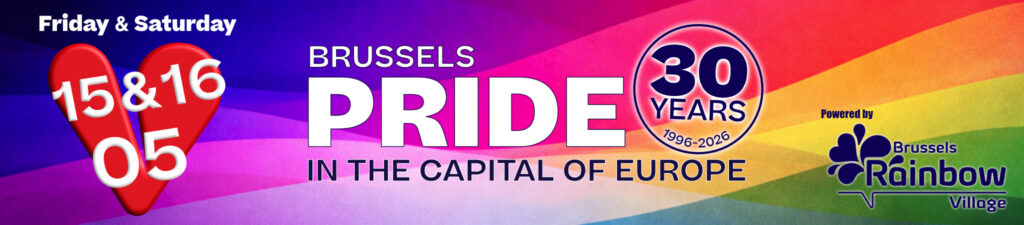
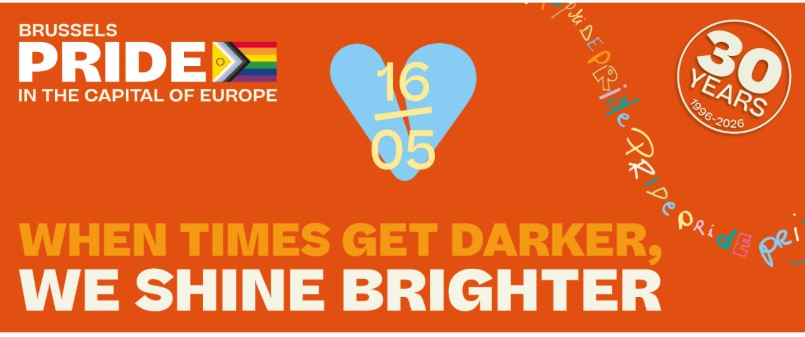
This feels especially relevant in Brussels Pride season. On 16 May, Brussels celebrates 30 years of Pride under the theme “When Times Get Darker, We Shine Brighter” – a motto that could be the documentary’s subtitle. Here, drag is everywhere: on the Pride March route, in the Rainbow Village, in bars and clubs that have nurtured generations of performers.
At ket.brussels, we have spent years documenting this ecosystem: interviews with local drag artists, reports from shows and competitions, reflections on drag as a safe space and a political act. Those stories speak directly to the history traced in “Sous les paillettes, la rage”, plugging Brussels into a wider, transatlantic drag constellation. Watching the film now, during Pride Month, is a perfect way to connect what happens on our stages to a larger, shared legacy.
Where to watch and what to read next
“Sous les paillettes, la rage: une histoire du drag” is currently available to stream on Auvio, the RTBF platform, in a 64‑minute version directed by Pascal Petit. It is an ideal pre‑Pride watch: something to queue up with friends before heading out to the Rainbow Village, a drag show or the Brussels Pride March itself.
And if the documentary leaves you hungry for more, you can dive into ket’s existing drag coverage: portraits of Brussels queens and kings, deep dives into the local scene, and first‑hand accounts of what it means to step into drag in this city. Together, they tell one continuous story – about an art form that turns glitter into resistance, and rage into something dazzling.
Useful links
- “Sous les paillettes, la rage: une histoire du drag” on Auvio (RTBF) – streaming page
- Synopsis and production details for the documentary
- Brussels Pride 2026 – practical info and 16 May programme
- Brussels LGBTQIA+ information – Brussels‑Capital Region
- Pride Month events and queer stories in Brussels
- Drag‑focused articles on ket – ket.
KET Magazine is a community‑driven, non‑profit magazine run by volunteers based in Brussels. Get in touch to share your thoughts or tell us about your activities. You can also promote your events on our website or support our work with a donation. Contact us at Info@ket.brussels.
You may also like
-

Endless Summer Camp: Scout Rules Meet Queer Desire at Balsamine
Summer might be over, but Sophie Guisset has other plans. From 19 to 28 November
-

Escher in Brussels: Who Said Reality Had to Behave?
Staircases refuse to play by the rules, birds become fish, and two hands draw each
-
When Nuns Go Pirate: A Queer Sacred Thriller at Varia
What happens when lesbian love, religious memory and horror theatre enter a locked convent—and refuse
-
KET in Paris — Le Hasard Ludique, Where the Tracks Lead to Music
For this stop in our KET in Paris series, we visited Le Hasard Ludique, a
-
At Liège’s Queer Families Festival, Every Family Has a Story
The third edition of the Queer Families Festival takes place on 11 October at the