
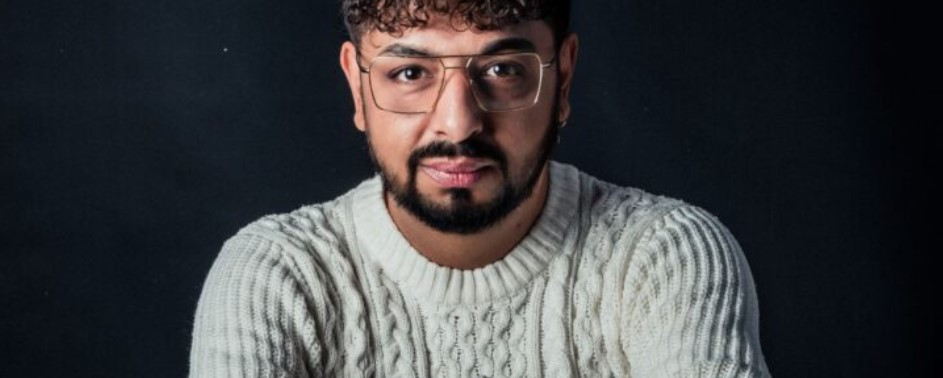
For this piece, ket joins forces with the Greek LGBTQ+ magazine Anti Virus as part of the ELMA – European LGBTQIA+ Magazines Association. Thanks to this network, we can share a conversation that rarely reaches Brussels: what it means to be Roma and queer in Greece today, and what kind of future young Roma LGBTQIA+ people deserve.
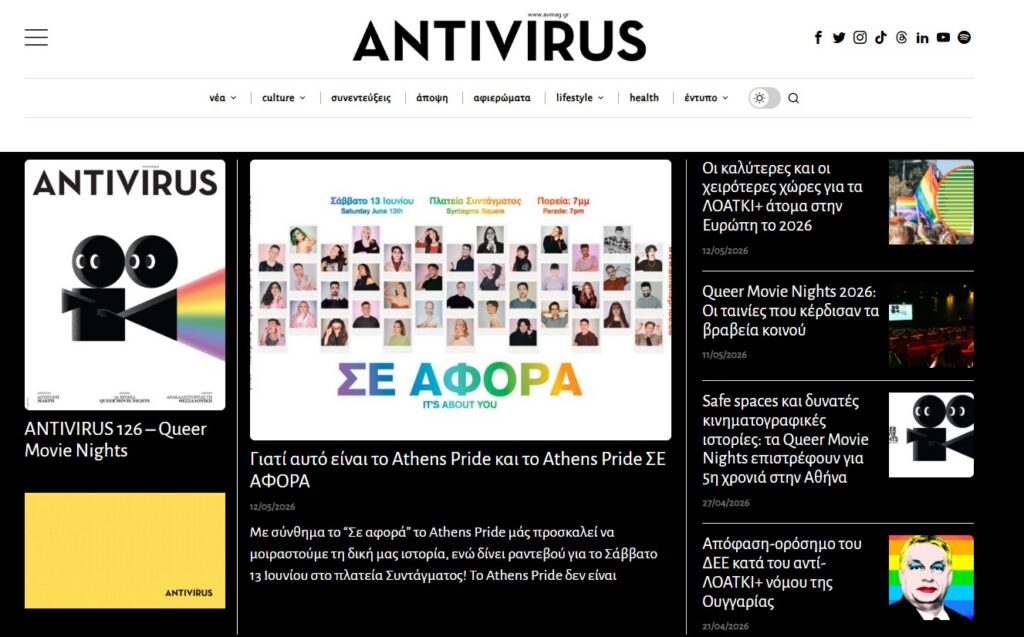
In an interview originally published by Anti Virus in April 2026, a Roma LGBTQ+ activist explains how most media stories about Roma identity appear once a year, around International Roma Day – and are forgotten just as quickly. Even then, these stories almost never mention the multiple identities many Roma people hold: gay, lesbian, bi+, trans, non‑binary, intersex, questioning. The result is a double invisibility that weighs heavily on those who live at this intersection.
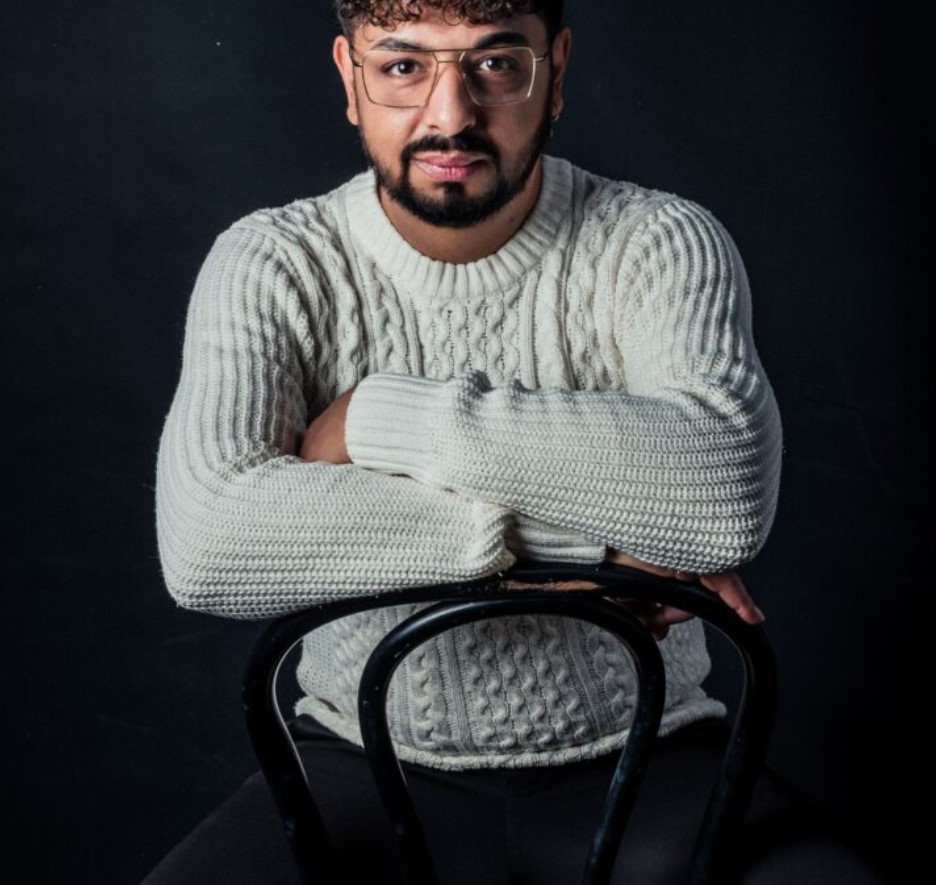
Growing up Roma and queer – with nowhere to be fully yourself
The interviewee describes growing up in an environment where being Roma already meant facing racism and stereotypes, and where being queer or trans was unthinkable to talk about openly. In many families and communities, traditional gender roles and expectations around marriage, children and religion leave very little space for difference.
For young Roma LGBTQ+ people, this often means living a fragmented life: hiding queerness in Roma spaces, downplaying Roma identity in LGBTQ+ spaces, and rarely feeling fully safe in either. The person interviewed talks about the emotional cost of this fragmentation, from mental health struggles to the feeling of never being “enough” for any group.
At the same time, they insist that Roma communities are not monolithic. There are relatives who quietly support, friends who show up, and elders who understand more than they say out loud. Change, they argue, is already happening from within – but it needs time, resources and visibility.
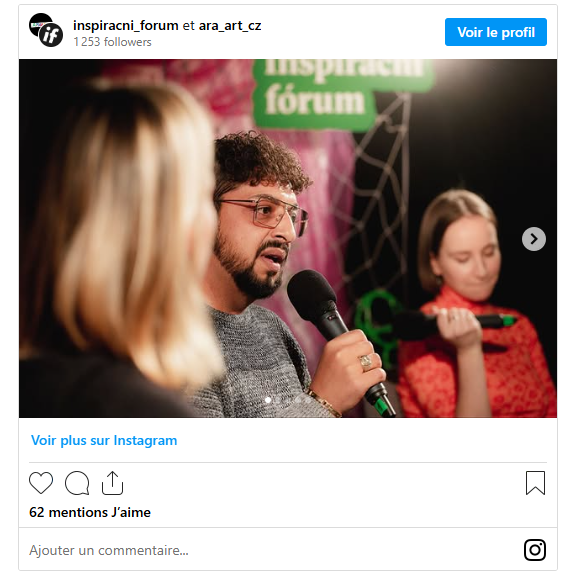
“No one should have to hide pieces of their identity”
The central wish expressed in the article is simple and powerful: “I would like young Roma LGBTQ+ people to grow up in an environment where they don’t have to hide any part of their identity.” That means:
- not having to choose between being proud of their Roma heritage and being open about their sexuality or gender;
- being able to access LGBTQIA+ spaces that are not racist and Roma spaces that are not queer‑phobic;
- seeing themselves reflected in media, activism and policy – not as a footnote, but as protagonists.
The activist calls on both movements to do better. For Roma organisations, that means taking LGBTQ+ issues seriously and creating room for internal conversations, even when they are uncomfortable. For LGBTQIA+ organisations, it means tackling anti‑Roma racism, centring Roma voices in campaigns, and avoiding the reflex that treats “Roma issues” as something external or exotic.
From Athens to Brussels: why this matters here
Reading this from Brussels, it is hard not to think of our own context. Belgium likes to highlight its progressive laws on LGBTQ+ rights, but Roma communities here also face systemic racism, police harassment and extreme precarity – and Roma queer and trans people carry the weight of both. Their stories rarely make it into mainstream queer media or Pride speeches.
That is exactly why the ELMA network exists: to let local voices travel. By picking up this Anti Virus article, ket hopes to open up more space for conversations around anti‑Roma racism inside European queer communities, and to encourage readers to look around: who is missing from our bars, our collectives, our Pride committees, our media covers?
The activist interviewed in Greece ends on a note that could easily apply to Brussels too: change starts when people stop being surprised that Roma LGBTQ+ people exist. From there, the work is to make sure they have actual places to breathe.
Source and credits
This article is based on and adapted from:
- “Θα ήθελα τα νεαρά Ρομά ΛΟΑΤΚΙ+ άτομα να μεγαλώνουν σε ένα περιβάλλον όπου δεν χρειάζεται να κρύβουν κανένα μέρος της ταυτότητάς τους”, published by Anti Virus Magazine (Athens, Greece) on 23 April 2026.
Reproduced and adapted in English on ket.brussels thanks to ELMA – the European LGBTQIA+ Magazines Association, which connects queer media across the continent.
KET Magazine is a community‑driven, non‑profit magazine run by volunteers based in Brussels. Get in touch to share your thoughts or tell us about your activities. You can also promote your events on our website or support our work with a donation. Contact us at Info@ket.brussels.
You may also like
-

Balkan Trafik! Turns Brussels’ Bourse into a Three-Day Balkan Universe
After a year away, Balkan Trafik! returns to Brussels from 19 to 21 November 2026
-
In Myanmar, the Spirit Wives Keep Dancing
Near Mandalay, in a country torn apart by civil war, the annual Taungbyone festival has
-

Five Equality Champions Remind WorldPride What Queer Progress Looks Like
On 5 August, during the WorldPride Human Rights Conference in Amsterdam, UNDP and ILGA World
-

Lenacapavir: Hope, Hype and a Price Tag That Hurts
Lenacapavir is the name on everyone’s lips at the World AIDS Conference in Rio de
-

Milan Violon and the Fight for Queer Visibility in Sport
At just 17, Milan Violon has become the first man to represent France in artistic