
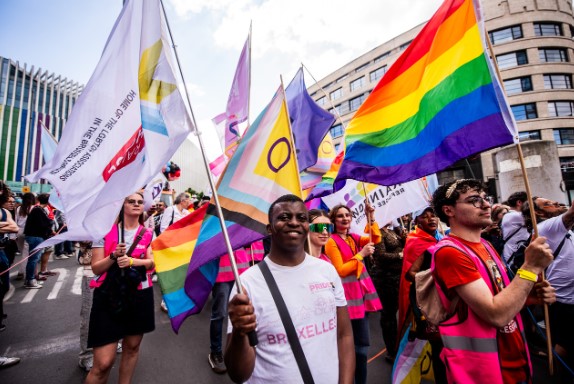
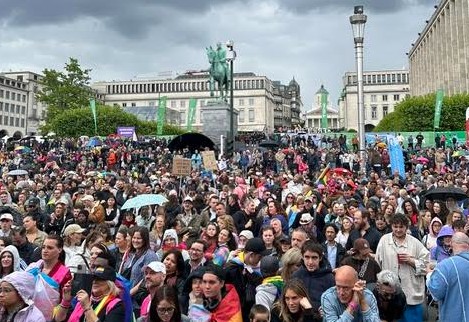
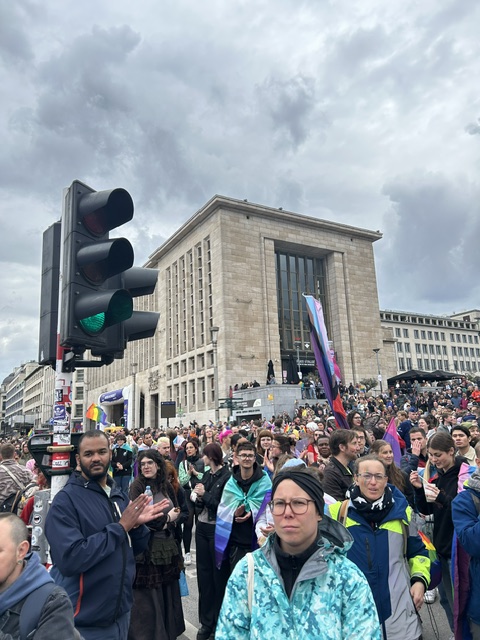
Yesterday, Brussels Pride marked its 30th edition with an estimated 216,000 people filling the city centre. Under the banner “When Times Get Darker, We Shine Brighter”, the march turned the capital into a sea of rainbow, trans, bi and intersex flags – a massive, joyful yes to queer life at a time when too many people still say no. It was a success, politically and symbolically. But today, on IDAHOT – the International Day Against Homophobia, Transphobia, Biphobia and Intersexphobia – the message is simple: the celebration is over, the fights continue.
Unia, Belgium’s equality body, reminds us that IDAHOT 2026 is not a ceremonial date in the calendar but a checkpoint. A moment to look at what has changed, at what hasn’t, and at who still falls through the cracks when the music stops.
Pride showed our strength; IDAHOT shows where it still hurts
The record turnout in Brussels is not nothing. 216,000 people in the streets means:
- a generation that refuses to disappear
- allies who understand that LGBTQIA+ rights are everyone’s business
- and a city that, for one day, openly chooses queer visibility over respectability.
But as Unia underlines, Belgium is not a queer utopia. Homophobic and transphobic assaults still happen in the street, on public transport, in schools and at work. Online, hate speech spreads quickly and is rarely sanctioned. Intersex children are still subjected to non‑consensual medical interventions. Trans and non‑binary people face obstacles in legal recognition, healthcare, employment and housing. Queer asylum seekers risk invisibility in procedures that do not understand their realities.
Pride gives us strength and visibility. IDAHOT asks what we do with that strength on the other 364 days.
Belgium is “high‑ranking”, but many lives are still on low battery
In European indexes, Belgium looks good. Laws exist, protections are on paper, and the country is often quoted as a model. Yet recent reports show stagnation, especially on intersex bodily integrity, asylum and persistent forms of discrimination. Unia points to:
- recurring hate incidents that never reach the courts
- discrimination in employment, housing, healthcare and access to services
- the particular vulnerability of young queer people, people of colour, migrants, Roma, disabled and precarious LGBTQIA+ people.
For them, Pride is not just a party; it is a rare moment where the city feels temporarily safer. IDAHOT is here to remind institutions that safety should not be seasonal.
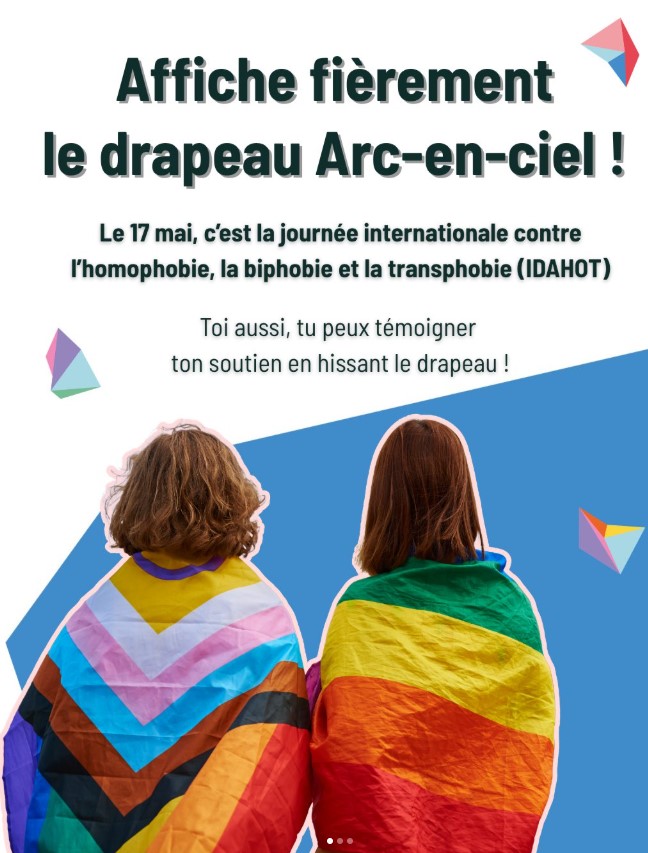
From slogans to policies: what “shining brighter” should mean
If we take this year’s Pride theme seriously, “shining brighter” now has to mean:
- Acting on hate: better training for police and magistrates, clearer protocols for recording and prosecuting hate crimes and hate speech, and real consequences for perpetrators.
- Protecting intersex people: banning non‑necessary, non‑consensual surgeries on intersex children and providing reparations and support for those already affected.
- Strengthening trans rights: easier, depathologised legal gender recognition, protection at work and in housing, and accessible, respectful healthcare.
- Including everyone in the picture: targeted measures for LGBTQIA+ people who are also racialised, undocumented, disabled, poor or homeless – those who rarely appear in glossy Pride campaigns but who face the harshest violence.
Unia insists that anti‑LGBTQIA+ hatred does not exist in a vacuum: it is linked to sexism, racism, antisemitism, anti‑Roma racism, ableism and other systems of oppression. Fighting one means taking all of them seriously.
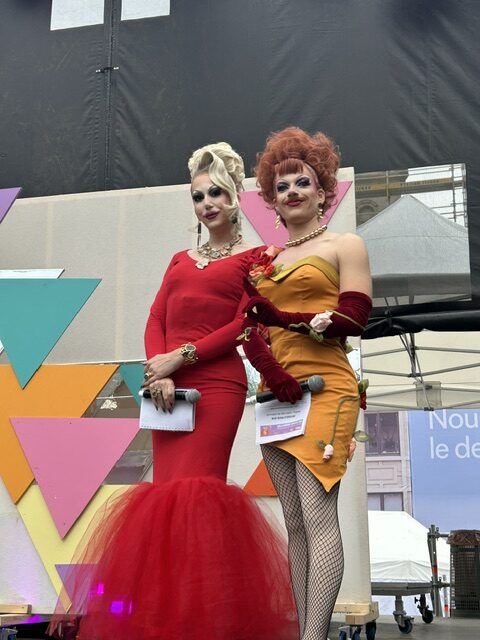
From the streets back to everyday life
For Ket’s readers, the day after Pride can feel strange: you go from being part of a huge, visible crowd to taking your usual tram, going back to work, maybe lowering your volume again. IDAHOT is there to stop that slide into “business as usual”.
The question is not whether Brussels Pride was a success. It was. The question is what we decide to carry out of it:
- Do we support organisations who are doing the slow, unglamorous work – RainbowHouse, Unia, grassroots groups, shelters, legal clinics, youth centres?
- Do we intervene when we see harassment on the street, at school, in the office?
- Do we back policies and representatives who defend equality, even when it is not Pride season?
Pride gave us a picture of what a queer Brussels can look like when we are many and unafraid. IDAHOT is an invitation to keep that picture in mind when we are fewer and more vulnerable.
The fight continues – in parliament, in courts, in classrooms, in families, at work, online and offline. And if yesterday showed anything, it’s that we are not fighting alone.
KET Magazine is a community‑driven, non‑profit magazine run by volunteers based in Brussels. Get in touch to share your thoughts or tell us about your activities. You can also promote your events on our website or support our work with a donation. Contact us at Info@ket.brussels.
You may also like
-
Brussels Rainbow Village: More Than a Night Out
Just steps from Brussels’ Grand Place, the Saint Jacques neighbourhood is a place to meet,
-

Thirty-seven and still dancing: La Demence opens its birthday weekend at Fuse
La Demence turns 37 with three nights in Brussels, beginning at Fuse on Friday 30
-
Pleasure, care and no lectures: a pocket guide to gay sexual health
Sexual health is about more than a test result. In Le Petit Guide de la
-
Mideterms Elections in US – The Closetocracy: when the closet becomes a question of power
The Closetocracy, now available on YouTube through The Young Turks, puts secrecy, sexuality and political
-

Beyond the rent rant: Bruscope puts Brussels life under the lens
Why does finding a home in Brussels feel so complicated? Who does the work that