
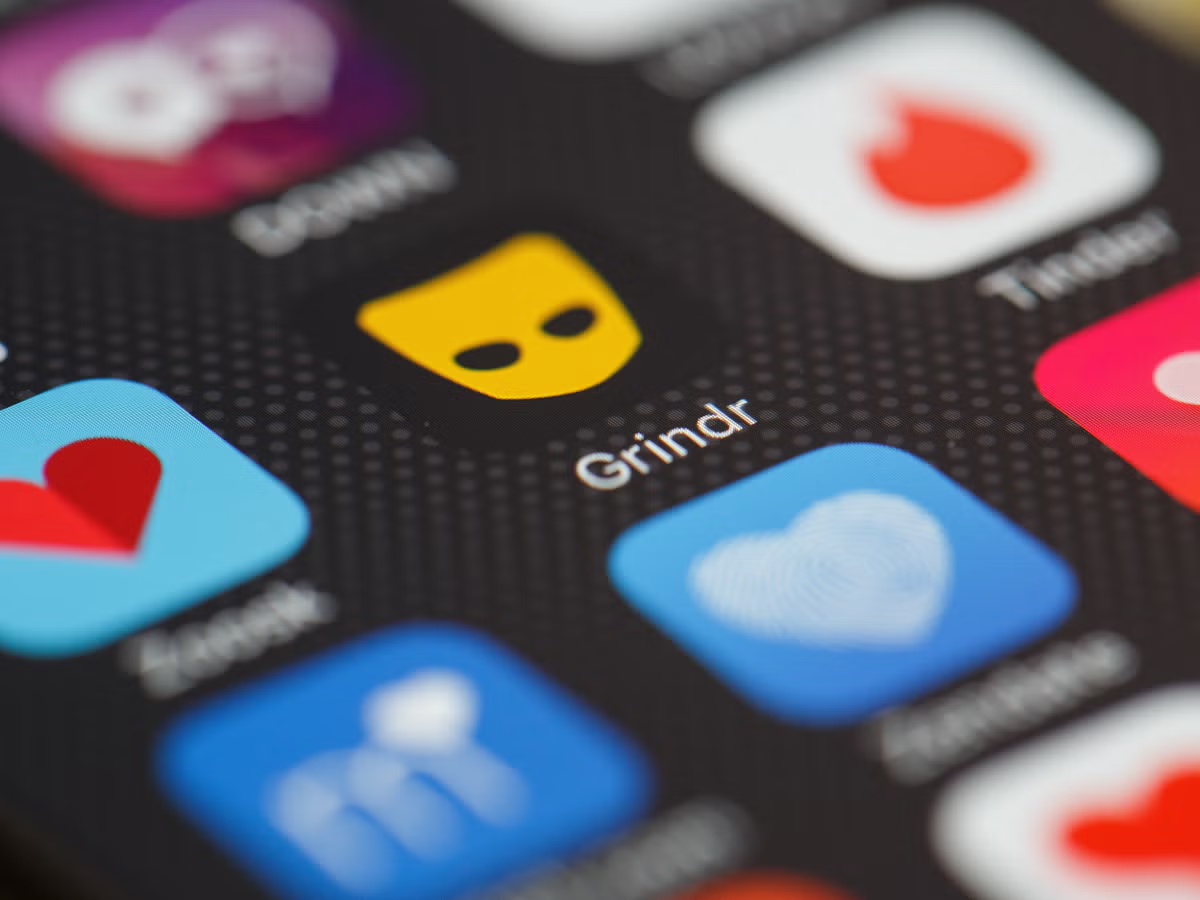
A recent journalistic investigation by RTBF has shed light on a deeply concerning trend in Belgium: the increasing number of homophobic attacks orchestrated through dating apps. Their in-depth research highlights how LGBTQ+ individuals are being lured into violent traps, revealing the harsh realities of online safety risks for our community.
The RTBF report details multiple cases where victims were deceived into meeting strangers, only to be ambushed and assaulted. This phenomenon is not new, but its persistence—and apparent rise—demands urgent attention. LGBTQ+ organizations and activists have long warned about these dangers, and now, with RTBF’s thorough investigation, the scale of the issue is becoming clearer.
At KET Magazine, we have consistently emphasized the importance of community safety. Over the years, we have published several articles, urging our readers to stay vigilant and support one another. Whether it’s about online dating safety, reporting hate crimes, or advocating for safer public spaces, our message remains the same: we need to look out for each other.
What You Need to Know from RTBF’s Investigation
- Perpetrators use dating apps to target victims, setting up fake profiles to arrange meetings.
- Victims report being ambushed in isolated locations, where they are robbed, humiliated, or physically attacked.
- The police have recorded an alarming number of such incidents, yet many remain unreported due to fear or shame.
- LGBTQ+ support organizations stress the need for more awareness and better protection for victims.
As RTBF reports, authorities are struggling to respond effectively, and too many victims feel abandoned by the system. However, the responsibility doesn’t fall on victims alone—our entire community must unite against this violence.
Protect Yourself & Each Other
Here are some essential safety tips, to help you navigate dating apps more securely:
- Meet in public places first. A crowded café or bar reduces risks.
- Tell a friend. Share your location and plans before meeting someone new.
- Trust your instincts. If something feels off, don’t go.
- Report suspicious activity. Both to the app and to local LGBTQ+ organizations.
- Use safety features. Many apps offer panic buttons or emergency contacts—activate them.
At KET Magazine, we will continue amplifying the voices of those affected and advocating for safer spaces for our community. The RTBF investigation is a wake-up call that we cannot ignore. We encourage you to read their full report, stay informed, and most importantly—take care of each other.
If you have experienced or witnessed such incidents, you are not alone. Reach out to LGBTQ+ organizations, report what happened, and let’s fight back together :
Stay safe. Stay strong. Stay together.
You may also like
-
Ten Years After the Brussels Attacks, a City – and Its Queer Community – Still Carry the Shock
Ten years after the 22 March 2016 bombings at Brussels Airport and Maelbeek metro station,
-

Brussels Pride: from Gay Pride to Belgian Pride to a city that owns its colors
In 30 years, Brussels has gone from a small “Gay Pride” marched by a few
-

“Out of step, outlawed”: être homosexuel·le au Sénégal en 2026
While Brussels is gearing up for another Pride season, LGBTQI+ people in Senegal are facing
-

Brussels Pride 2026: registrations for Pride Village are open – be part of it!
Brussels Pride is turning 30, the far right is on the rise across Europe, and
-

Queer Art on Tap: Grands Carmes Launches Monthly Exhibitions in its Community Bar
Right in the middle of Brussels’ old town Grands Carmes is turning its bar/café into a
