
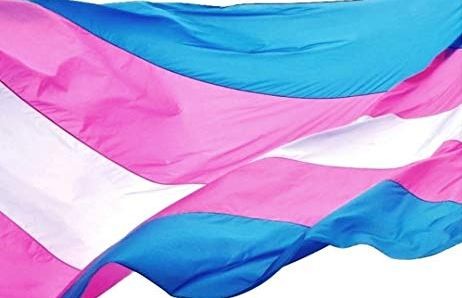
In the United States, the Trump administration’s latest move against trans rights is hitting universities where it hurts most — their funding. A new “Compact for Academic Excellence” demands that schools comply with an ideology that denies the existence of transgender people, defining “male” and “female” solely through “reproductive function and biological processes.” In short: sign away your inclusivity, or lose your money.
At first glance, this might seem like distant news — another episode in the ongoing U.S. culture war. But for queer people everywhere, including here in Brussels, it’s a stark reminder that our rights are never guaranteed. The struggle for visibility, dignity, and self-definition transcends borders. What happens in Washington can ripple through classrooms in Europe, through funding policies, and even through the words we use to describe ourselves.
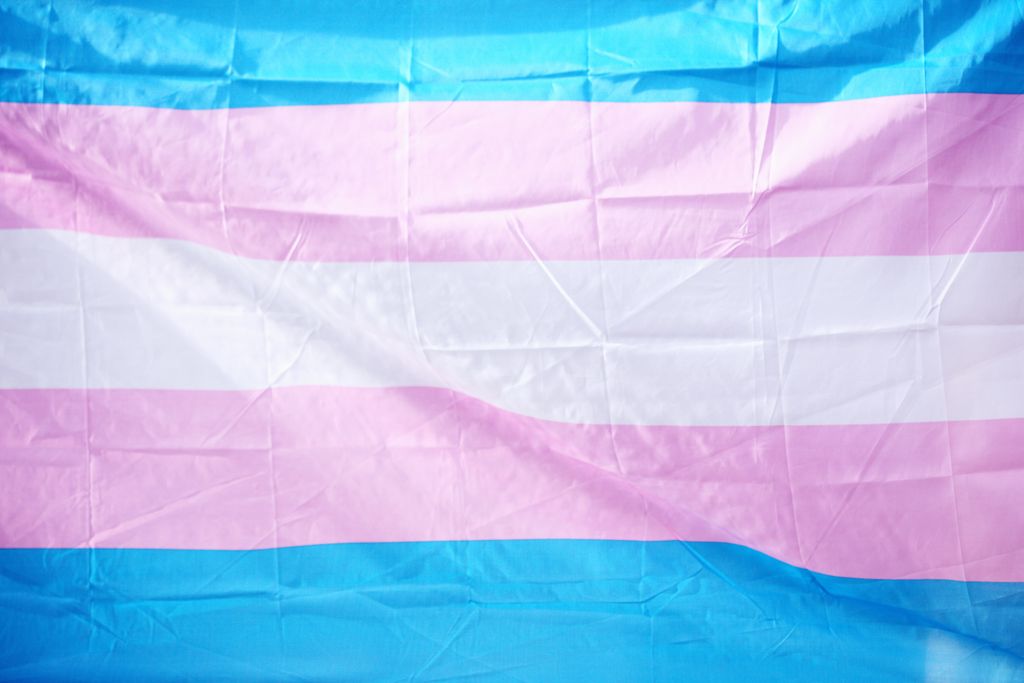
We spoke to Nora, a trans student from Belgium currently studying abroad, who feels the impact deeply. “It’s not just about America,” she says. “When a government says universities should stop recognizing trans students, it sends a message to the world: that trans lives are negotiable. And that’s terrifying.”
Universities — those spaces meant for curiosity, debate, and the celebration of difference — are now finding themselves at the crossroads of ideology and survival. The idea of “academic freedom” is being twisted into a test of obedience. When political power starts deciding who counts as a man or a woman, it stops being about education altogether. It becomes about control — about shrinking the world instead of expanding it.
And yet, amidst the fear, there’s resilience. Across campuses in the U.S. and Europe, students and professors are organizing, building networks of solidarity that defy national borders. “You can’t unlearn humanity,” says Nora with a smile. “We exist — and we’re not going anywhere.”
You may also like
-

At Liège’s Queer Families Festival, Every Family Has a Story
The third edition of the Queer Families Festival takes place on 11 October at the
-

Türkiye’s LGBTQIA+ Community Faces a New Wave of Pressure
LGBTQIA+ people in Türkiye are living through a sharp escalation in state pressure: Pride events
-

Fiji Declares a National HIV Emergency — and the World Must Pay Attention
Fiji has declared a national HIV emergency after a dramatic rise in diagnoses: 2,016 people
-

“After”: Listening to LGBTQIA+ Survivors Speak About Intimate Partner Violence
On 8 October, Tels Quels invites people to Les Grands Carmes in central Brussels for
-

Balkan Trafik! Turns Brussels’ Bourse into a Three-Day Balkan Universe
After a year away, Balkan Trafik! returns to Brussels from 19 to 21 November 2026