
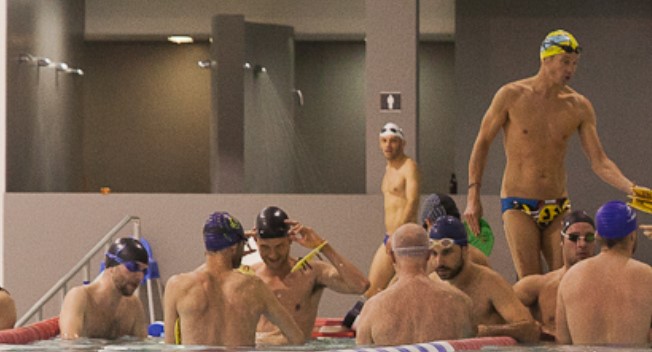
Belgium has long been recognized as a pioneer in LGBTQIA+ rights, being one of the first countries globally to legalize same-sex marriage and allow adoption by LGBTQIA+ couples. However, despite this legal progress, true inclusion and equality remain elusive, particularly in the realm of sports. The Walloon federation PRISME, representing LGBTQIA+ associations, plays a crucial role in advocating for an inclusive and discrimination-free sporting environment in Wallonia and across Belgian sports.
The Importance of Sport and Persistent Challenges
Sports are central to the lives of Belgians regardless of age, social class, gender, or sexual orientation. Football, the most popular and widely followed sport in Belgium, embodies collective emotions, social identity, and national pride. Yet, it remains shaped by deeply ingrained virilistic norms and heteronormativity, creating a paradox where expressions related to LGBTQIA+ identities often face exclusion or invisibility.
Research and surveys highlight persistent discrimination in Belgian sports. For example, in football, a significant portion of players have experienced or witnessed homophobic, sexist, racist, or body-shaming behaviors. About 52% of respondents reported experiencing discriminatory behaviors directly, and 64% witnessed such acts. Insults, humiliations, exclusion from teams, and threats contribute to feelings of isolation, mental health struggles, and sometimes sports abandonment among LGBTQIA+ individuals.
Root Causes: Structural Virilism and Heteronormativity
The sport culture in Belgium reflects a historical construction of masculinity that values toughness, endurance, and competitiveness—qualities associated with “hegemonic masculinity.” This culture marginalizes LGBTQIA+ identities, especially in men’s football, where coming out remains rare due to fear of stigma and exclusion. The strict binary division of gender and rigid stereotypes exclude non-conforming expressions and identities.
Homophobic attitudes often manifest as everyday microaggressions, jokes, chants, and behaviors normalized as “folklore” within sports culture, making them harder to challenge. This environment forces many LGBTQIA+ athletes to conceal their identities, undermining their wellbeing.
Institutional Gaps and Lack of Effective Responses
The document points out significant gaps in prevention, training, and political will. Many sports leaders and coaches lack training on diversity and managing discriminations. Policies and charters, though present, are often unknown or unenforced. Institutional silence and underfunding undermine efforts to change the culture. Moreover, reporting mechanisms and ethical referents in clubs need strengthening and broader implementation.
Positive Initiatives and Best Practices
Despite challenges, encouraging steps are underway. PRISME and other organizations promote educational programs such as the “Come Together” project, targeting clubs, referees, and coaches to combat discrimination. The Pro League has created a guide for LGBTQIA+ inclusion in clubs and joined pan-European initiatives for LGBTQIA+ rights in football.
Examples from international contexts—like Norway’s anti-homophobia sport programs, the UK’s LGBTQIA+ youth initiatives, and community supporter groups—demonstrate successful models of inclusion that Belgium can build upon.
Notably, some Belgian clubs, such as Club Brugge, have implemented innovative measures like QR-code systems to report discriminatory behavior immediately.
Recommendations for a More Inclusive Future
The report provides a comprehensive set of recommendations aimed at all levels:
- Governments should establish national inclusive action plans and potentially create a federal sports ministry to coordinate policies.
- Sports federations and clubs must institutionalize training on diversity, recognize ethical referees, apply strict sanctions for discriminatory incidents, and promote inclusive communication.
- Training should be ongoing, involving collaboration with LGBTQIA+ associations to ensure credible and context-specific content.
- Players and supporters need education and support to act as allies and enforce respectful environments.
- Media and sponsors have roles in promoting inclusive narratives and financially supporting inclusion initiatives.
The document stresses that inclusion is not merely symbolic but essential for the integrity and social role of sport. A culture that enforces hegemonic masculinity and heteronormativity excludes not only LGBTQIA+ people but impoverishes the collective sporting experience.
Conclusion
PRISME’s work reveals that Belgian sport sits at a decisive crossroads. The fight against LGBTQIA+phobia and other discriminations requires dismantling long-standing norms, training, and proactive institutional support. This transformation will enable sport to fulfill its promise as a space of emancipation, community, and fairness for all participants.
As Didier Reynaud, member of the LGBTQIA+ collective Rouge Direct and Brussels Gay Sports, states: “Fighting LGBTQIA+phobia in sport is not only a question of image or communication, but a matter of human lives. It is about creating a safe space where everyone can thrive without fear.” The time to act is now.
You may also like
-
Pleasure, care and no lectures: a pocket guide to gay sexual health
Sexual health is about more than a test result. In Le Petit Guide de la
-
Mideterms Elections in US – The Closetocracy: when the closet becomes a question of power
The Closetocracy, now available on YouTube through The Young Turks, puts secrecy, sexuality and political
-

Beyond the rent rant: Bruscope puts Brussels life under the lens
Why does finding a home in Brussels feel so complicated? Who does the work that
-
At Liège’s Queer Families Festival, Every Family Has a Story
The third edition of the Queer Families Festival takes place on 11 October at the
-

“After”: Listening to LGBTQIA+ Survivors Speak About Intimate Partner Violence
On 8 October, Tels Quels invites people to Les Grands Carmes in central Brussels for