
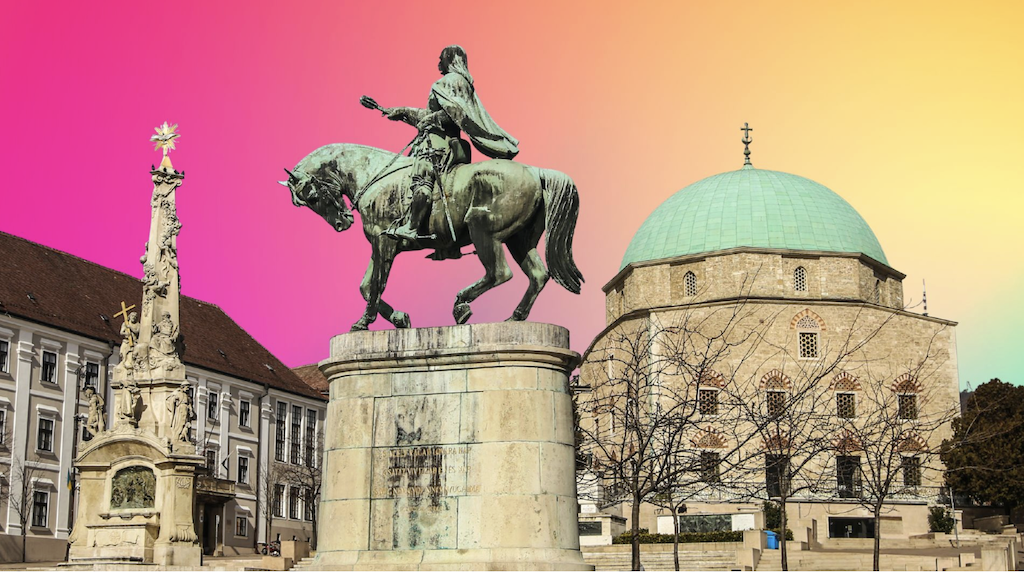
In a troubling turn for queer visibility, Hungarian authorities have banned the Pride march in Pécs (Hungary) —scheduled for 4 October 2025—invoking Section 13/A of the Assembly Act to bar the event entirely. While Budapest Pride benefits from municipal backing, Pécs Pride is organized by private individuals, making its participants far more vulnerable to fines, surveillance, even criminal liability.
The Supreme Court of Hungary (Kúria) has upheld the ban. Organisers have vowed to go ahead despite the prohibition, saying they will not be silenced. The consequences carry real risks: attending a banned assembly is considered a petty offense punishable by fine. In Pécs, participants may be exposed to facial-recognition surveillance, high penalties, or even legal action against the organisers.
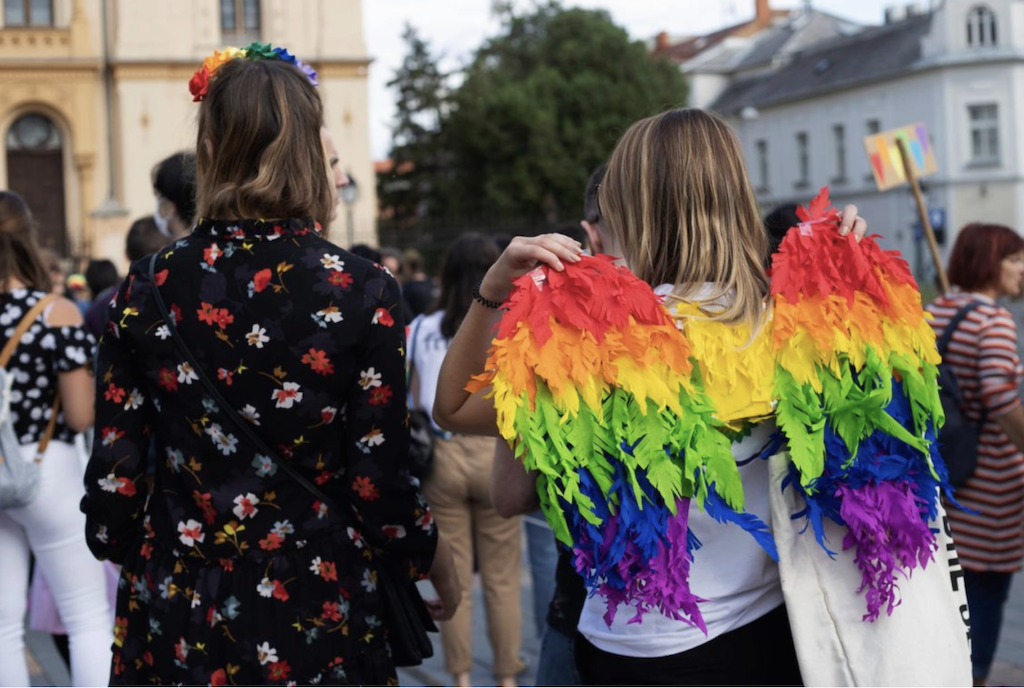
This specific ban is part of a broader crackdown. In March 2025, Hungary passed sweeping amendments to its Assembly Act, enabling authorities to ban queer public gatherings under the guise of protecting children from “promotion or depiction” of homosexuality or gender diversity. The law is vague, granting broad discretion. It is also tied to the 2021 “child-protection” law that already limits LGBTQ+ expression around minors.
From the EU level, pressure mounts. The EU Fundamental Rights Agency warns that Hungary’s measures may violate the EU Charter of Fundamental Rights. Human rights organisations, including ARTICLE 19, Amnesty, FIDH, and others, have called on the European Commission to open infringement proceedings and request interim measures to preserve freedom of assembly. In its annual briefing, the European Parliament has flagged Hungary’s new assembly law as a direct threat to EU core principles.
Still, even under constraint, queers resist. Busting through bans, Budapest hosted one of its largest Pride marches ever, drawing tens of thousands from across Europe. The message: visibility matters, even when it’s outlawed.
For Brussels-based queers, Pécs Pride is not just a Hungarian story—it’s a test of European commitment to equality. If the EU fails to act to block this ban, what message does that send to queer people in Poland, in Bulgaria, or beyond? Our right to gather, to march, to exist openly in shared public space, must not be selectively allowed.
You can support Pécs Pride by signing the Amnesty petition “Let Pride march in Hungary”
You can also sign the All Out petition “EU: Stop Hungary’s Pride ban”
More than that: demand that President von der Leyen, the European Commission, and your MEPs press for interim measures, open infringement cases, and ensure the safety of organisers and participants. The EU’s promise of rights and dignity must apply equally to every corner—including Pécs.
Freedom of assembly is not optional. Let’s show that queer Europe is ready to defend it.
You may also like
-
Pleasure, care and no lectures: a pocket guide to gay sexual health
Sexual health is about more than a test result. In Le Petit Guide de la
-

Mideterms Elections in US – The Closetocracy: when the closet becomes a question of power
The Closetocracy, now available on YouTube through The Young Turks, puts secrecy, sexuality and political
-

Beyond the rent rant: Bruscope puts Brussels life under the lens
Why does finding a home in Brussels feel so complicated? Who does the work that
-

At Liège’s Queer Families Festival, Every Family Has a Story
The third edition of the Queer Families Festival takes place on 11 October at the
-

Türkiye’s LGBTQIA+ Community Faces a New Wave of Pressure
LGBTQIA+ people in Türkiye are living through a sharp escalation in state pressure: Pride events