
Hungary’s LGBTQIA+ community is once again at the centre of a political storm. Hungarian police have proposed charges against Budapest’s mayor, Gergely Karácsony, over his role in organising this year’s Pride march — an event officially banned under a new “child protection” law.
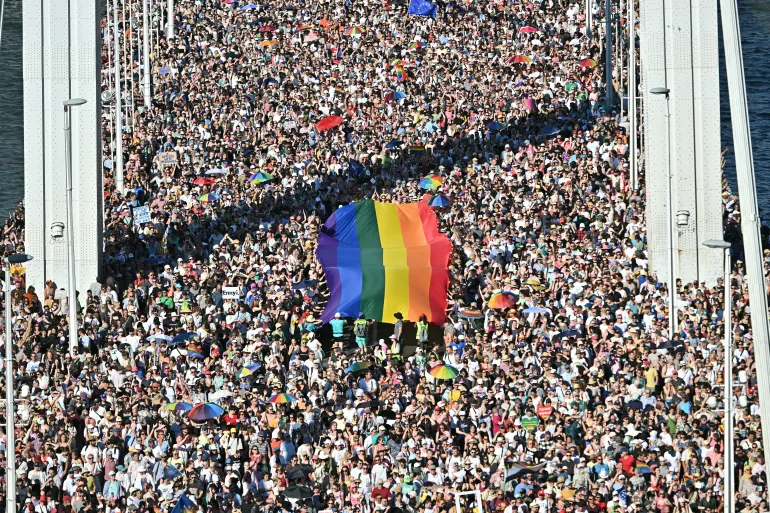
Despite the ban, tens of thousands of people marched through Budapest on June 28 after Karácsony declared Pride a municipal event, arguing it did not require police authorisation. The march remained peaceful and quickly grew into one of the largest public demonstrations Hungary has seen in years, blending queer visibility with broader calls for democratic freedom.
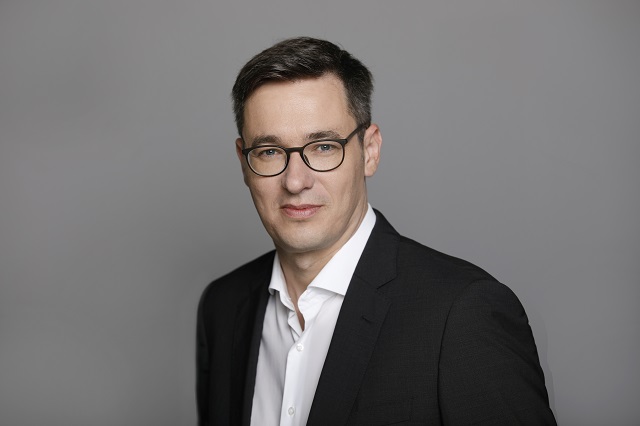
If prosecutors move forward, Karácsony could face up to a year in prison for enabling and encouraging participation in the march. He has responded defiantly, saying he is proud to have taken political risks for the freedom of his city and its people.
Human rights groups, including ILGA-Europe, warn that the case signals a dangerous misuse of assembly laws and a shrinking space for peaceful protest, not only for LGBTQIA+ people, but for anyone who challenges the government. Hungary has dropped further on Europe’s Rainbow Map, reflecting growing legal and social pressure on queer communities.
For LGBTQIA+ people across Europe, the message is clear: Pride remains a powerful act of visibility and, in some places, an act of resistance. What happened in Budapest is not just Hungarian news. It’s a reminder that the right to gather, celebrate, and exist openly can never be taken for granted.
You may also like
-

At Liège’s Queer Families Festival, Every Family Has a Story
The third edition of the Queer Families Festival takes place on 11 October at the
-
Türkiye’s LGBTQIA+ Community Faces a New Wave of Pressure
LGBTQIA+ people in Türkiye are living through a sharp escalation in state pressure: Pride events
-

Fiji Declares a National HIV Emergency — and the World Must Pay Attention
Fiji has declared a national HIV emergency after a dramatic rise in diagnoses: 2,016 people
-

“After”: Listening to LGBTQIA+ Survivors Speak About Intimate Partner Violence
On 8 October, Tels Quels invites people to Les Grands Carmes in central Brussels for
-

Balkan Trafik! Turns Brussels’ Bourse into a Three-Day Balkan Universe
After a year away, Balkan Trafik! returns to Brussels from 19 to 21 November 2026