
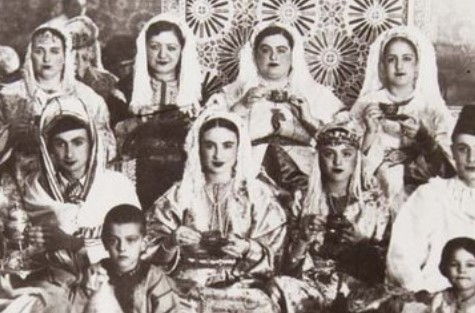
On 30 May, La Tricoterie in Saint-Gilles will host the first edition of Yallah Zouz!, a Judeo-Arab-Amazigh festival built around one clear idea: making memories, identities and cultures speak to each other instead of being kept apart. The event starts at 11:00 and runs through a dense day of concerts, talks, screenings, workshops, exhibitions, food and encounters, with a programme that feels as festive as it is political.
For queer readers, the appeal is immediate. Yallah Zouz! is not just another cultural day out; it is a place where belonging, history and transmission are treated as living material, and where artistic forms are used to reopen dialogue across communities that are often spoken about separately. The festival’s own framing — “faire vibrer nos mémoires communes” — gives it a strong emotional and intergenerational charge.
A festival of crossings
The line-up is deliberately broad: concert, performance, encounter, exhibition, DJ set, workshop, market, buffet, debate, projection and dance. That is what makes the event feel more like a cultural commons than a simple programme; it invites people to move between forms and to encounter a story of the Maghreb and the Jewish diaspora that is plural rather than fixed.
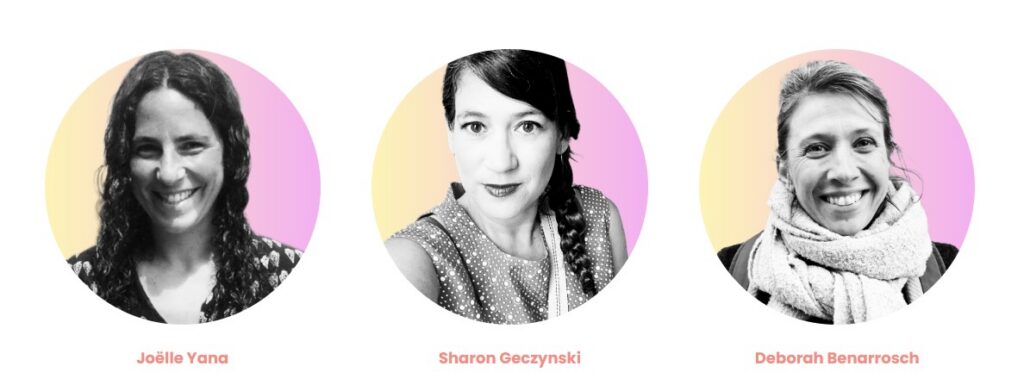
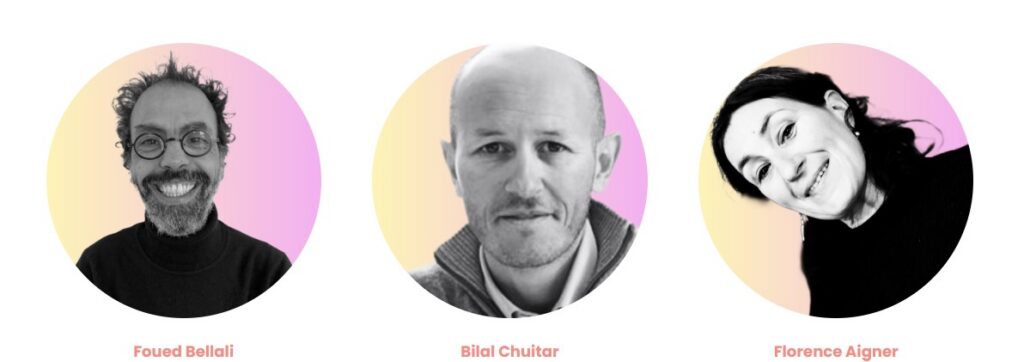
The names attached to the day reinforce that sense of breadth. Turkish Kebap, Rokia Bamba, Simone Bitton, Cléo Cohen, Esther Benbassa, David Berliner, Jihane Sfeir, Hamza Esmili and Paul Dahan are among the artists, thinkers and speakers taking part. In other words: this is not a token conversation about identity, but a full-day encounter between music, scholarship, memory and lived experience.
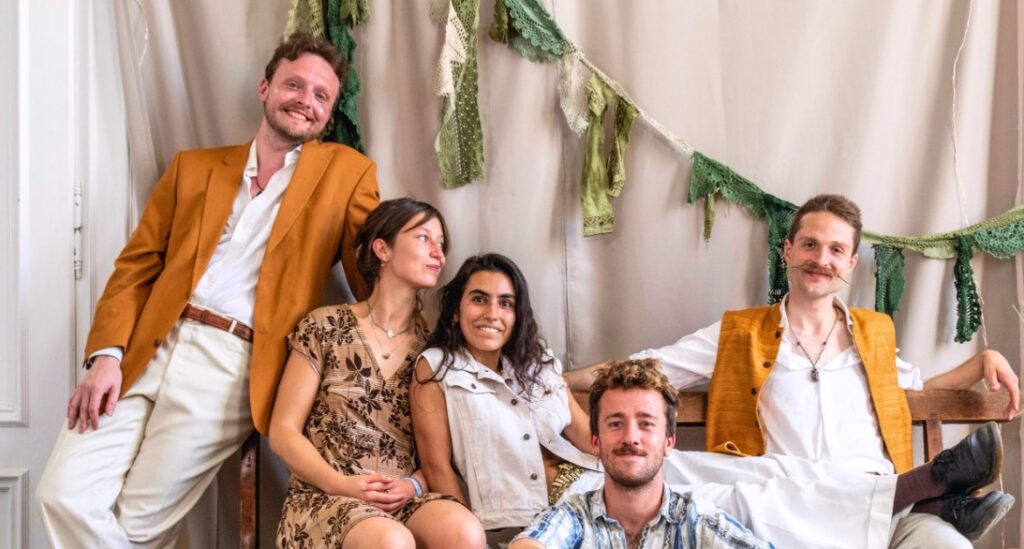
Turkish Kebap
Why it matters now
Brussels has been hosting more and more events that refuse to separate culture from politics, and Yallah Zouz! fits that shift perfectly. Its Judeo-Arab-Amazigh framing resists the flatness of “community” as a buzzword and instead presents culture as something made of migration, overlap, conflict and affection.
That matters because public conversations about Arab, Jewish and Amazigh histories are often reduced to binaries. Yallah Zouz! proposes the opposite: a place where those histories can coexist, disagree, and still produce beauty, sound and collective energy.
A warm, vibrant day
What also stands out is the atmosphere the organisers are promising: emotional, vibrant and warm. The programme includes food by chef·fes, a market of creators, a debate with ULB, a Moroccan weaving workshop, oriental dance and a circle of speech. That balance between learning and pleasure is exactly what makes the event feel generous rather than didactic.
For Ket, this is the kind of festival worth following closely: culturally rich, politically grounded and full of the kind of cross-genre energy that makes Brussels feel alive. It is also a reminder that community festivals can be both deeply specific and widely welcoming at the same time.
Useful links
Yallah Zouz! festival at La Tricoterie
Festival announcement on Arpsicor
KET Magazine is a community‑driven, non‑profit magazine run by volunteers based in Brussels. Get in touch to share your thoughts or tell us about your activities. You can also promote your events on our website or support our work with a donation. Contact us at Info@ket.brussels.
You may also like
-
Endless Summer Camp: Scout Rules Meet Queer Desire at Balsamine
Summer might be over, but Sophie Guisset has other plans. From 19 to 28 November
-
Escher in Brussels: Who Said Reality Had to Behave?
Staircases refuse to play by the rules, birds become fish, and two hands draw each
-
When Nuns Go Pirate: A Queer Sacred Thriller at Varia
What happens when lesbian love, religious memory and horror theatre enter a locked convent—and refuse
-
KET in Paris — Le Hasard Ludique, Where the Tracks Lead to Music
For this stop in our KET in Paris series, we visited Le Hasard Ludique, a
-
FrancoFaune 2026: Brussels, Turn Up the Volume
From 1 to 11 October, FrancoFaune returns for its 13th edition, spreading French-language music across