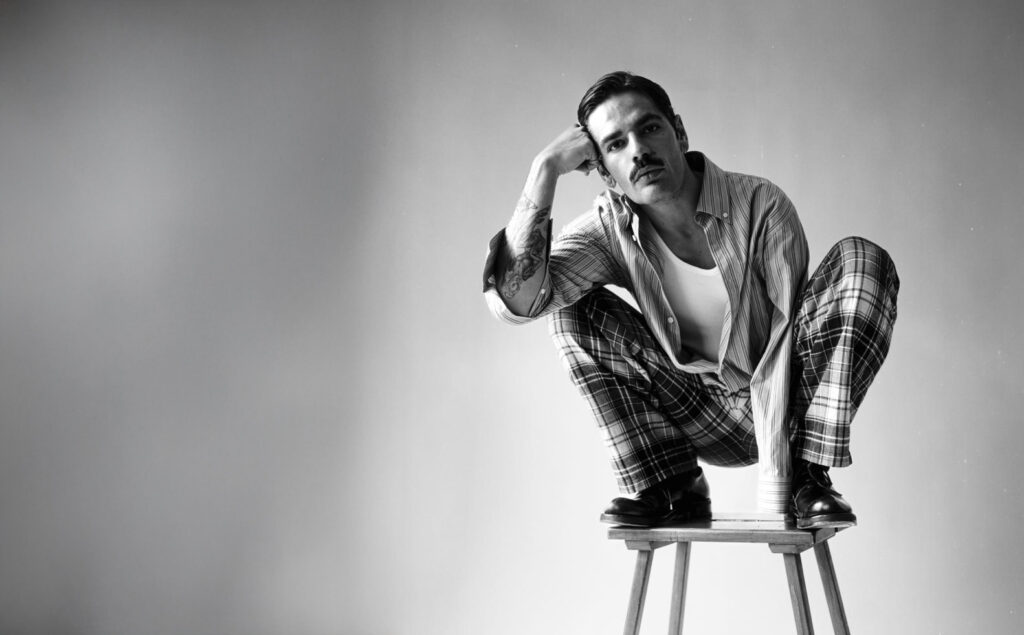
After an electrifying performance at the opening ceremony of the 2024 Paralympic Games in Paris—where he adapted his track Masculinity into My Ability—and a standout moment at Maison Margiela’s Fashion Week show, Lucky Love is continuing his meteoric rise. The singer, actor, dancer, model, and cabaret artist is redefining masculinity, queerness, and artistic expression—all while giving a giant middle finger to patriarchy.
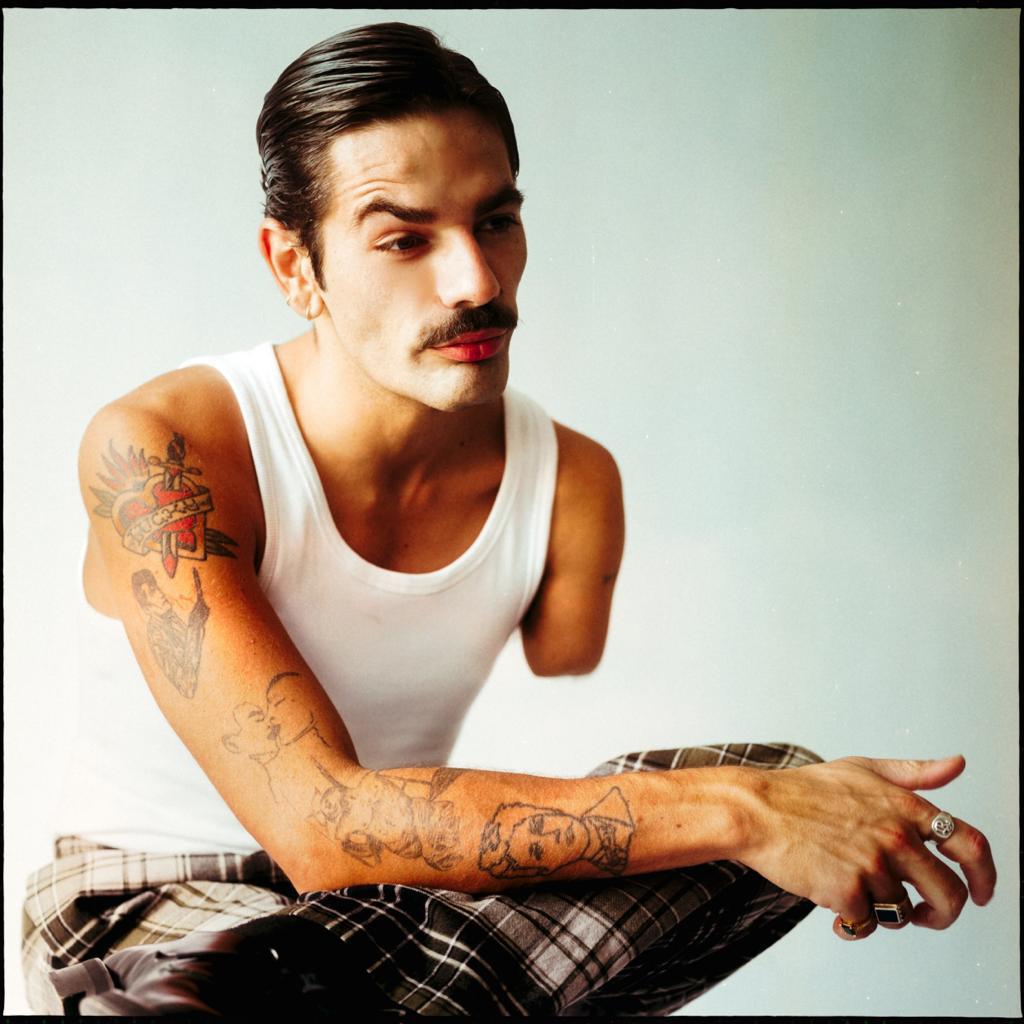
His highly anticipated debut album, I Don’t Care If It Burns, pushes the boundaries of pop music with a deeply personal and rebellious spirit. The track “Masculinity”, already streamed over 10 million times, is a raw exploration of identity, challenging the rigid definitions of what it means to be a man. “I allowed myself to explore the many facets of masculinity in song. In short, the track is a big, fat fuck to patriarchy and toxic masculinity,” Lucky Love states unapologetically.
From Belgium to the World
Though his journey has taken him across the globe, Belgium holds a special place in Lucky Love’s heart. Having studied at Institut Saint-Luc in Tournai, he built connections with influential Belgian artists, including Roméo Elvis. In early 2024, he returned to perform at the Magritte du Cinéma ceremony before giving his first-ever Brussels concert at Botanique.
Following his breakthrough performances, he released “Happier On My Own” in November 2024, accompanied by a strikingly retro-inspired music video. As he continues to merge fashion and music, Lucky Love has also collaborated with Gucci, Vivienne Westwood, and Maison Margiela, cementing his status as both a musical and style icon.
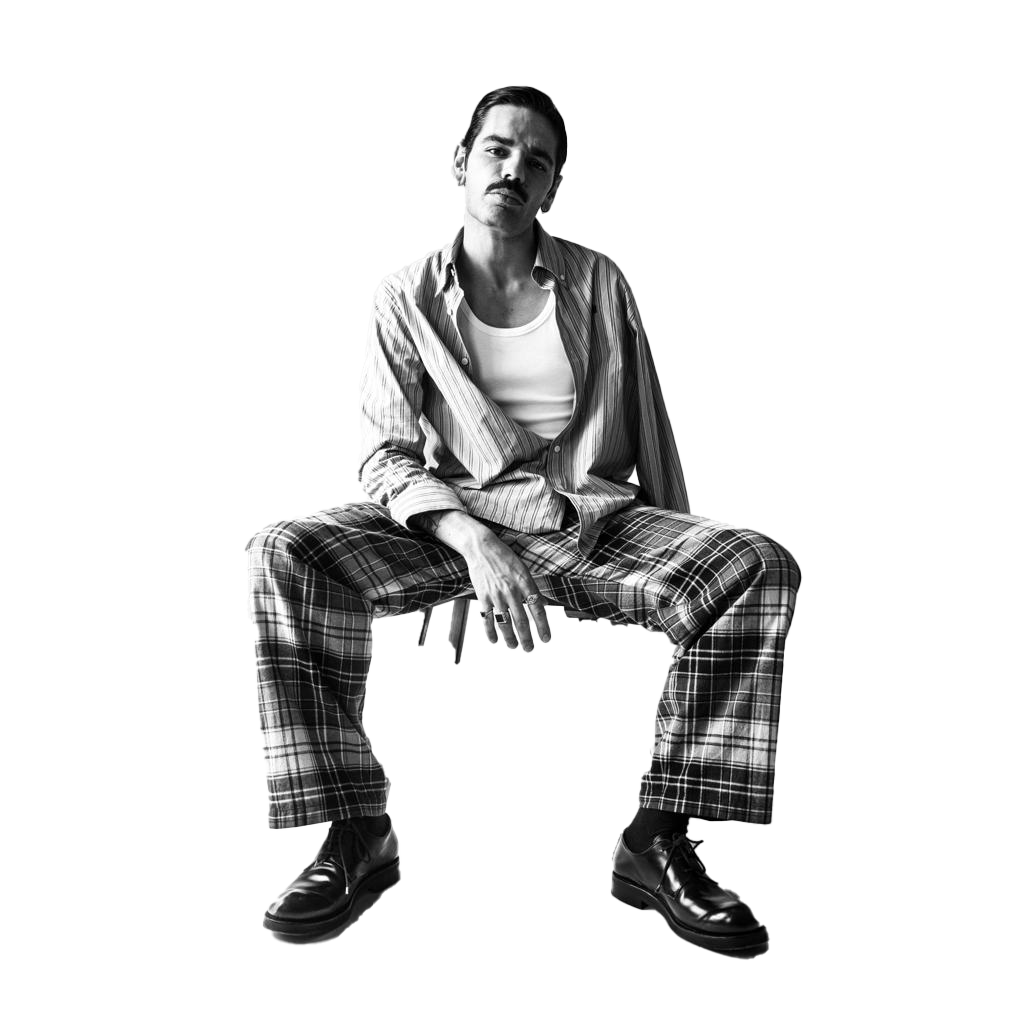
Breaking Free from Hypermasculinity
At the heart of his music lies a powerful message: masculinity should be whatever the hell you want it to be. “I think ‘Masculinity’ is the most vulnerable song of the entire project. I’d never felt safe to say that it’s hard to be a man. This patriarchal system is not only detrimental to women—it destroys everyone who doesn’t adhere to the idea. And I am one of them. I grew up without an arm, I was gay, I found out I’m HIV positive. This image of a strong ‘alpha male’ is so far away from me.”
Even within the LGBTQ+ community, Lucky Love has felt the pressure of toxic hypermasculinity. “Even in the gay community, there is this fixation on hypermasculinity. I was twenty-seven when I wrote ‘Masculinity,’ and it was the age when I thought I’d become that strong guy they all talk about. I quickly realized that it didn’t make me happy at all.”
Through his music and artistry, Lucky Love amplifies the voices of those who defy societal expectations and embrace their true selves. His message is clear: rejecting traditional masculinity doesn’t make you weak—it makes you free.
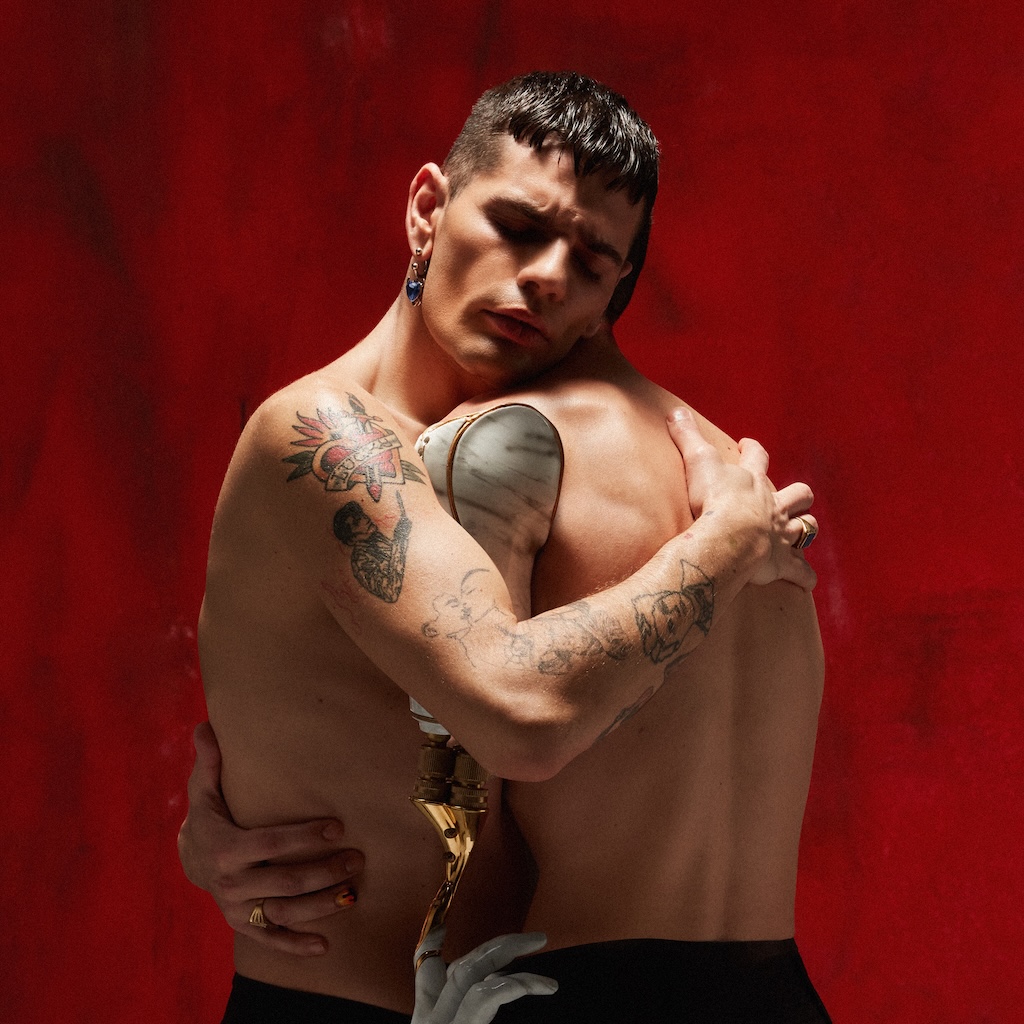
A Star on His Own Terms
Lucky Love isn’t here to fit into anyone’s mold—he’s here to break them. Whether through his music, his performances, or his unapologetic self-expression, he’s proving that masculinity is fluid, queerness is powerful, and rebellion can be beautiful. With a debut album that refuses to conform, a stage presence that commands attention, and a vision that challenges the norm, he’s not just an artist—he’s a force of nature.
And if the world isn’t ready for him? Well, he doesn’t care if it burns.
Follow him on Instagram: @thisisluckylove
You may also like
-

BRDCST 2026: Brussels’ most genre‑fluid festival turns listening into a political act
From 3 to 6 April, BRDCST 2026 takes over Ancienne Belgique and spills into Cinema
-

Sing It Queer: open your home (and your city) to 4,000 LGBTQI+ voices
From 24 to 28 June 2026, Various Voices Brussels 2026 will turn the capital into
-

A Night for Mylène, A Night for Us: “Au Bout de la Nuit” returns to Brussels
On 28 March 2026, Brussels gets a new all‑night love letter to Mylène Farmer: “Au
-
Ten Years After the Brussels Attacks, a City – and Its Queer Community – Still Carry the Shock
Ten years after the 22 March 2016 bombings at Brussels Airport and Maelbeek metro station,
-
Brussels Pride: from Gay Pride to Belgian Pride to a city that owns its colors
In 30 years, Brussels has gone from a small “Gay Pride” marched by a few
