
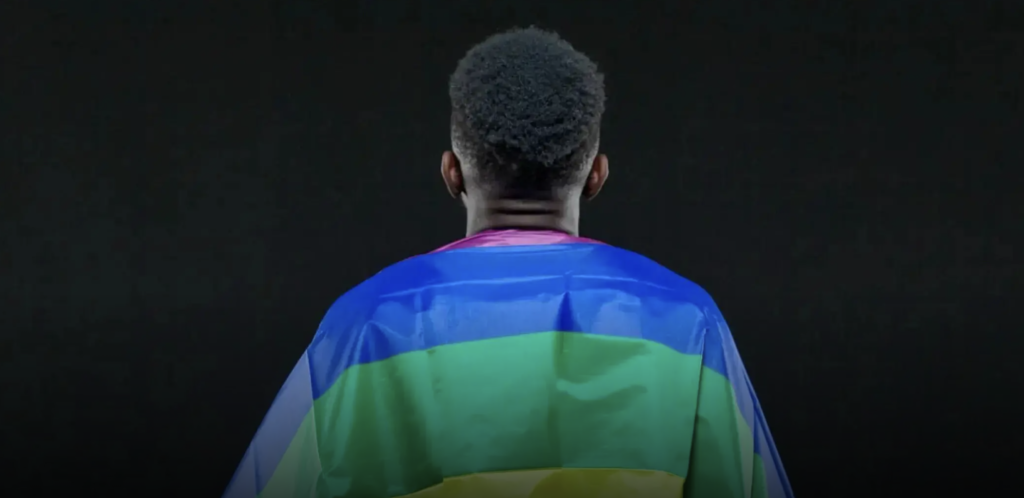
State-sponsored homophobia in Ghana is reaching alarming new levels. Same-sex relationships are already punishable by up to three years in prison, but a proposed law aims to increase the sentence to five years. Even more concerning, any form of “promotion, sponsorship, or support” for LGBTQ+ activities could also lead to criminal prosecution. If passed, Ghana will enforce one of the most repressive anti-LGBTQ+ laws in Africa.
The bill was initially approved by Ghana’s parliament in February 2024, but former President Nana Akufo-Addo left office without signing it. Now, ten lawmakers have reintroduced it, reigniting fear among the country’s queer community.
Ghanaian trans woman and LGBTQ+ activist Va-Bene Elikem Fiatsi describes the bill’s return as “heartbreaking and unbearable.” She warns that this law could be weaponized against activists, journalists, and anyone offering support to queer individuals. Yet, she remains resolute: the fight for LGBTQ+ rights will not stop.
Ghana’s own Ministry of Finance has raised red flags about the economic fallout this law could trigger. At stake? $3.8 billion in World Bank funding and a $3 billion loan from the International Monetary Fund, both of which could be jeopardized if the country continues down this path. Still, supporters of the bill argue that it upholds Ghana’s “cultural and religious values” and insist that foreign institutions should not interfere with national legislation.
Meanwhile, LGBTQ+ Ghanaians are left to wonder: how much longer will their very existence be treated as a crime?
This article was inspired by a story originally published on WINQ magazine, a leading platform highlighting LGBTQIA+ experiences and perspectives in The Netherlands.
You may also like
-
At Liège’s Queer Families Festival, Every Family Has a Story
The third edition of the Queer Families Festival takes place on 11 October at the
-
Türkiye’s LGBTQIA+ Community Faces a New Wave of Pressure
LGBTQIA+ people in Türkiye are living through a sharp escalation in state pressure: Pride events
-

Fiji Declares a National HIV Emergency — and the World Must Pay Attention
Fiji has declared a national HIV emergency after a dramatic rise in diagnoses: 2,016 people
-

“After”: Listening to LGBTQIA+ Survivors Speak About Intimate Partner Violence
On 8 October, Tels Quels invites people to Les Grands Carmes in central Brussels for
-

Balkan Trafik! Turns Brussels’ Bourse into a Three-Day Balkan Universe
After a year away, Balkan Trafik! returns to Brussels from 19 to 21 November 2026