

Can a teacher lose his job for writing about queer sex under a pseudonym? In Poland, he did. But in February, the European Court of Human Rights (c) said: not so fast.
In P. v. Poland, the Court ruled that firing a secondary school teacher for publishing an explicit blog for adult gay men violated his right to freedom of expression. The blog—personal, sexual, queer—was never linked to his professional role. Still, Polish authorities claimed it clashed with “social mores” and posed a threat to students’ moral education.
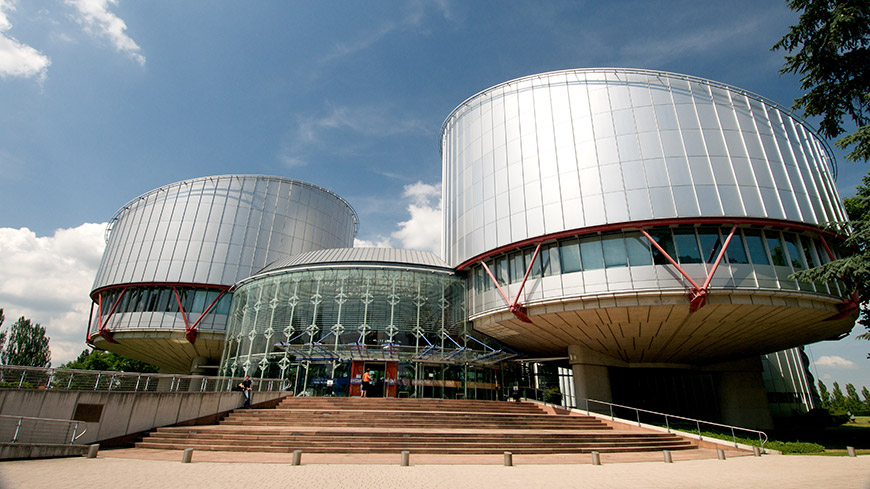
The Court disagreed. It stressed that personal expression—even sexual and queer—deserves protection, especially in countries where LGBTQIA+ rights are under pressure. While it stopped short of saying the teacher was fired because he was gay, the Court did consider the blog’s same-sex content relevant to its decision.
ILGA-Europe, Campaign Against Homophobia (KPH), and PSAL had intervened, reminding the Court of Poland’s hostile climate towards queer people. Their message: queer visibility shouldn’t cost anyone their career.
This ruling doesn’t erase the discrimination the teacher faced. But it sends a message across Europe: queer voices, even the messy, sexy, complicated ones, matter. They are part of the tapestry of free speech—and deserve a place in the public square.
You may also like
-
Türkiye’s LGBTQIA+ Community Faces a New Wave of Pressure
LGBTQIA+ people in Türkiye are living through a sharp escalation in state pressure: Pride events
-
Fiji Declares a National HIV Emergency — and the World Must Pay Attention
Fiji has declared a national HIV emergency after a dramatic rise in diagnoses: 2,016 people
-

Balkan Trafik! Turns Brussels’ Bourse into a Three-Day Balkan Universe
After a year away, Balkan Trafik! returns to Brussels from 19 to 21 November 2026
-

In Myanmar, the Spirit Wives Keep Dancing
Near Mandalay, in a country torn apart by civil war, the annual Taungbyone festival has
-

Five Equality Champions Remind WorldPride What Queer Progress Looks Like
On 5 August, during the WorldPride Human Rights Conference in Amsterdam, UNDP and ILGA World