

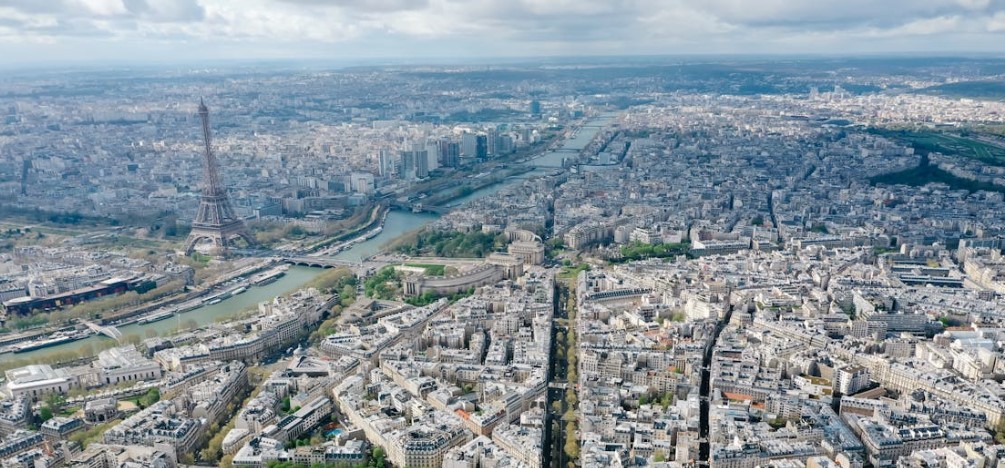
Four bodies were discovered in the Seine river near Paris on August 13, 2025, leading to the arrest and indictment of a young homeless man for multiple murders, with investigators increasingly considering a homophobic motive for the crimes.
Discovery of the Bodies
The bodies of four men were found in the river in the Choisy-Le-Roi area, a southeastern suburb of Paris known as a meeting spot for casual same-sex encounters. A passerby saw one body floating and alerted the police, who then located three more bodies nearby. Forensic investigators confirmed that the victims were all male: two Algerians aged 21, one Tunisian aged 26, and one French national aged 48. Some of the victims were homeless and familiar with the area.
The Suspect and Investigation
The primary suspect is a homeless man in his twenties, reportedly of North African origin, who had often been seen frequenting the riverbank area. During his arrest, authorities uncovered documents suggesting conflicting identities, with both Algerian and Tunisian nationality cited. The suspect, described by prosecutors as uncooperative or silent, was charged on August 24 with multiple murder counts and remanded into custody. While evidence of violence—including strangulation and severe trauma—was found on some victims, investigators have not definitively established links between the deceased beyond their presence in the same location.
Possible Homophobic Motive
French police are actively investigating whether the killings were motivated by homophobia, due to the victims’ profiles and the location’s reputation as a site for same-sex encounters. Advocacy group Stop Homophobie has called for witnesses to come forward and emphasized the importance of clarifying whether the crimes had a homophobic dimension. Prosecutors have yet to officially include homophobia as an aggravating circumstance, but multiple media reports describe concerns about the suspects’ possible targeting of gay men.
Reaction and Next Steps
The suspect remains in protective custody pending further investigation, and French authorities continue to seek witnesses and examine evidence, including surveillance footage and phone records. The case has prompted national debate on violence against marginalized individuals in France and the importance of recognizing homophobia as a possible motive in serious crimes.
You may also like
-

At Liège’s Queer Families Festival, Every Family Has a Story
The third edition of the Queer Families Festival takes place on 11 October at the
-
Türkiye’s LGBTQIA+ Community Faces a New Wave of Pressure
LGBTQIA+ people in Türkiye are living through a sharp escalation in state pressure: Pride events
-

Fiji Declares a National HIV Emergency — and the World Must Pay Attention
Fiji has declared a national HIV emergency after a dramatic rise in diagnoses: 2,016 people
-

“After”: Listening to LGBTQIA+ Survivors Speak About Intimate Partner Violence
On 8 October, Tels Quels invites people to Les Grands Carmes in central Brussels for
-

Balkan Trafik! Turns Brussels’ Bourse into a Three-Day Balkan Universe
After a year away, Balkan Trafik! returns to Brussels from 19 to 21 November 2026