

UK health authorities are warning gay and bisexual men to take extra care and get tested after a sharp rise in sexually transmitted Shigella cases, including strains with worrying levels of antibiotic resistance. New data published by the UK Health Security Agency (UKHSA) on 26 March shows 2,560 diagnoses in England in 2025, up from 2,052 in 2023 and 2,318 in 2024.
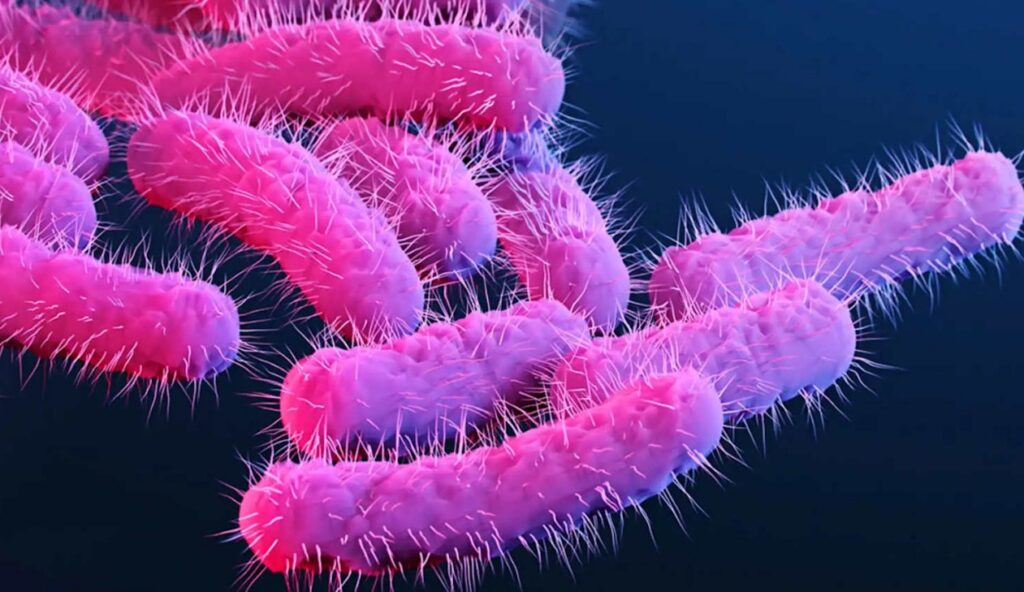
Shigella is a gut infection caused by bacteria found in faeces and can spread during sex, through direct contact, or via unwashed hands. It is often mistaken for food poisoning because the symptoms — diarrhoea, stomach cramps and fever — can appear within one to four days. The infection mainly affects gay, bisexual and other men who have sex with men, which is why UKHSA uses laboratory diagnoses among adult men without recent travel history as an indicator of sexually transmitted cases.
Antibiotic resistance is the concern
What makes the current rise particularly alarming is the resistance profile. In 2025, 86% of Shigella sonnei samples and 94% of Shigella flexneri samples tested showed resistance to antibiotics, while more than half of S. sonnei cases were classified as extensively drug-resistant. That means treatment options for more severe cases are becoming increasingly limited.
UKHSA says most cases will resolve without treatment, but the agency is urging people not to ignore symptoms and to seek medical advice if they feel unwell. Dr Katy Sinka, head of the STI section at UKHSA, said the risk can be reduced through good hygiene during and after sex, as well as condom use.
What gay and bi men should know
The advice from UKHSA and NHS-linked sexual health services is clear: if you have Shigella, avoid sex until seven days after your last symptom, do not share towels or use pools or hot tubs, and get a full sexual health screen, including HIV testing. Free testing is available through local sexual health clinics and, in some areas, via self-sampling kits by post.
Preventive steps are practical but important: wash hands, genitals and bottom with soap after sex; avoid oral sex straight after anal sex; change condoms between oral and anal sex; and do not share sex toys, douching equipment, or towels. Health services also recommend seeking care if diarrhoea appears after sexual contact, especially if symptoms are persistent or severe.
Why this matters for LGBTQ+ health
This is not only a hygiene story; it is also a reminder that sexual health messaging still needs to be tailored to the realities of queer lives. Public-health campaigns work best when they are specific, non-judgmental, and community-aware. Here, that means speaking directly to gay and bisexual men, explaining the risks clearly, and normalising testing as part of routine sexual wellbeing.
At a time when antibiotic resistance is becoming a broader global concern, the rise in drug-resistant Shigella is another example of why sexual health access, education and testing remain essential. The message from UKHSA is simple: if you have symptoms, get checked — and if you do not, prevention still matters.
Belgium and Brussels
Sciensano says Belgium has around 300–400 shigellosis cases per year, and its 2024 annual report shows 510 unique Shigella strains typed in 2024, with a noticeable rise in the second half of the year. The agency also notes that the annual number of cases has continued to increase since 2022, including in the context of sexually transmitted, drug-resistant strains.
Brussels is included in the Belgian surveillance and prevention framework, and public-health guidance specifically recommends reinforcing notification and awareness in Brussels and Wallonia. That means cases are being observed in the city, even if public summaries do not always break the numbers down by municipality.
Why public-health services care
The main concern is not only the number of cases, but also antibiotic resistance. Sciensano reported that in Belgium the spread of extensively drug-resistant Shigella sonnei among gbMSM has been a particular issue, and the ECDC has also documented cross-border spread in Europe. In other words, this is a European public-health issue, not just a local one.
Where to get tested in Brussels
If you are in Brussels and want to get checked, Depistage.be lists STI screening centres in the city, including services targeted to men who have sex with men and trans/non-binary people. The Plateforme Prévention Sida and Cool and Safe also provide practical testing information and centre listings.
- Depistage.be Brussels testing list: Where can I get tested for STIs in Brussels?
- Sciensano Shigellosis overview: Shigellosis | Sciensano
- Sciensano Belgium update on resistant Shigella among gbMSM: Primary risk assessment
In practice
So the short answer is: yes, Shigella is present in Belgium and Brussels, and health authorities are aware of it. If someone has symptoms such as diarrhoea, stomach cramps or fever after sexual contact, testing is worth considering, especially because Shigella can be mistaken for food poisoning.
KET Magazine is a community‑driven, non‑profit magazine run by volunteers based in Brussels. Get in touch to share your thoughts or tell us about your activities. You can also promote your events on our website or support our work with a donation. Contact us at Info@ket.brussels.

You may also like
-

Türkiye’s LGBTQIA+ Community Faces a New Wave of Pressure
LGBTQIA+ people in Türkiye are living through a sharp escalation in state pressure: Pride events
-

Fiji Declares a National HIV Emergency — and the World Must Pay Attention
Fiji has declared a national HIV emergency after a dramatic rise in diagnoses: 2,016 people
-

Balkan Trafik! Turns Brussels’ Bourse into a Three-Day Balkan Universe
After a year away, Balkan Trafik! returns to Brussels from 19 to 21 November 2026
-

In Myanmar, the Spirit Wives Keep Dancing
Near Mandalay, in a country torn apart by civil war, the annual Taungbyone festival has
-

Sensuelle: A Softer Space to Explore Desire, Connection and Self-Expression
Sensuelle is creating warm, women-centred spaces where sensuality can be explored without performance pressure, shame