
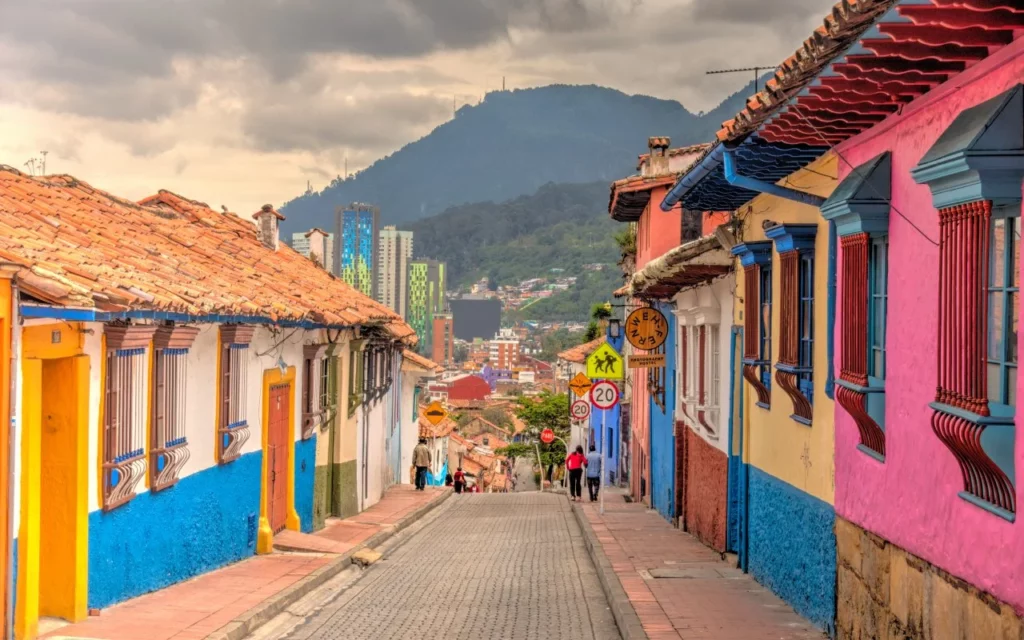
In a major step for gender rights, Colombia now allows citizens to choose “trans” or “non-binary” on official ID documents. From national ID cards to passports, people can finally carry papers that match who they are — not who the state once insisted they be. It’s a practical shift, yes, but also a deeply human one. For many queer Colombians, this is the first time their government has said, clearly and publicly: we see you.
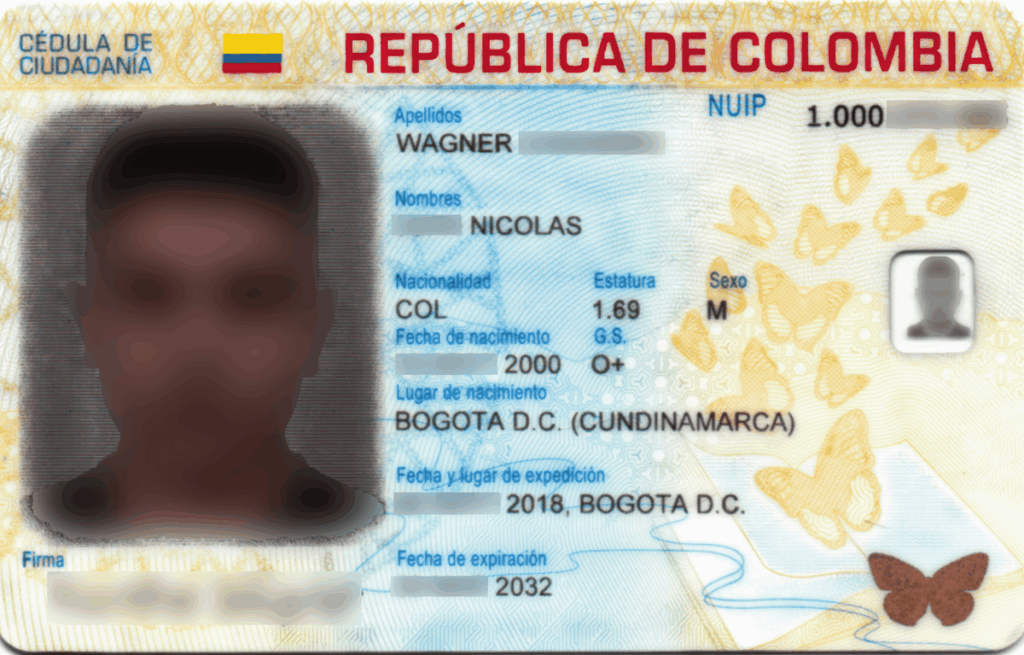
The change follows years of activism, community organising, and legal battles led by trans and non-binary people who were tired of being erased by a simple checkbox. The Constitutional Court ruled that forcing everyone into “M” or “F” violated dignity and equality. The national registry followed through, updating procedures so people could amend their marker without long psychiatric evaluations or humiliating requirements. Even passports now include an “X” option — opening doors not only at home, but across borders.
For LGBTQIA+ communities in Latin America, this is more than an administrative update. It’s safety at airport gates. It’s fewer moments of being questioned, stared at, or pushed into explaining your existence to strangers. It’s the relief of handing over an ID and not bracing for conflict. It’s the freedom to move through the world as yourself.
Still, as activists in Colombia remind us, the work is far from done. Changing paperwork doesn’t instantly erase discrimination, poverty, or barriers to healthcare. Not everyone can easily navigate bureaucracy, and trans people — especially those who are racialised, migrants, or living in precarious conditions — still face exclusion. But this step matters. It sets a legal foundation that communities can build on. It tells young queer Colombians that their future can look different from their past.
And from Brussels, watching from a city where many queer people carry their own stories of navigating state systems, the message resonates. Progress anywhere strengthens hope everywhere. Colombia’s move invites other nations to rethink how identity is recognised, protected, and respected.
In a world where LGBTQIA+ rights are under attack in so many places, this moment feels like a reminder: visibility is powerful, and change is possible. When a state chooses inclusion, it doesn’t just update documents — it expands belonging. And belonging is what all our communities deserve.
Estimated reading time: 0 minutes
You may also like
-

At Liège’s Queer Families Festival, Every Family Has a Story
The third edition of the Queer Families Festival takes place on 11 October at the
-
Türkiye’s LGBTQIA+ Community Faces a New Wave of Pressure
LGBTQIA+ people in Türkiye are living through a sharp escalation in state pressure: Pride events
-
Fiji Declares a National HIV Emergency — and the World Must Pay Attention
Fiji has declared a national HIV emergency after a dramatic rise in diagnoses: 2,016 people
-

“After”: Listening to LGBTQIA+ Survivors Speak About Intimate Partner Violence
On 8 October, Tels Quels invites people to Les Grands Carmes in central Brussels for
-

Balkan Trafik! Turns Brussels’ Bourse into a Three-Day Balkan Universe
After a year away, Balkan Trafik! returns to Brussels from 19 to 21 November 2026