

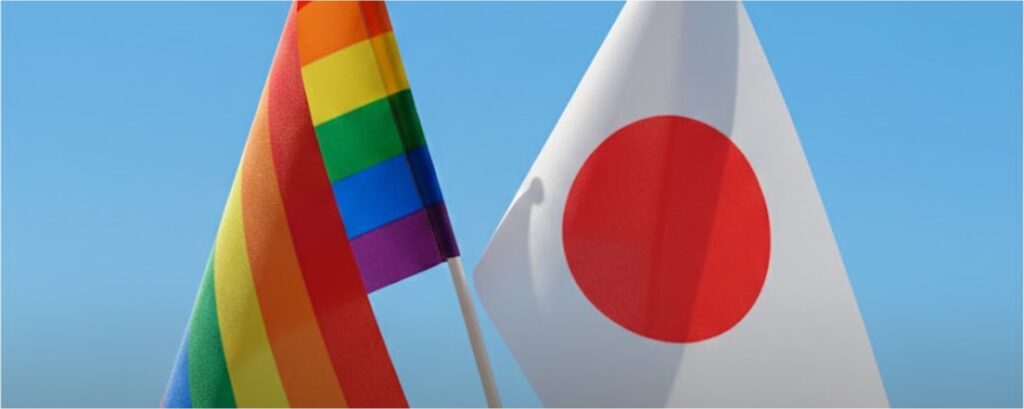
Last Friday, the Tokyo High Court upheld Japan’s ban on same-sex marriage, ruling that the civil code is still “reasonable” in defining marriage only as the union of a man and a woman. The decision stunned many, especially because the same court had previously ruled the ban unconstitutional. A new panel of judges reversed that progress, becoming the only high court so far to side with the federal government.
Outside the courthouse, the ruling hit differently. Plaintiffs and supporters had gathered with quiet hope, holding hands, holding signs, holding each other. When the verdict was announced, frustration rippled through the crowd.
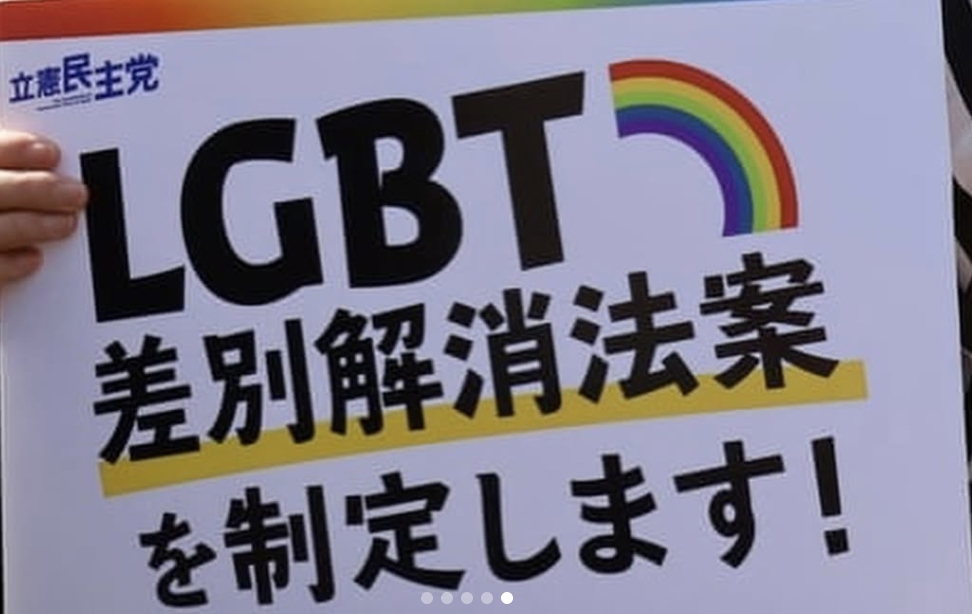
“I’m very disappointed… Were the judges even listening to us?” said plaintiff Hiromi Hatogai. Another plaintiff, Rie Fukuda, added: “We just want to get married and be happy, like anyone else. Society is changing. We won’t give up.”
Their determination comes after years of legal battles. Since 2019, six lawsuits have challenged the constitutionality of Japan’s marriage ban. Five high courts — in Sapporo, Tokyo (earlier), Fukuoka, Nagoya and Osaka — ruled that the ban violates equality. Tokyo now stands alone in the opposite direction. With all rulings delivered, the fight is moving toward the Supreme Court, where a final judgment could redefine LGBTQIA+ rights nationwide.
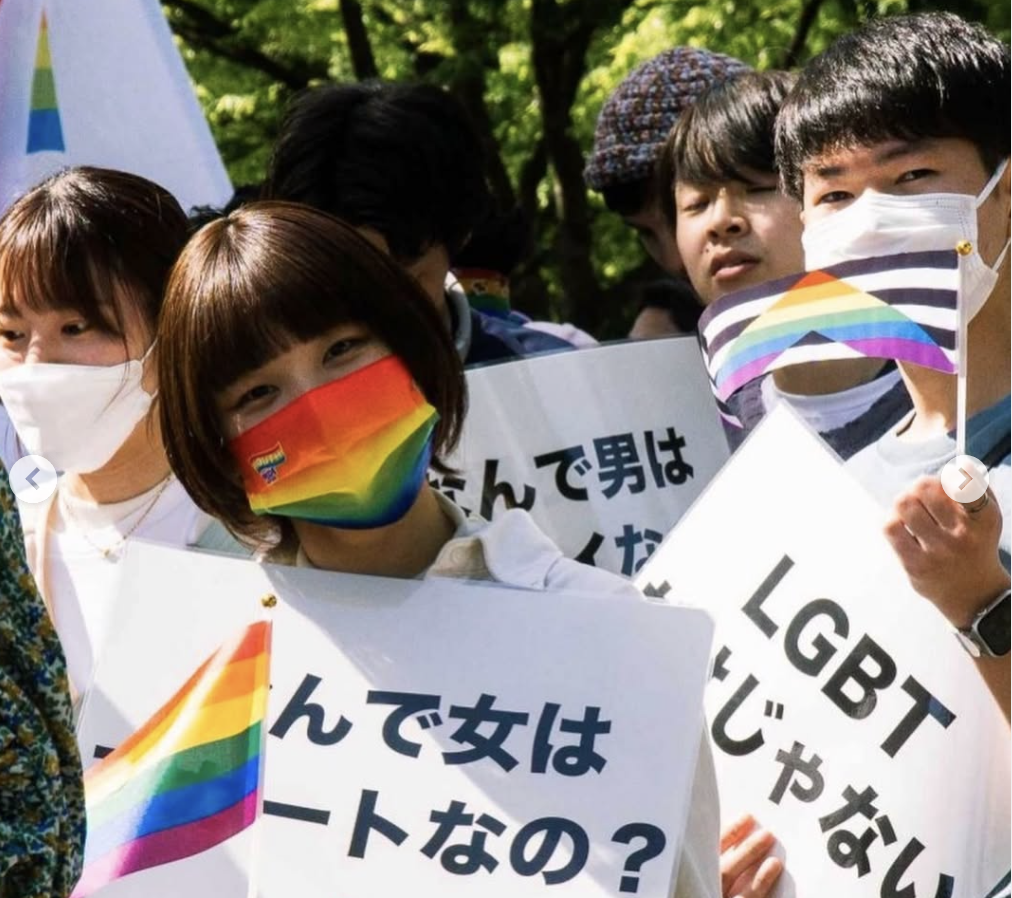
Human rights groups reacted quickly. Amnesty International called the decision “a significant setback,” warning that it must not slow the broader push for equality. Japan remains the only G7 country that does not recognise same-sex marriage or offer equivalent legal protections to queer couples. And with conservative prime minister Sanae Takaichi opposing marriage equality, political change may be slow.
Still, something deeper is shifting. Public support keeps growing. Young couples keep putting their lives and love on the record. Community groups across the country continue to organise, educate, and care for one another.
This ruling is a setback — but not the end of the story. Japan’s marriage equality movement is alive, visible, and rooted in hope. And as long as queer couples keep standing up for their right to love, the country’s future will keep moving toward justice.
You may also like
-

At Liège’s Queer Families Festival, Every Family Has a Story
The third edition of the Queer Families Festival takes place on 11 October at the
-

Türkiye’s LGBTQIA+ Community Faces a New Wave of Pressure
LGBTQIA+ people in Türkiye are living through a sharp escalation in state pressure: Pride events
-

Fiji Declares a National HIV Emergency — and the World Must Pay Attention
Fiji has declared a national HIV emergency after a dramatic rise in diagnoses: 2,016 people
-

“After”: Listening to LGBTQIA+ Survivors Speak About Intimate Partner Violence
On 8 October, Tels Quels invites people to Les Grands Carmes in central Brussels for
-

Balkan Trafik! Turns Brussels’ Bourse into a Three-Day Balkan Universe
After a year away, Balkan Trafik! returns to Brussels from 19 to 21 November 2026