
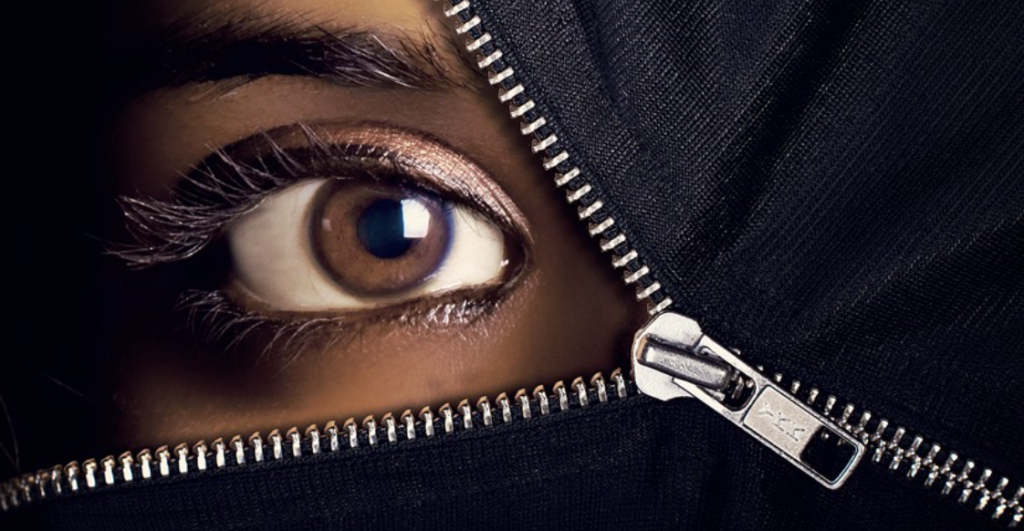
Brussels wears its rainbow colors proudly, but beneath the surface, LGBTQ+ people are still at risk. The recent homophobic attack on bus 66 is not an isolated case—it’s not just another warning sign. It is the consequence of too many ignored warning signs. The limits have been crossed. If this goes unpunished, it sets a dangerous precedent, the beginning of a hunt in complete impunity.
Lucas Ablotia, a journalist in exile from Georgia, and his transgender friend were simply trying to exist in public when they were asked, “Are you gay?” Their honesty was met with violence: a blow to the head, punches, and a knife-wielding aggressor. The perpetrators escaped before police could intervene.
For Lucas, this attack has shattered his sense of security. “I thought Brussels was a safe city for people like us,” he said. “Now I feel like I have to look over my shoulder again.” But this is not just an LGBTQ+ issue—it raises broader concerns about safety in Brussels, for everyone, including women. Many of us have been sounding the alarm for months. How many more incidents will it take before real action is taken?
At the same time, it is important to acknowledge the efforts made. Some associations, administrations, and even a few politicians have done their part. There have been initiatives, steps taken to improve safety. But clearly, it hasn’t been enough.
Brussels cannot continue to brand itself as an inclusive city while queer people are attacked in broad daylight. It’s time for real change—harsher penalties for hate crimes, better protections, and a city that actively defends its LGBTQ+ residents.
This is an eyeopener. Brussels must do better !
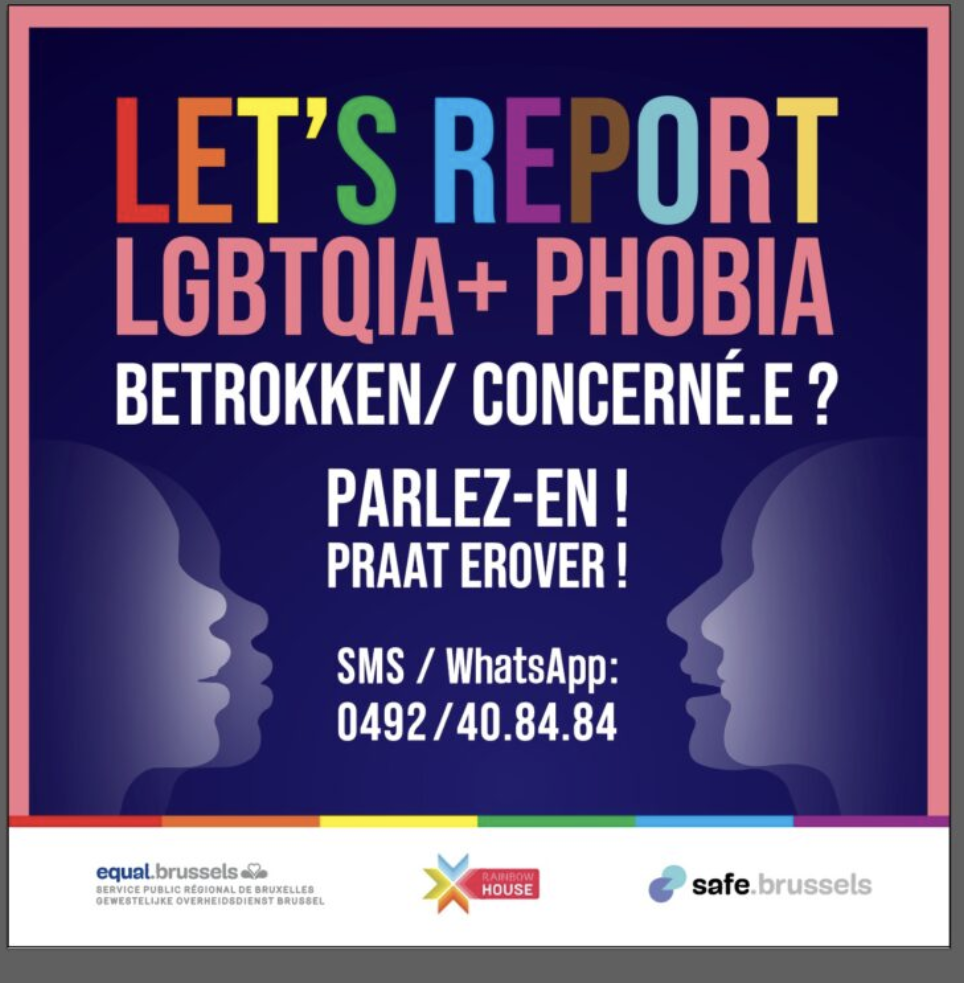
And if you are a victim or witness of an attack, don’t hesitate to report it. Complaints can be filed anonymously, and organizations like RainbowHouse are there to help: Find out more here
You may also like
-

At Liège’s Queer Families Festival, Every Family Has a Story
The third edition of the Queer Families Festival takes place on 11 October at the
-

“After”: Listening to LGBTQIA+ Survivors Speak About Intimate Partner Violence
On 8 October, Tels Quels invites people to Les Grands Carmes in central Brussels for
-
Liège’s Maison Arc-en-Ciel Needs Support to Keep Its Doors Open
Maison Arc-en-Ciel de Liège, a vital LGBTQIA+ community hub in Wallonia, is facing growing financial
-
Garden Party de la Maison Arc-en-Ciel de Liège
Liège’s Maison Arc-en-Ciel is bringing back its annual Garden Party on Saturday 5 September 2026.
-
IGLYO Wants to Hear From You: Europe’s Biggest LGBTQI School Survey Is Back
IGLYO, the Brussels-based international LGBTQI youth network, has just launched the second edition of its