
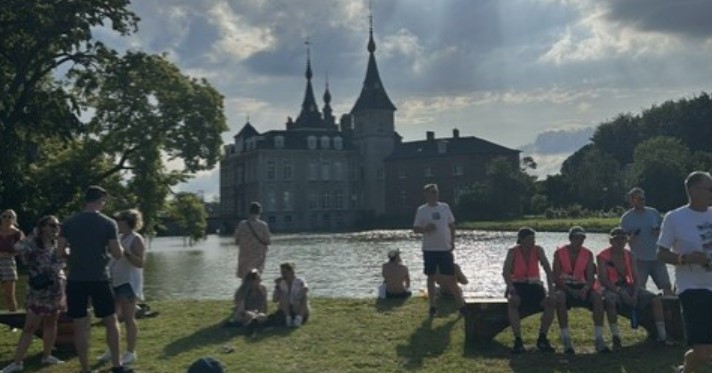
For its 11th edition, Paradise City turned Steenokkerzeel into a three‑day experiment in sustainable club culture – and Ket was there, sweating, dancing and watching it all unfold. Between tropical heat, violent storms and a forced early closure on Saturday night, the festival had every reason to derail, yet managed to keep people safe and the music going. For Brussels’ queer and allied crowd, this weekend showed how electronic festivals can care for bodies, the planet and community, even when the sky decides to test everyone’s limits.
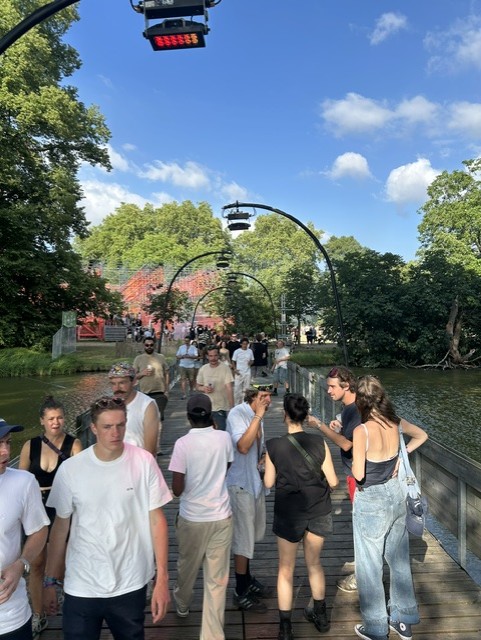
A Festival That Refuses to Break
Paradise City 2026 will clearly go down as “the hot one”: three sold‑out days, record temperatures and then a brutal storm on Saturday night. In agreement with the commune and emergency services, the organisers made the call to shut the site at 22:00 – a disappointing moment, but also a rare example of a music festival putting safety above spectacle.
From our Ket vantage point – half mud, half glitter – what stood out wasn’t just the weather drama, but the calm coordination: staff guiding people out without panic, clear announcements, and a crowd mostly willing to follow instructions, even with favourite acts cancelled. In a European context where we’ve seen how dangerous “push through at all costs” can be, this felt like a responsible, grown‑up way to handle chaos that still respected the audience.
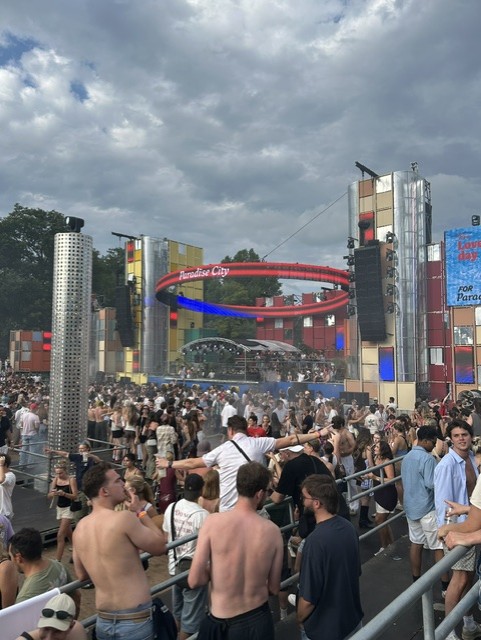
Queer Journeys Through Sound
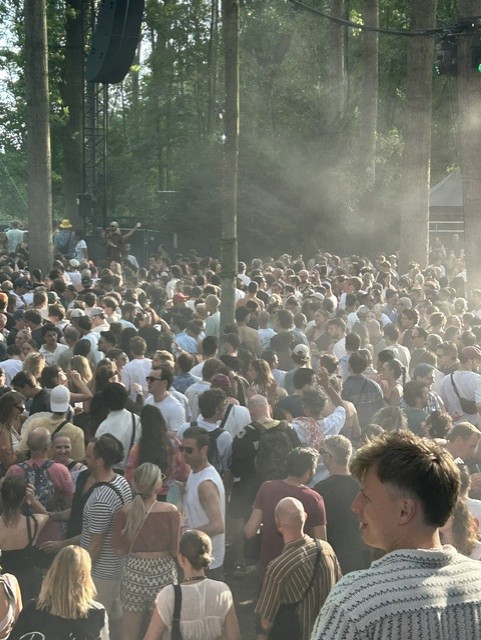
Paradise City might not be “branded” as a queer festival, but for many LGBTQIA+ folks from Brussels and beyond, it has become a staple: a place where you can be visibly queer in a mostly straight crowd and still feel relatively safe, expressive and welcome. Over the weekend, we crossed paths with plenty of people who also follow Ket’s coverage of Brussels’ queer nightlife and festivals – from Various Voices’ choir city vibes to MEXA’s politicised theatre and Queer Mess’ open‑air chaos.
Musically, the range was wide: De Jeugd van Tegenwoordig burning down the Concert Hall, Interplanetary Criminal turning the Forest Stage into a sweaty rave, mischluft and Jyoty delivering some of Saturday’s boldest sets before the storm, Marlon Hoffstadt electrifying the Castle Stage, Floating Points hypnotising a forest full of tired but very committed dancers. In between, Belgian artists like Helena Lauwaert, Bibi Seck, DC Noises & Shoplifter or Erykah reminded us how strong the local scene is – the same ecosystem we often highlight at Ket when we talk about Brussels’ clubs, collectives and parties.
For queer festival‑goers, that diversity matters: there were spaces for big sing‑alongs, deeper listening, and quiet dancing with your crew away from the main crush. It’s not a safer‑space in the strict sense, but it’s an event where different bodies and styles increasingly seem to belong.
Dancing Through a Heatwave
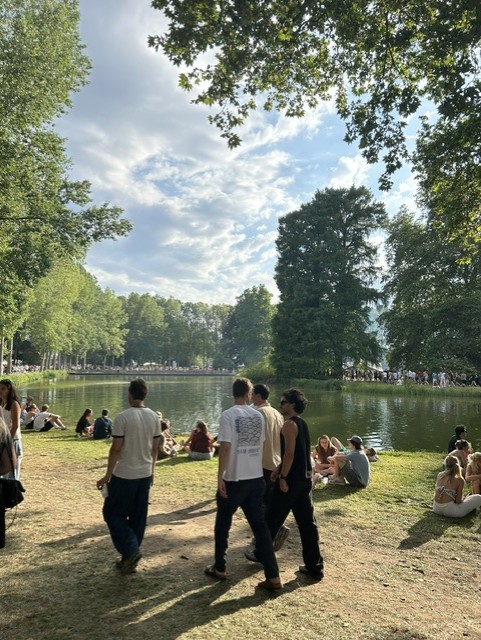
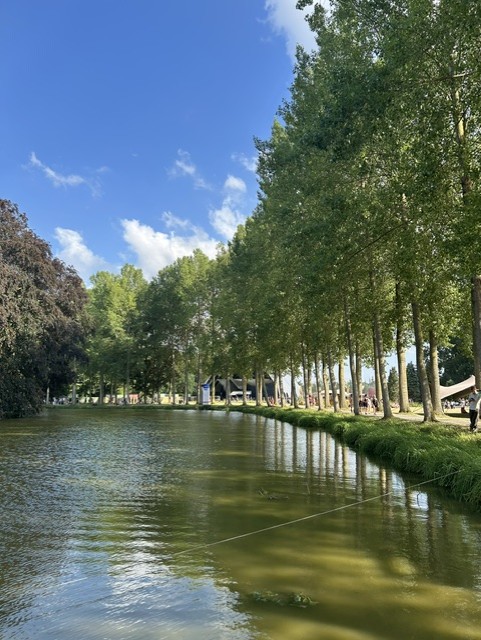
The canicule wasn’t an abstract backdrop – it shaped the experience hour by hour. Paradise City deployed a full “heat plan”: mist cannons, spray systems on stages, 76 extra fans, more shade, free drinking water points and refresh zones at the campsite. It didn’t make the heat vanish, but it did make it bearable and helped people stay on their feet without collapsing.
From a queer perspective, this attention to care matters as much as the line‑up. Many of us know what it’s like to navigate crowded events while dealing with anxiety, chronic conditions, dysphoria or simply the pressure of visibility. Knowing that the festival was actively trying to keep people hydrated, cooled and looked‑after set a different tone: less “survive it”, more “enjoy it without destroying yourself”.
Despite the extreme conditions, medical interventions reportedly stayed at a normal level for a Paradise City edition – an indicator that planning and cooperation between teams and public did what they were supposed to do.
Sustainability as a Queer Ally
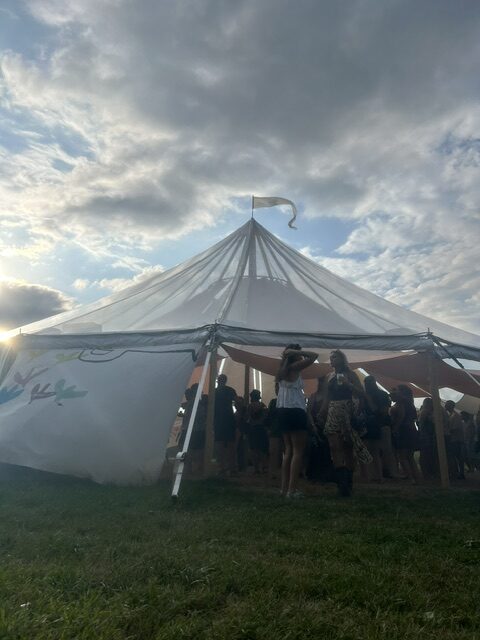
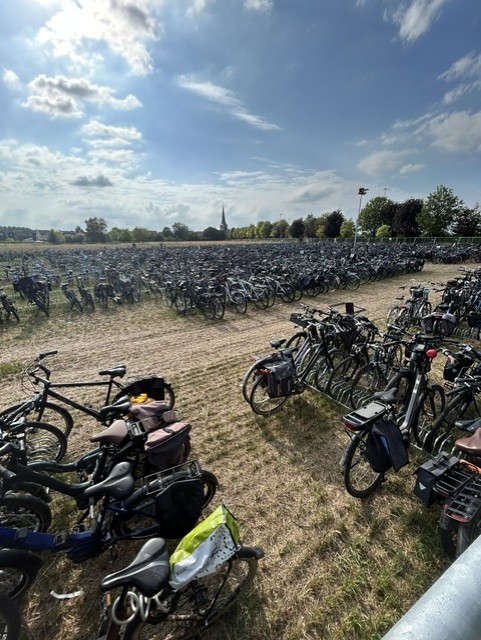
Paradise City’s sustainability narrative is more than branding. This year again, the festival invested in greener mobility, renewable energy, reusable materials and circular waste. On the campsite, a pilot project introduced 700 reusable tonnelles (canopies), fully booked in advance – a concrete step away from throwaway camping gear and toward a more circular experience.
Why mention this in Ket? Because queer culture has long been about re‑using, re‑mixing and caring for shared spaces – from DIY parties to community centres. When a major electronic festival treats sustainability as central, not decorative, it aligns with many of the values we also see in Brussels’ queer initiatives: responsibility to land, people and future gatherings. For LGBTQIA+ festival‑goers who care about both nightlife and climate justice, Paradise City feels like a place where those conversations can coexist.
Thank You, Teams and Crowd
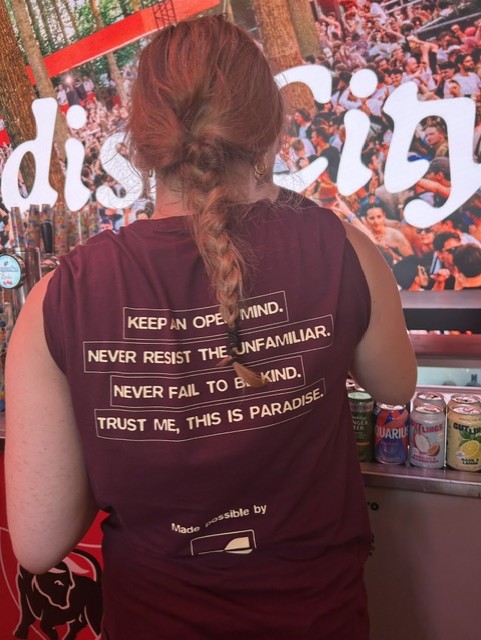
Across three days, what impressed us most wasn’t only the big names or headline moments, but the human infrastructure: production crews reinforcing stages against wind, campsite teams adding shade, bar staff serving under impossible temperatures, medics staying alert, and security managing an early closure without escalating tensions.
As Gilles De Decker, co‑founder of Paradise City, said after the weekend, everyone “gave everything” to keep the festival alive under extreme circumstances. From what we saw on site, that’s not an exaggeration. And the audience – including queers from Brussels, Antwerp, Ghent, Liège and far beyond – responded with patience, care and a willingness to adapt when plans changed.
Paradise City 2026 may not have been “perfect”, but it did show that big festivals can choose resilience, safety and sustainability without losing soul. For us at Ket, that’s a hopeful note to end on – and a good sign for the future of electronic, inclusive, slightly muddy summers.
KET Magazine is a community‑driven, non‑profit magazine run by volunteers and based in Brussels. You can find our other music and nightlife stories on ket.brussels, and you can always write to us to share your projects or pitch a story: info@ket.brussels
You may also like
-

Endless Summer Camp: Scout Rules Meet Queer Desire at Balsamine
Summer might be over, but Sophie Guisset has other plans. From 19 to 28 November
-

Escher in Brussels: Who Said Reality Had to Behave?
Staircases refuse to play by the rules, birds become fish, and two hands draw each
-
When Nuns Go Pirate: A Queer Sacred Thriller at Varia
What happens when lesbian love, religious memory and horror theatre enter a locked convent—and refuse
-
KET in Paris — Le Hasard Ludique, Where the Tracks Lead to Music
For this stop in our KET in Paris series, we visited Le Hasard Ludique, a
-

Eli Is Bringing Her Colourful Pop Universe to Brussels
American singer-songwriter Eli is heading to Brussels this autumn for an intimate show at the