
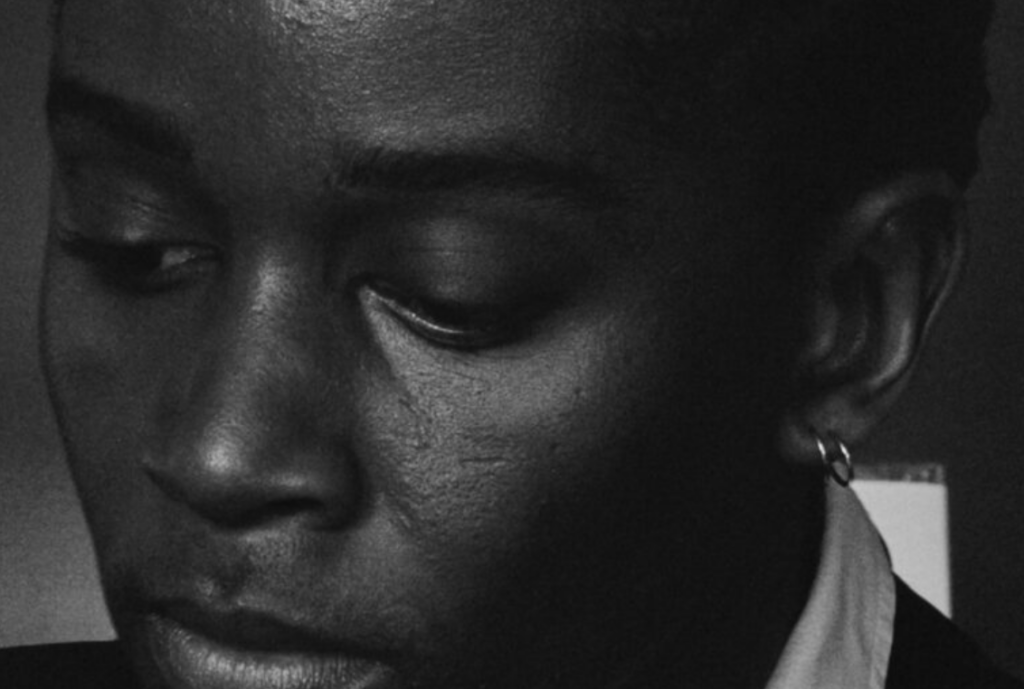
On a summer evening in Brussels, when the bass settles into your chest and the crowd begins to move as one, there is a particular kind of freedom that takes shape. It is not loud in words, yet it is unmistakable. For Kevin Legolane, better known behind the decks as Legolane, this space between sound and sensation is where identity, community, and emotion meet.
Born near Paris with Congolese roots and now based in Brussels, Legolane carries multiple geographies within him. Yet he does not define himself by borders. Movement, he says, has shaped him more than origin. Travel, encounters, and shifting energies have become the real architecture of his identity, something fluid and evolving rather than fixed.
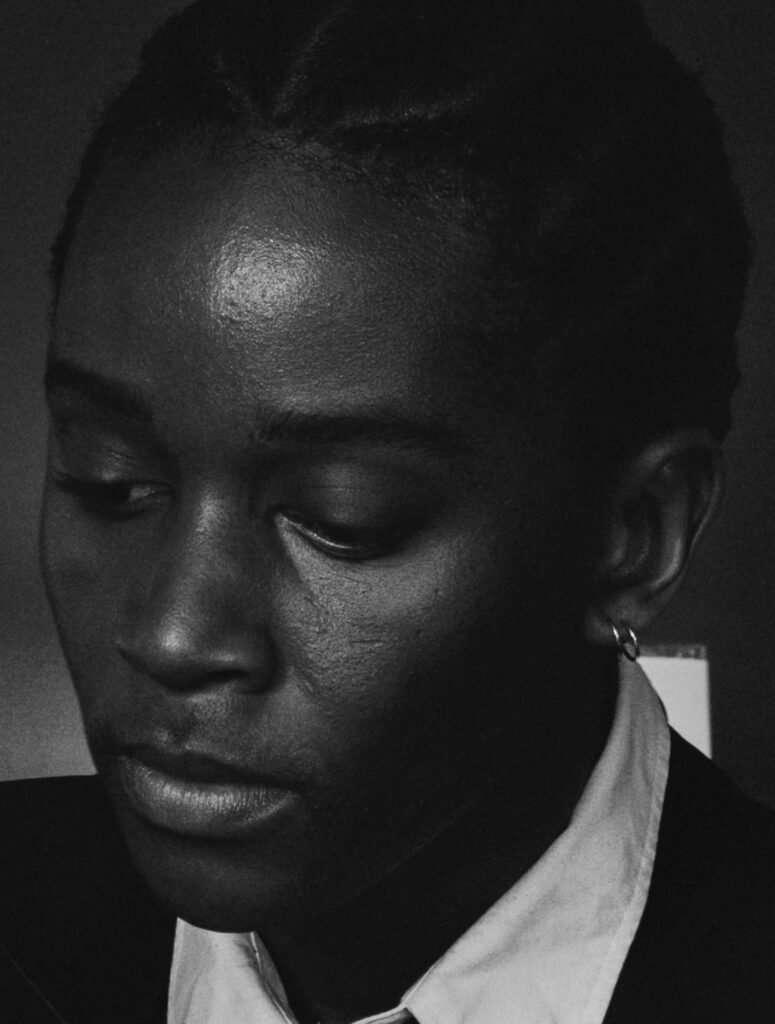
His connection to music began early, rooted in the sounds of his parents’ Congolese heritage. Even his name carries that lineage, drawn from his grandfather and pronounced “Lengola” in Congo. It is a reminder that identity can echo across generations while still transforming in the present.
The first moment he truly felt like himself did not happen on a stage, but in a different kind of spotlight. At seventeen, he entered the world of modeling. It was there, among new forms of expression and diverse perspectives, that something clicked. “It wasn’t only about image, it was also about finding intellectual and personal resonance,” he recalls. That period allowed him to understand himself more clearly, including his sexuality, and to step into a fuller sense of self.
Today, that sense of self extends into his music, where genres dissolve into feeling. His sets weave together Hard Groove, Trance, Baile Funk, and Ballroom, not as a technical exercise but as an emotional language. What matters is not the category, but the energy. Tension builds, release follows, and somewhere in that cycle, a collective pulse emerges.
Watching him play, it becomes clear that the connection with the crowd is not a performance but a dialogue. He dances behind the decks, immersed in the same rhythm as everyone else. “I want to be with them,” he says, emphasizing that shared experience. It is this sincerity that transforms a set into a moment of belonging.
That belonging takes on a deeper meaning in queer spaces. While Legolane moves comfortably across all kinds of dancefloors, he speaks of queer parties with a particular warmth. “That’s where my people are.” In those spaces, the freedom he describes becomes tangible, not as an abstract idea but as a lived reality, even if only for a night.
Yet freedom, as he defines it, should not be temporary. It should not be confined to specific venues or events. “Freedom means being able to exist as yourself everywhere, not just in certain spaces.” It is a simple statement, but one that resonates deeply in a time when LGBTQIA+ rights across Europe and beyond face renewed challenges.
This tension between celebration and reality is especially visible during Pride. For Legolane, performing on Pride stages carries both joy and responsibility. The energy of thousands of people gathering, dancing, and expressing themselves openly is powerful. But it is also rooted in a history of struggle and in present day political urgency. “There’s the celebration, the beauty of people coming together freely, but there’s also a political reality behind that joy.”
His set at Brussels Pride main stage in 2024 stands out as a defining moment. In front of fifteen thousand people, in the city he calls home, surrounded by friends, he felt both grounded and elevated. Not overwhelmed, but present. It was a reminder that even in large scale events, intimacy can exist, carried through shared energy.
Beyond music, Legolane has expanded his creative universe into fashion, collaborating with houses such as Christian Louboutin and KENZO. For him, the connection is natural. Both fields are about crafting identity and shaping perception. The attention to detail he learned through fashion now informs the way he constructs his sets, each transition considered, each moment intentional.
In Brussels, a city known for its layered identities and vibrant queer scene, his presence feels particularly meaningful. It is a place where different cultures intersect, where languages blend, and where the LGBTQIA+ community continues to build spaces of care and celebration. Artists like Legolane contribute to that ecosystem, not only by performing but by embodying a vision of openness and connection.
Looking ahead, his hopes remain grounded yet expansive. More freedom. More safety. A world where being oneself does not require a specific context or moment. And perhaps most importantly, a community that continues to show up for one another.
Because in the end, what lingers after the music fades is not just the memory of a set, but the feeling of having belonged, even briefly, to something larger. In that shared rhythm, there is both refuge and possibility.
You may also like
-
Lou Trotignon brings transition, testosterone and a little fish energy to Brussels
What if the person everyone expected you to be simply wasn’t you? In Mérou, comedian
-
Meet Benka: the Brussels pop artist who caught our ear at Tels Quels
KET loved discovering Benka at the Tels Quels Talent Show at Les Grands Carmes on
-
Africa Legacy: a different way to look at art history in Brussels
More than 250 works, 22 countries and a conversation across centuries: Africa Legacy – Berceau
-
Adam La Nuit: Making Music Between Worlds
For Adam La Nuit, belonging doesn’t mean choosing one world over another. The Belgian-Congolese artist
-

NAYA brings soul, soft edges and a little “Bagarre” to Café Flora
Brussels-based singer-songwriter NAYA releases her debut EP, Bagarre, on 30 October 2026, with a release