
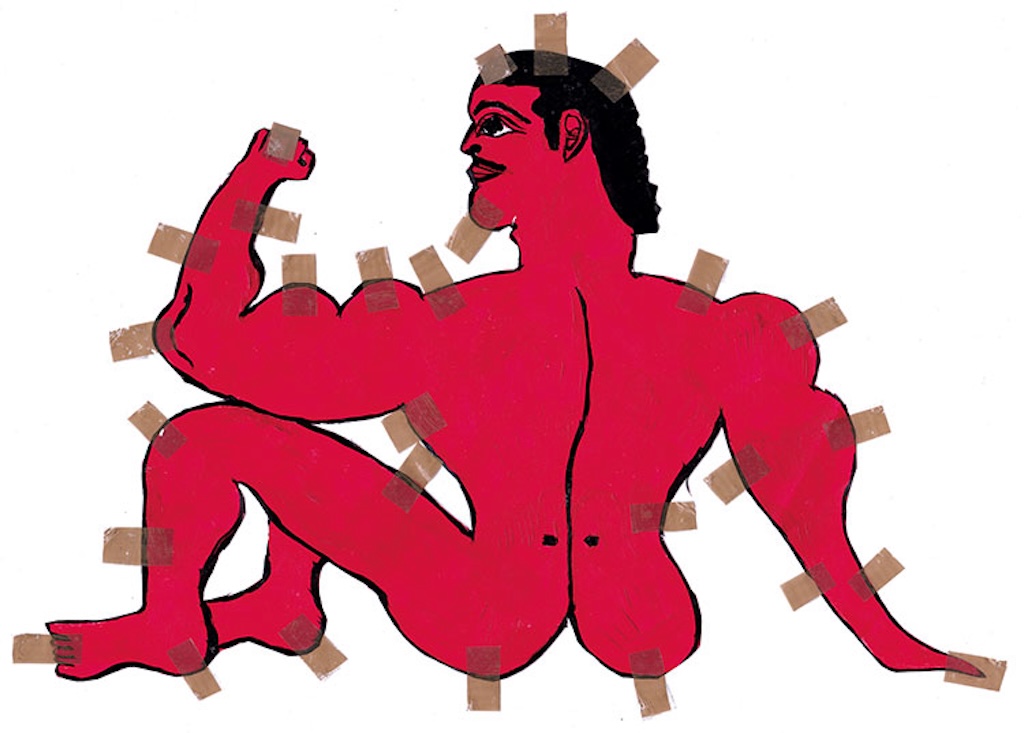
Spring in Brussels recalibrates bodies in space, and Art Brussels 2026 makes that shift tangible. The fair no longer simply presents art. It reshapes how we move, feel and relate to images, histories and each other. With fewer galleries and a sharper focus, this 42nd edition privileges experience over accumulation. Beneath this structure, something quieter unfolds. A sensibility that is not announced but felt, circulating between works, gestures and encounters.

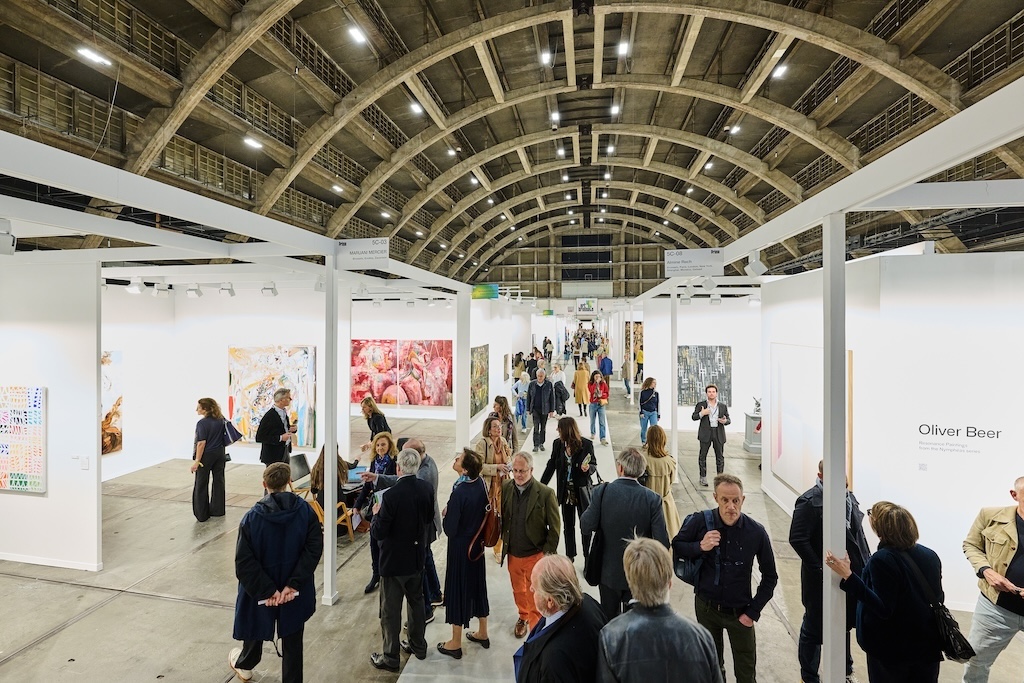
Art Brussels has always been a site of negotiation between past and present, but this year that dialogue feels particularly charged.
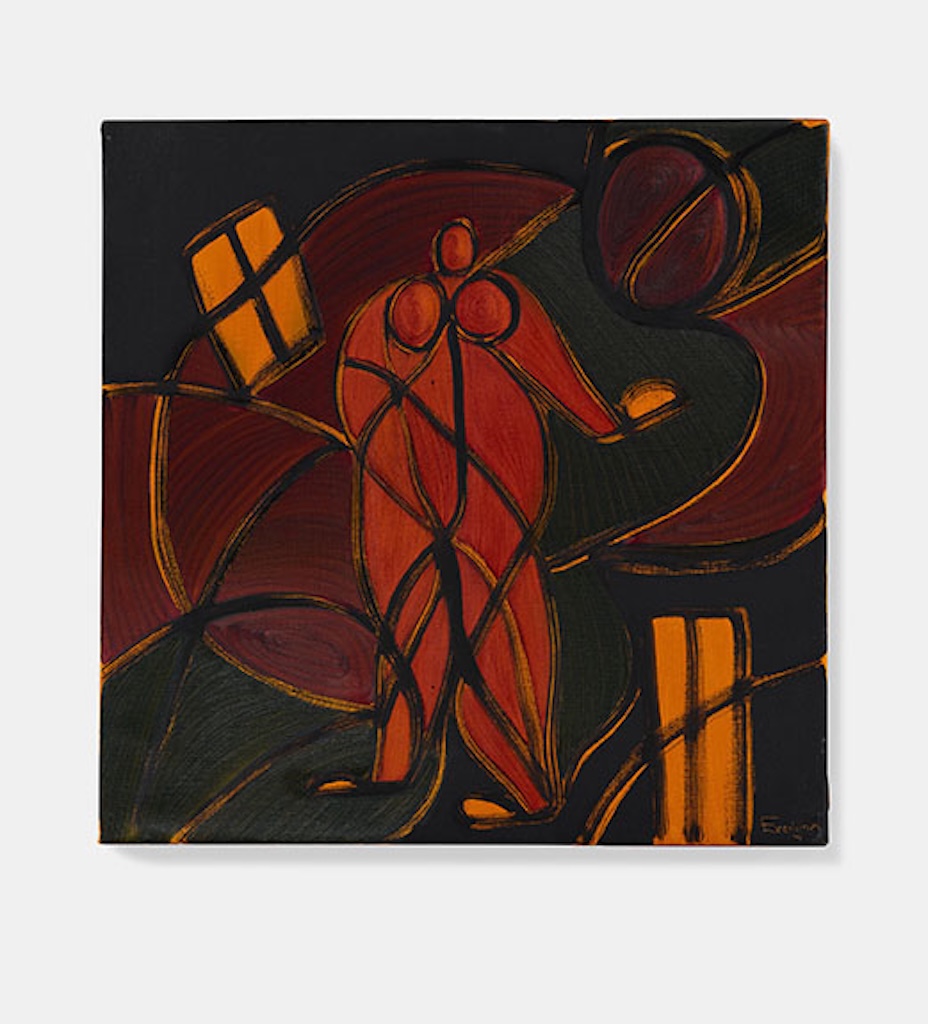
On one end, artists like Everlyn Nicodemus anchor the fair in a deeply embodied history. Her work is layered, autobiographical and marked by diasporic memory. It refuses neutrality. It speaks of trauma, displacement and the politics of visibility, inserting itself into a canon that has too often excluded voices like hers .
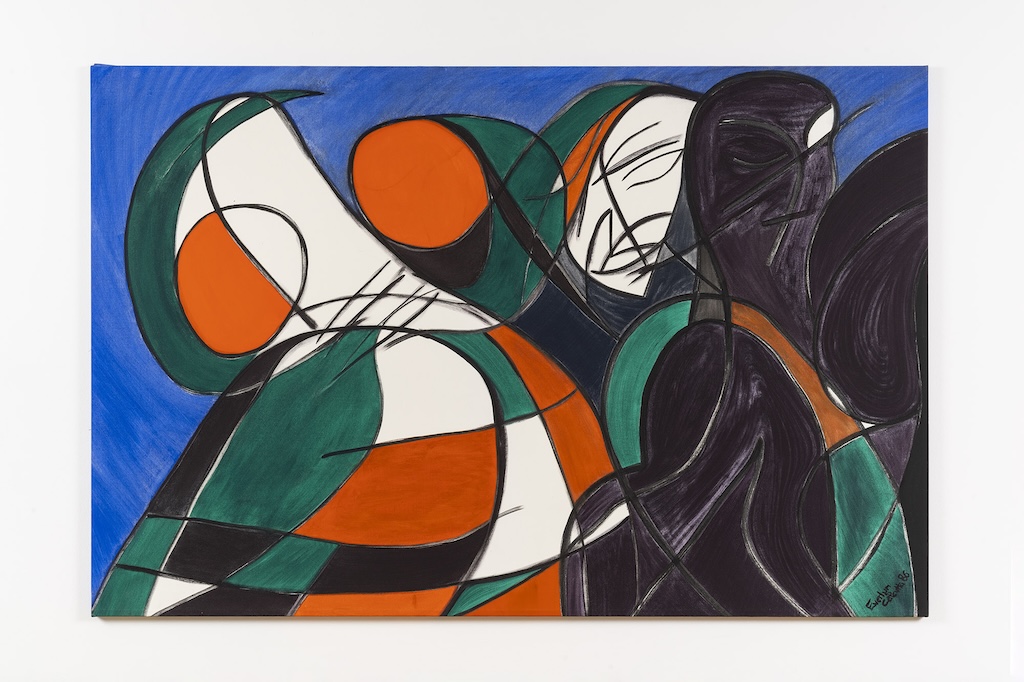
Nearby, a different energy emerges. Galleries such as Keteleer, Lehmann and Reservoir introduce artists whose practices are still unfolding, less fixed, more porous. Their works often revolve around identity, fragmentation and circulation. These themes resonate with ways of understanding the self as fluid, relational and in constant construction .
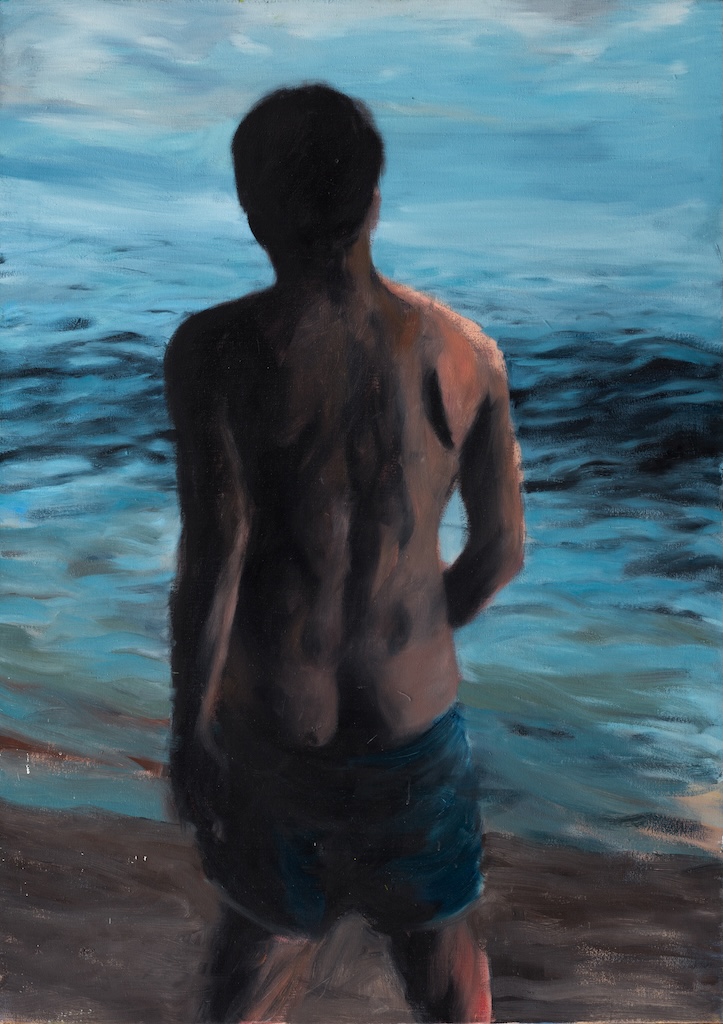
This coexistence is not merely generational. It is conceptual. Stability meets mutation. Memory encounters becoming.
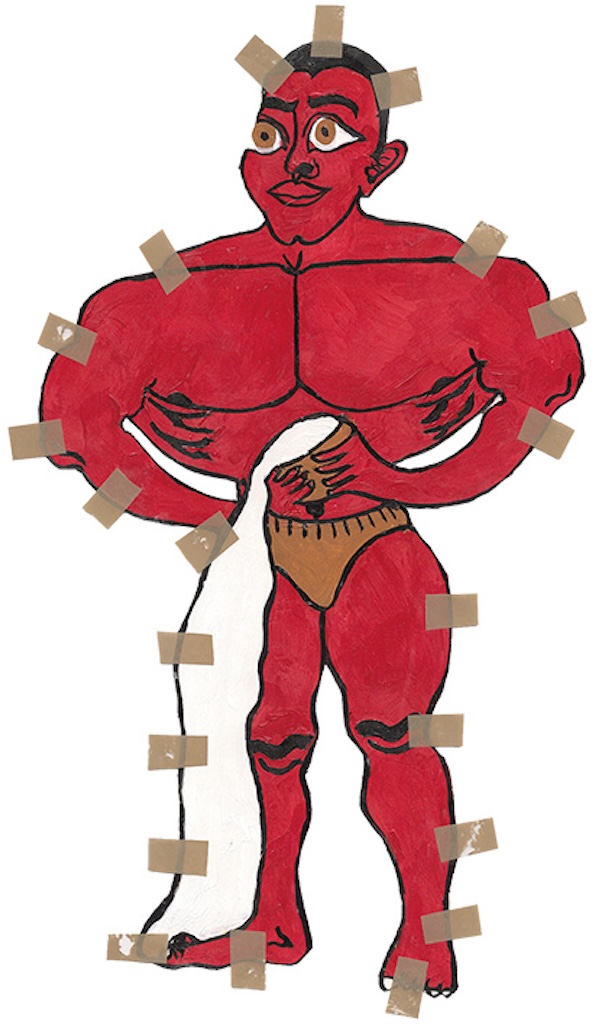
At the entrance, Natasja Mabesoone introduces softness as strategy. Glitter and craft disrupt hierarchies between the trivial and the serious. Across the fair, bodies appear unstable, dissolving and reforming, resisting fixed representation. Desire circulates without settling, never fully captured.
In the Horizons section, monumentality is undone. Large scale works no longer assert authority but question it. Inflatable structures and immersive installations destabilise classical symbols of power, turning the viewer into an active participant. Space becomes something negotiated rather than given.
This awareness extends throughout the fair. Installations such as États d’espace by Bertrand Cavalier place the body between openness and constraint, revealing how environments shape perception and behaviour.
Even the market logic shifts. Projects like Not Everything is for Sale foreground attachment over transaction, while the KickCancer Collection introduces anonymity and trust . Value becomes emotional, relational, unstable.
What emerges is not a clearly defined narrative, but a way of reading. In softness used as resistance, in unstable bodies, in structures that refuse permanence, in meanings that remain open.
Art Brussels 2026 does not declare itself. It asks to be read between the lines.
Like Brussels itself, the fair remains layered and unresolved. If you pay attention, something else appears. Not immediately visible, but present in the way everything moves.
KET Magazine is a community‑driven, non‑profit magazine run by volunteers based in Brussels. Get in touch to share your thoughts or tell us about your activities. You can also promote your events on our website or support our work with a donation. Contact us at Info@ket.brussels.
You may also like
-
Escher in Brussels: Who Said Reality Had to Behave?
Staircases refuse to play by the rules, birds become fish, and two hands draw each
-
Tels Quels Talent Show: Brussels’ Queer Voices Take the Mic
On Friday 16 October, the Tels Quels Talent Show brings live queer creativity to Les
-
CLELIA Turns Solitude Into a Shared Pop Therapy
The Brussels-based musician opens up to KET about mental health, queer visibility and her new
-
Inuit Art Takes Centre Stage at Brussels’ Art & History Museum
From 16 October 2026 to 18 April 2027, the Art & History Museum in Brussels
-
Stanislawa: Building a Queer Future from Belgium’s Clubbing Past
Between Brussels and Amsterdam, DJ and producer Stanislawa turns 1990s trance, sensual techno and progressive-house

